

B‑1 bombers withdrawn from RAF Fairford over security threat
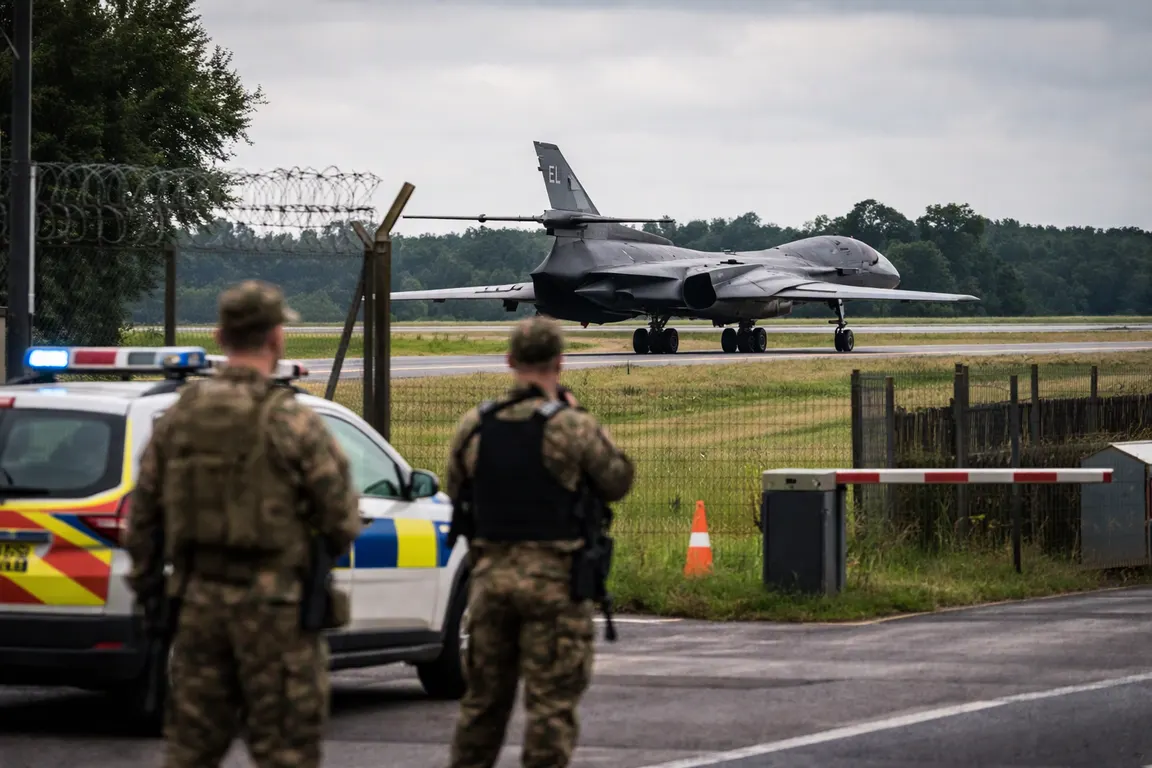
The United States confirmed Sunday that all B‑1 bombers RAF Fairford have been redeployed to U.S. bases after a security threat was reported near the airfield last week.
On 27 September a farmer near the village of Whelford alerted authorities to a convoy of vans and several masked men loitering close to the perimeter of the base. Gloucestershire police responded, evacuated 85 homes and secured the area. Counter‑terrorism officers later recovered containers of petrol but found no explosives. Six men, including a UK‑Iranian dual national, were arrested and released on bail.
The incident triggered an emergency briefing between British and American officials. Prime Minister Rishi Sunak said there were "strong indications" a foreign actor was involved, while U.S. officials described the situation as a "threat to base security" that required immediate action. The Iranian embassy in London denied any involvement.
RAF Fairford has been the only mainland UK runway used to launch B‑1‑based strikes into Iranian territory since March, when Britain granted U.S. permission for "specific defensive operations." The bombers provided long‑range strike capability that complemented carrier‑based aircraft. Their sudden removal reduces the immediate launch capacity from Europe and may force a temporary reliance on assets stationed elsewhere, such as in the Middle East or on naval vessels.
Local residents experienced a night‑time evacuation, road closures and an increased police presence. No injuries were reported, but the disruption heightened anxiety in a community accustomed to the base’s routine operations. Energy markets in the United Kingdom also reacted; gas and electricity futures rose in the days following the scare, with analysts citing the incident as one factor behind the volatility.
The broader strategic picture remains unsettled. The United Kingdom has not indicated whether it will seek alternative arrangements for future air operations, and the United States has not disclosed how many aircraft were redeployed or the timeline for any possible return. Both governments have pledged to maintain close coordination on security matters, but the episode underscores the fragility of the U.S.–UK partnership when local threats intersect with wider geopolitical rivalries.
A joint assessment by the Pentagon and the Ministry of Defence will determine whether RAF Fairford can be reopened for bomber missions and what additional security measures will be required. Until then, the incident serves as a reminder that even an isolated security scare can ripple through international military planning, energy markets and community safety.