

Austrian Airlines bomb threat forces A320 diversion to Sofia
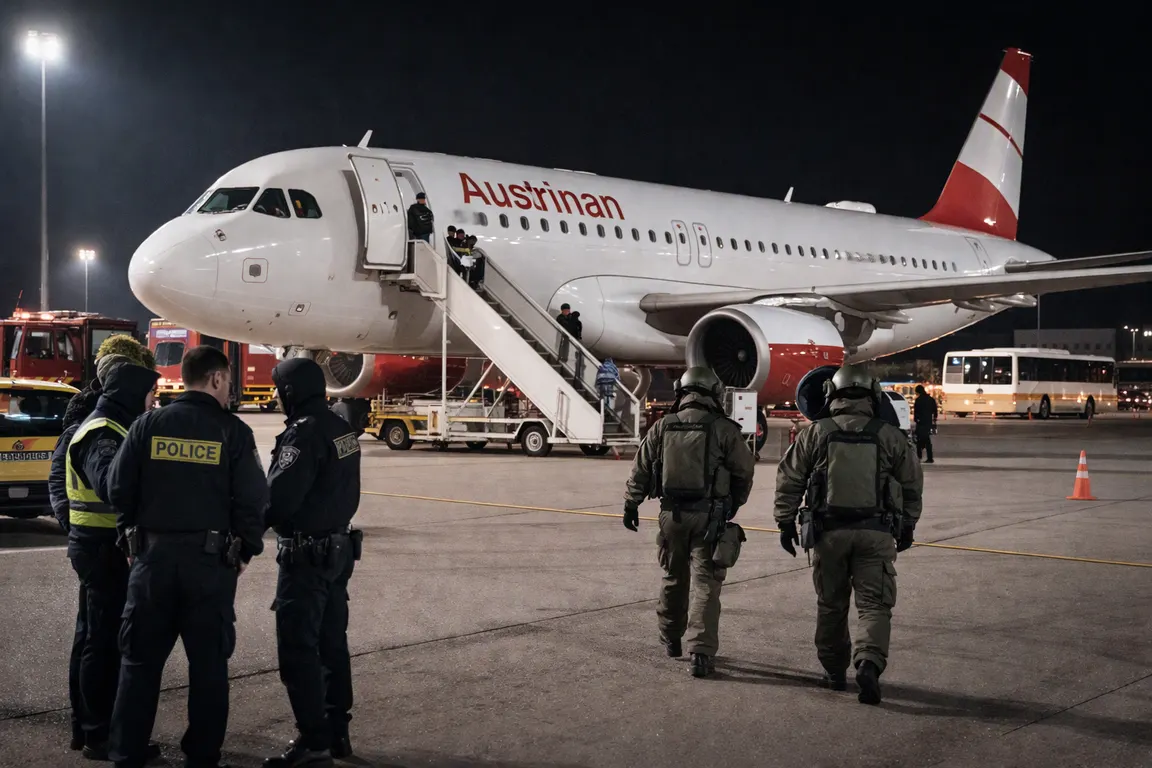
Austrian Airlines flight OS 82, an Airbus A320, declared an emergency and landed at Sofia Airport Sunday night after the crew received an Austrian Airlines bomb threat while flying over Romanian airspace.
The aircraft, carrying 51 passengers and six crew members, departed Tel Aviv for Vienna as scheduled. At about 21:10 GMT, a crew member reported the threat. The pilots activated the universal emergency squawk 7700, informed air‑traffic control and requested a diversion.
Bulgarian controllers, working with the military, cleared the flight to Sofia, the nearest suitable airport within the aircraft’s fuel range. A Bulgarian Air Force MiG‑29 was scrambled to escort the A320 to the runway. The plane touched down safely roughly 30 minutes after the threat was received.
All passengers and crew were evacuated without injury. Bulgarian emergency services conducted a security sweep of the aircraft while the airline arranged alternative flights for the travelers and offered compensation under EU passenger‑rights rules.
The Bulgarian transport ministry activated a crisis response team and opened an investigation into how the threat was communicated and whether any device was found on board. Austrian Airlines said the aircraft will undergo a thorough security inspection before returning to service.
The diversion occurs amid a series of security alerts affecting European routes this week, including a hijack warning on a Croatia‑Germany flight and a sabotage alert on a flydubai service from Tel Aviv. Those incidents have heightened vigilance across the region’s airspace and prompted airlines to review threat‑assessment procedures.
Aviation experts said the rapid coordination demonstrated the effectiveness of established protocols for in‑flight threats, but they stressed the need for ongoing training and clear communication channels. "When a credible threat is received, the priority is to get the aircraft to the safest possible location as quickly as possible," said a senior safety analyst who asked to remain anonymous.
Authorities have not disclosed how the threat reached the crew, and the investigation will determine whether it was a hoax or part of a broader security concern. The incident underscores the operational costs of such events: the airline faces expenses for the aircraft search, passenger re‑accommodation and potential compensation, while the Bulgarian military and airport authorities incurred costs for the fighter escort and additional resources.
Regulators and carriers are likely to examine diversion criteria, real‑time threat‑assessment tools and the frequency of military escort drills in light of the Sofia diversion. The investigation report, expected in the coming weeks, should provide recommendations for improving response protocols and reducing disruption for passengers.
For the 57 people on board, the episode meant an unexpected overnight delay, the inconvenience of rebooking and the psychological impact of a bomb threat—reminders that safety remains the top priority in commercial aviation.