

Arctic Security Pact Signed by U.S., Denmark and Greenland
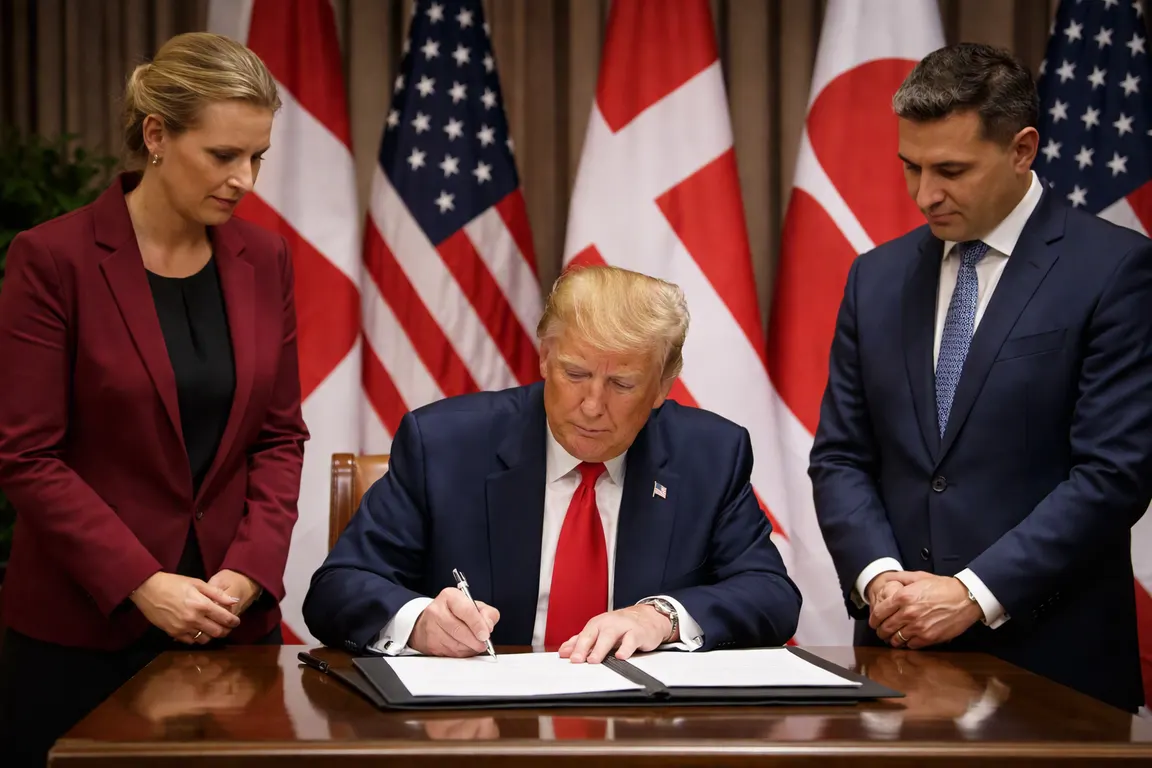
President Donald Trump met with Denmark’s prime minister and Greenland’s premier in New York during the United Nations General Assembly and signed an Arctic security pact covering the United States, Denmark and Greenland. The agreement was announced alongside Trump’s UN address and meetings with leaders from Ukraine and Gulf nations.
The deal comes as the Arctic draws heightened attention for its untapped resources, new shipping routes and increasing military activity. U.S. officials presented the pact as a step toward a more secure Greenland, saying coordinated defense measures will deter perceived threats in the high‑latitude region. RealClearPolitics, citing the announcement, described the arrangement as making Greenland “more secure.”
Greenlandic officials warned the agreement could deepen diplomatic rifts that will take years to repair. The island’s premier told reporters that past U.S. overtures have strained trust and that any security cooperation must be balanced against concerns about sovereignty, environmental stewardship and community impact. National Review echoed the criticism, suggesting the deal may damage the United States’ reputation as a reliable ally.
The precise terms of the security arrangement were not disclosed. No details on troop deployments, funding levels or operational responsibilities were released. That opacity fuels debate among analysts who question whether the pact delivers tangible security benefits or primarily serves political signaling.
Potential implications extend beyond diplomatic rhetoric. Increased U.S. military activity could affect Greenlandic towns that rely on fishing, tourism and emerging mining projects. Some residents see employment opportunities in infrastructure upgrades; others fear ecological disturbance in a fragile Arctic ecosystem. Environmental groups warned that heightened military presence could accelerate ice melt and disrupt wildlife migration, though no impact assessments have been published.
For NATO allies, the trilateral deal raises questions about coordination and trust. Denmark, a long‑standing NATO member, has historically balanced its Arctic interests with broader alliance commitments. Observers note that any perception of unilateral U.S. action in the region could prompt allies to reassess joint planning, especially as Russia expands its own Arctic presence.
The agreement arrives as the United States seeks to counter increased Russian and Chinese activity in the Arctic, including new icebreaker deployments and scientific stations with strategic dimensions. By establishing a formal security framework with Denmark and Greenland, Washington hopes to secure access to critical infrastructure such as airfields and ports that could support both military and commercial operations.
The signing follows months of media speculation and diplomatic overtures concerning U.S. interest in Greenland. The rapid progression from talks to a formal agreement underscores the administration’s willingness to act swiftly on Arctic policy, yet the immediate reactions from Greenlandic leaders highlight a disconnect between strategic intent and local acceptance.
As the UN General Assembly concludes, the next step will be implementation, which remains undefined. U.S. officials said follow‑up discussions with Danish and Greenlandic authorities will flesh out operational details, but no timeline has been set. Future sessions of UN climate and security committees are expected to revisit Arctic governance, potentially testing the durability of the new pact. How the arrangement will be operationalized without eroding Greenland’s autonomy or straining NATO relationships will shape the Arctic policy debate in the months ahead.