

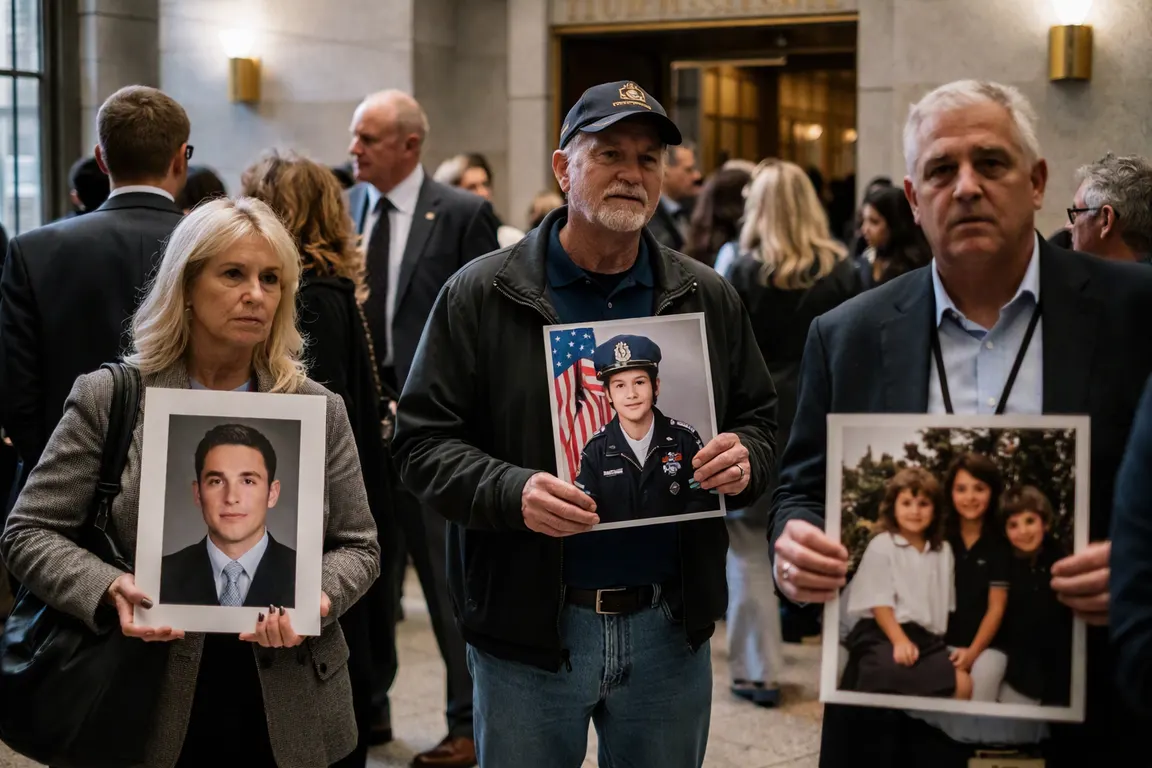
Families of the September 11 attacks gathered in a Manhattan federal appeals courtroom on Wednesday to press a civil claim that Saudi Arabia should be held liable for allegedly financing the hijackers. A three‑judge panel of the U.S. Court of Appeals for the Second Circuit heard oral arguments from the plaintiffs and from Saudi government counsel and offered no indication of how it will rule.
The case tests the limits of the Foreign Sovereign Immunities Act (FSIA), which generally shields foreign states from lawsuits in U.S. courts unless they waive immunity. If the panel allows the suit to proceed, victims’ families could pursue damages against a foreign government for the first time in a post‑9/11 terrorism case. A dismissal would reaffirm the long‑standing bar that protects foreign states unless a specific exception applies.
The plaintiffs, representing dozens of 9/11 victims, argue that Saudi officials provided financial support and logistical assistance to several hijackers in the months before the attacks. Their claim rests on a 2016 district‑court finding that Saudi officials had “knowledge of the attacks” and on documents they say link Saudi charities to the hijackers’ funding network. Saudi officials have denied any involvement, calling the allegations unfounded and urging the court to apply sovereign immunity.
At issue is whether the plaintiffs can fit the case within the FSIA’s “state‑sponsored terrorism” exception. That exception, enacted in 1996, applies only when a foreign state is formally designated as a sponsor of terrorism—a label Saudi Arabia does not carry. The plaintiffs contend the exception should be read more broadly to include states that materially support attacks even without a formal designation. Saudi counsel warns that expanding the exception would undermine decades of international comity and could invite reciprocal lawsuits against the United States abroad.
The hearing follows a series of legal actions that began shortly after the attacks, when families filed a lawsuit in New York federal court alleging Saudi officials helped fund the plot. The district court dismissed the case in 2014 on sovereign‑immunity grounds, a decision the families appealed. The Second Circuit’s oral arguments mark the first appellate review of the 2016 district‑court finding that Saudi officials had “knowledge” of the attacks.
Beyond the courtroom, the outcome could affect U.S.–Saudi relations. A ruling that permits the suit to move forward may pressure Saudi Arabia to negotiate a settlement or to tighten oversight of its charitable networks. Conversely, a dismissal would give Saudi officials a point of reference that U.S. courts respect sovereign‑immunity protections, potentially smoothing diplomatic negotiations on trade and security.
The judges have not set a timetable for their opinion, but standard appellate practice suggests a written decision could arrive later this year. Both sides say they are prepared to appeal further, meaning the legal battle could extend for years. For the families gathered in the courtroom, the pending ruling represents the most immediate chance for a formal acknowledgment of responsibility and, possibly, compensation for their loss.