

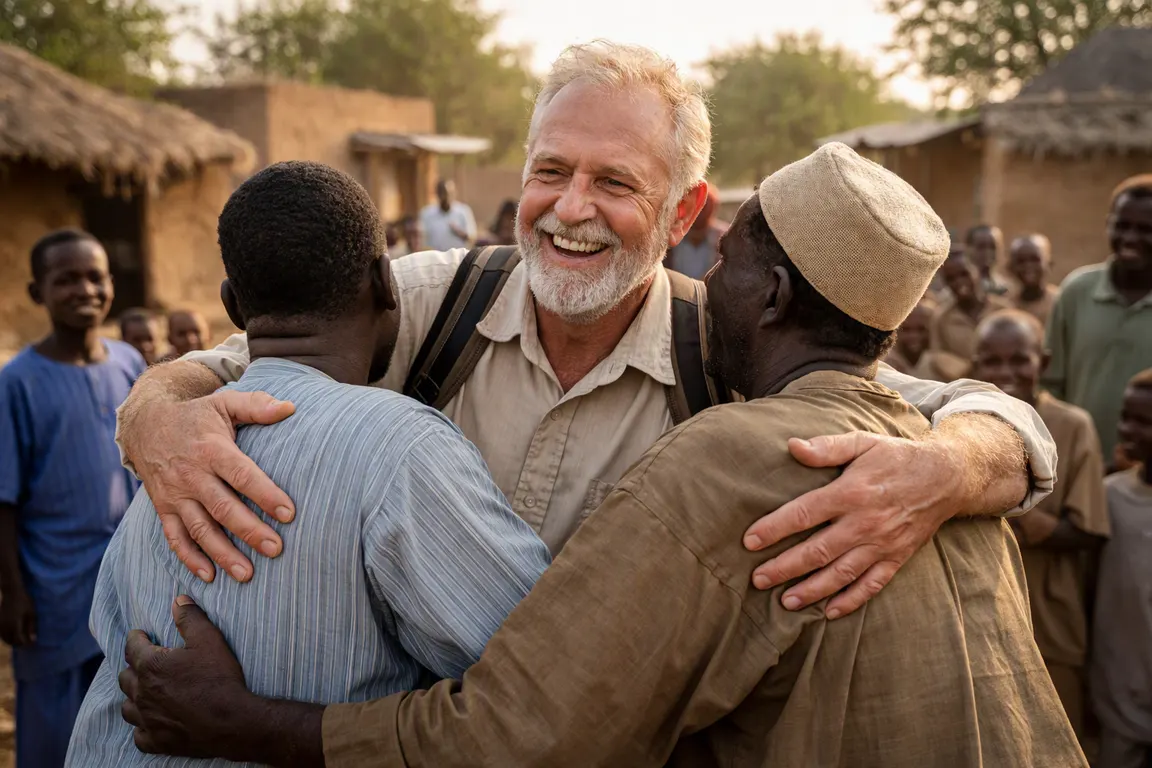
An American missionary, Kevin Rideout, has been released after nine months of captivity in Niger. His release was announced by his organization, Serving in Mission International, and raises questions about the security of humanitarian workers in high-risk regions. Rideout was abducted by unknown assailants outside his home in Niamey, the capital of Niger, in October. He was held in captivity for nine months before being released and is now in the care of US officials.
The release of Kevin Rideout highlights the complexities and risks of humanitarian work in regions with high security concerns. The identity of the group responsible for his abduction is still unknown, with no armed group claiming responsibility. Rideout is reported to be in good health, according to his organization. The circumstances of his abduction and release remain unclear, and the US government and humanitarian organizations will likely re-examine their security protocols in Niger and other high-risk countries to prevent similar incidents in the future.
The abduction and release of Kevin Rideout have implications for the security of humanitarian workers in Niger and similar regions, where the presence of armed groups poses a significant threat. Humanitarian workers often face risks in these regions, and the incident raises questions about the measures that can be taken to ensure their safety. As Rideout reunites with his family, the incident serves as a reminder of the challenges faced by humanitarian workers in high-risk areas.
The US government and humanitarian organizations will need to assess their security protocols and consider measures to mitigate the risks faced by humanitarian workers in Niger and other high-risk countries. This may involve reviewing their presence in these regions, assessing the risks, and implementing measures to ensure the safety of their personnel. The release of Kevin Rideout is a positive development, but it also highlights the need for continued vigilance and efforts to ensure the safety of humanitarian workers in high-risk regions.
The incident also affects the missionary community and highlights the risks faced by humanitarian workers in regions with high security concerns. The release of Kevin Rideout is a welcome development, but it also raises questions about the long-term implications for humanitarian work in Niger and similar regions. As the situation continues to unfold, it is likely that the US government and humanitarian organizations will face increased scrutiny over their security protocols and measures to protect humanitarian workers in high-risk areas.