

American detainee released in Russia after Putin-Witkoff
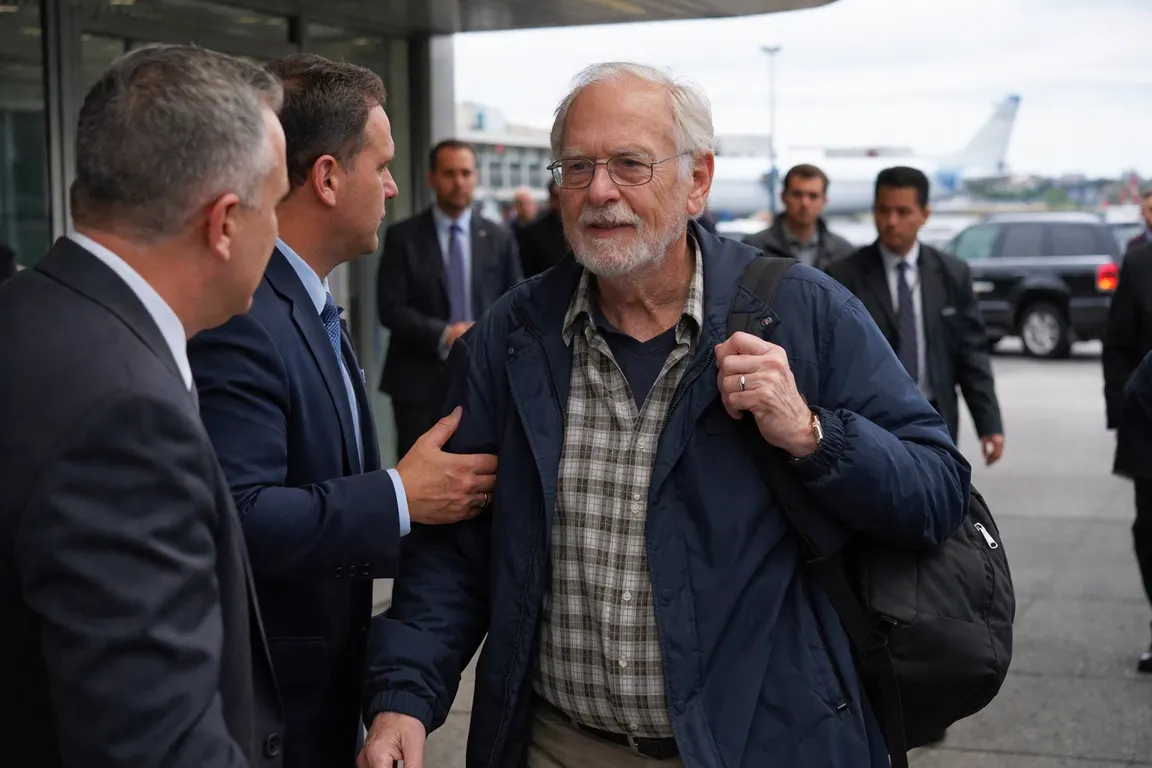
Stephen Hubbard, a 74‑year‑old Michigan resident, became the American detainee released Russia after more than two years in a Russian prison when he walked out of St. Petersburg’s Pulkovo Airport on Wednesday. His freedom was announced by President Vladimir Putin during a meeting with U.S. envoy Steve Witkoff, a Trump‑appointed diplomat, marking the first high‑profile American release by Moscow since the war in Ukraine began.
Hubbard was arrested in 2022 on undisclosed charges. A closed‑court trial in 2024 sentenced him to nearly seven years, according to the New York Post. Russian state media confirmed his transfer to the airport after the Putin‑Witkoff meeting but offered no explanation for the original detention or the decision to free him.
The timing aligns with a series of diplomatic overtures between Washington and Moscow. NBC News described the meeting as a sign of “warmer ties,” while the BBC reported only that Putin announced the American’s freedom. Analysts note that Russia has previously used the release of foreign nationals as bargaining chips in broader negotiations, a pattern that could reappear as both sides explore de‑escalation.
For Hubbard’s family, the news ends a painful waiting period. His daughter in Michigan said the release “means the world to us” and thanked the diplomatic effort that secured his freedom. The broader community of Americans with detained relatives sees the outcome as a potential precedent, though experts caution that each case remains subject to its own legal and political calculus.
In Washington, the episode adds a new variable to discussions about prisoner‑of‑war exchanges and the status of detained U.S. citizens in Russia. No formal policy shift has been announced, but the release may encourage officials to pursue more direct engagement with Moscow on humanitarian issues tied to the conflict. Critics warn that any perceived concession could embolden Russia; supporters argue that incremental goodwill gestures are a pragmatic path toward reducing the human toll of the war.
U.S. officials have not commented publicly, and no follow‑up negotiations have been reported. Observers will watch whether additional detainees are released in the coming weeks and whether the Putin‑Witkoff meeting yields concrete proposals on prisoner swaps or a broader de‑escalation framework. Until then, Hubbard’s freedom remains a singular, yet potentially consequential, development in a fraught diplomatic landscape.