

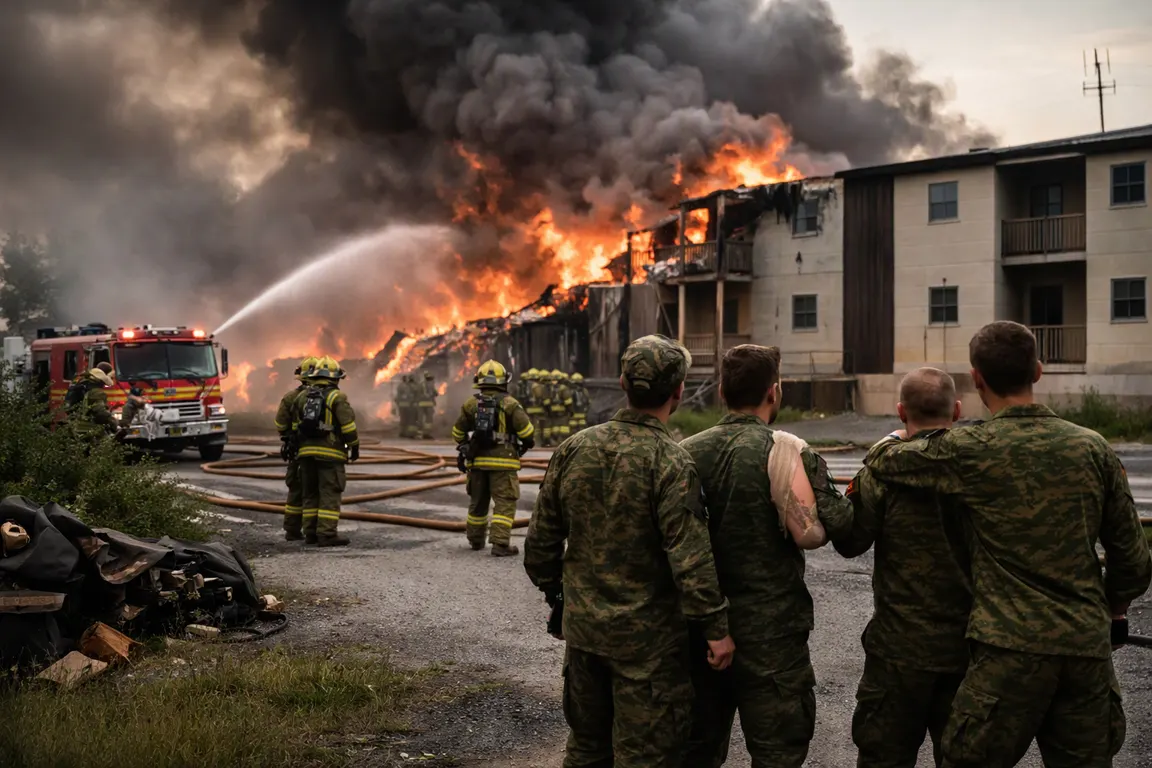
A fast‑moving Alberta military base fire ripped through a Canadian Forces training facility in Alberta on Sunday, killing four service members and injuring dozens more. Emergency responders described the blaze as one of the most severe fire conditions they have faced.
The incident is the deadliest peacetime tragedy for Canada’s military on domestic soil. While the exact cause remains under investigation, officials said a dry grass field ignited and quickly spread into the training grounds. Military and civilian fire crews battled the flames through the night amid extreme heat, wind and low humidity.
Prime Minister Justin Trudeau called the loss “one of the worst peacetime tragedies for the Canadian military,” offered condolences to families and pledged a review of fire‑prevention measures at military installations, without announcing specific policy changes.
The four service members who died were part of a training unit stationed at the base. Hospital officials confirmed that dozens of other personnel suffered serious burns, smoke‑inhalation injuries and trauma from the rapid evacuation. Precise injury numbers have not been released.
Local emergency services were stretched thin as they coordinated the response, highlighting the limited capacity of regional resources during extreme fire events. Residents of nearby communities, already coping with a season of heightened wildfire risk, voiced concerns about air quality and the potential for the fire to spread beyond the base.
Canadian Forces officials have launched an internal assessment of the base’s fire‑safety infrastructure. Senior officers said the review will examine vegetation management, fire‑prevention protocols and evacuation plans, and will consider how rising temperatures and prolonged drought increase the likelihood of similar incidents.
The tragedy raises broader questions about the readiness of Canada’s defence establishments. If training facilities must suspend operations for safety upgrades, the operational tempo of units at the base could be affected, with downstream implications for national defence commitments.
Families of the fallen and injured are receiving support through military welfare programs, and community groups have organized assistance. Long‑term medical and psychological care for survivors remains a concern.
As investigations continue, officials and stakeholders will watch to see whether the incident prompts concrete changes to fire‑safety policies across Canadian military sites. The fire underscores the growing risk that climate‑driven wildfires pose to critical infrastructure and the need for robust prevention and response measures.