

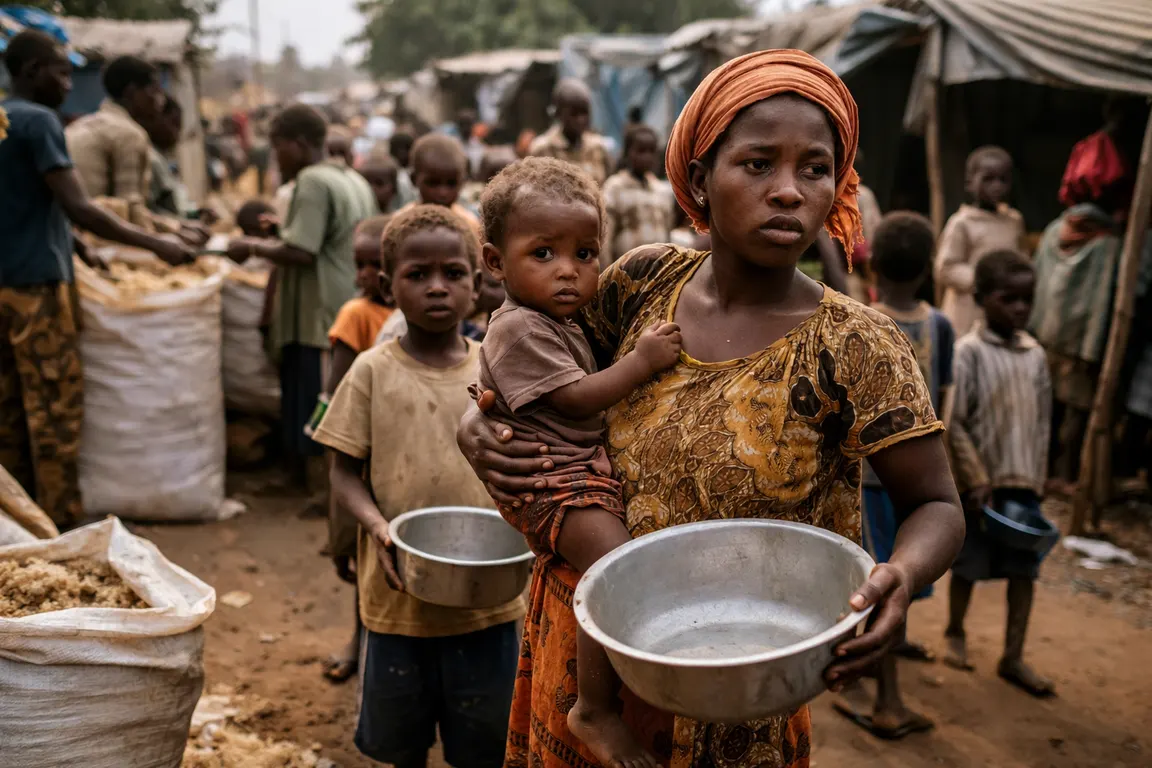
Africa has surpassed Asia as the continent with the largest number of people facing hunger, with 309 million people affected, according to a UN report. This shift is a significant concern, as it affects not only the individuals but also the overall economy and community, with millions of people unable to afford a healthy diet.
Global hunger has declined for the third year in a row in 2025, but the proportion of people facing hunger in Africa has been on the rise since 2017. The report notes that progress in reducing hunger has been uneven, and 2.69 billion people cannot afford a healthy diet. In Africa, 66.6% of the population cannot afford a healthy diet, which has significant implications for food security and economic development.
The UN report was put together by the FAO and four other UN agencies, and it highlights the need for urgent action to address the issue of hunger and food insecurity in Africa and globally. The impact of rising energy and fertilizer costs due to the war is limited for the moment, but the crisis is not yet over. Millions of people are affected by hunger, particularly in Africa, and the inability to afford a healthy diet affects not only individuals but also the overall economy and community.
The shift in hunger from Asia to Africa has significant implications for global food security, and it is essential to address the issue of hunger and food insecurity to achieve zero hunger by 2030. To improve food security and economic development in the region, steps can be taken to increase investment in agriculture and social protection programs to support vulnerable populations and improve access to healthy and nutritious food. By addressing the main factors contributing to the rise of hunger in Africa, it is possible to make progress towards a more food-secure future.