

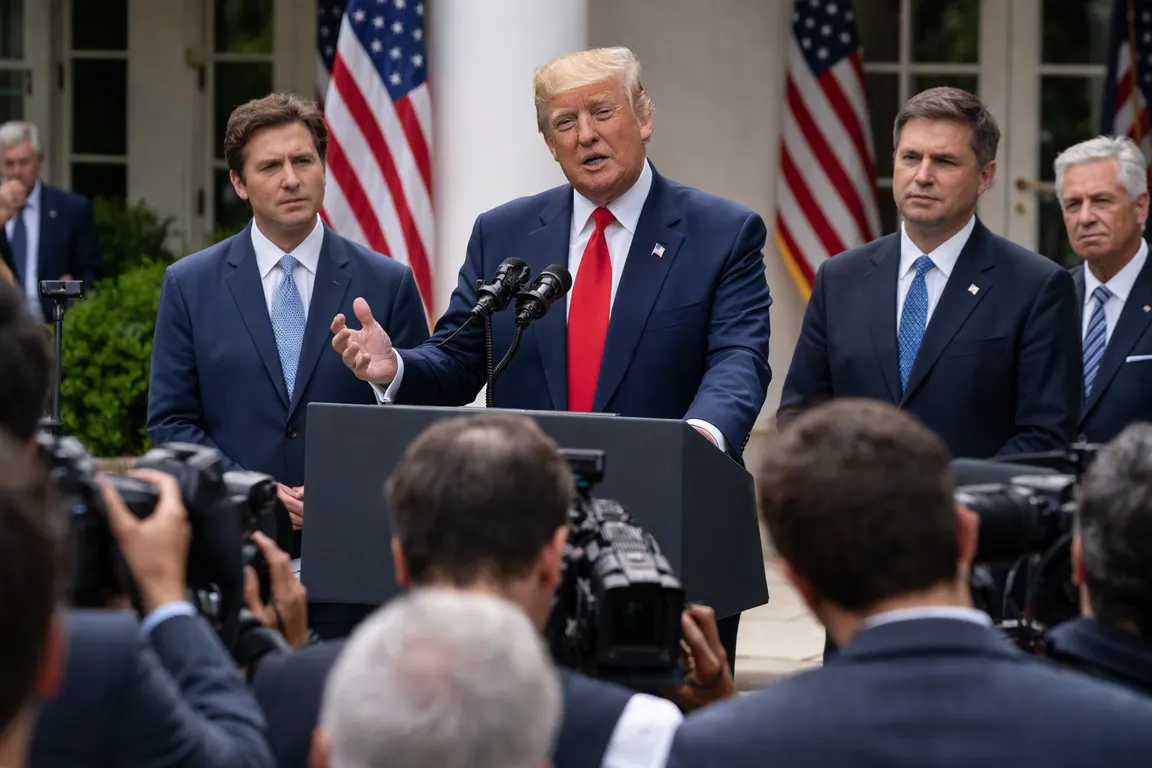
President Donald Trump announced Sunday that Director of National Intelligence Jay Clayton will head a newly created federal AI task force, the Super Intelligence Force. The group will coordinate government actions, engage industry stakeholders and protect public interests as artificial‑intelligence systems become embedded in critical infrastructure, commerce and daily life.
The force marks the administration’s first high‑level, cross‑agency effort to shape U.S. AI policy and safety. Until now, the government has relied on voluntary, industry‑led accords. By bringing together officials from multiple agencies, the White House signals a shift toward an organized response that could affect regulation, consumer protection and the nation’s competitive position in the emerging AI economy.
Members disclosed in the announcement include Federal Trade Commission Chair Andrew Ferguson, Pentagon chief technology officer Emil Michael and Office of Personnel Management director Scott Kupor. All will report directly to President Trump and his chief of staff, Susie Wiles. Clayton, a former Securities and Exchange Commission chair and Manhattan federal prosecutor, brings experience in regulatory oversight and national‑security matters.
The announcement followed a White House meeting a week earlier with CEOs of leading AI companies, during which the firms signed a voluntary self‑policing accord. Officials said the Super Intelligence Force will help the United States “continue to lead the world in super intelligence,” a goal likened to the transformative impact of the Industrial Revolution and the Internet. No budget, legislative authority or specific regulatory actions have been disclosed, leaving the scope of the force’s power uncertain.
Stakeholders across the economy are watching closely. For consumers, the task force could shape privacy safeguards, algorithmic‑bias mitigation and safety standards. Operators of energy grids, transportation networks and other critical systems may see new guidelines that affect how AI tools are deployed. AI firms could face additional compliance requirements, but may also benefit from clearer federal direction that reduces regulatory uncertainty.
The Super Intelligence Force is slated to begin work immediately, though a timeline for its recommendations has not been provided. Questions remain about the resources it will receive and the legal mechanisms it can use to enforce any future standards. The next public briefing from the task force is expected to outline short‑term priorities, setting the stage for what could become the United States’ primary framework for governing advanced artificial intelligence.