

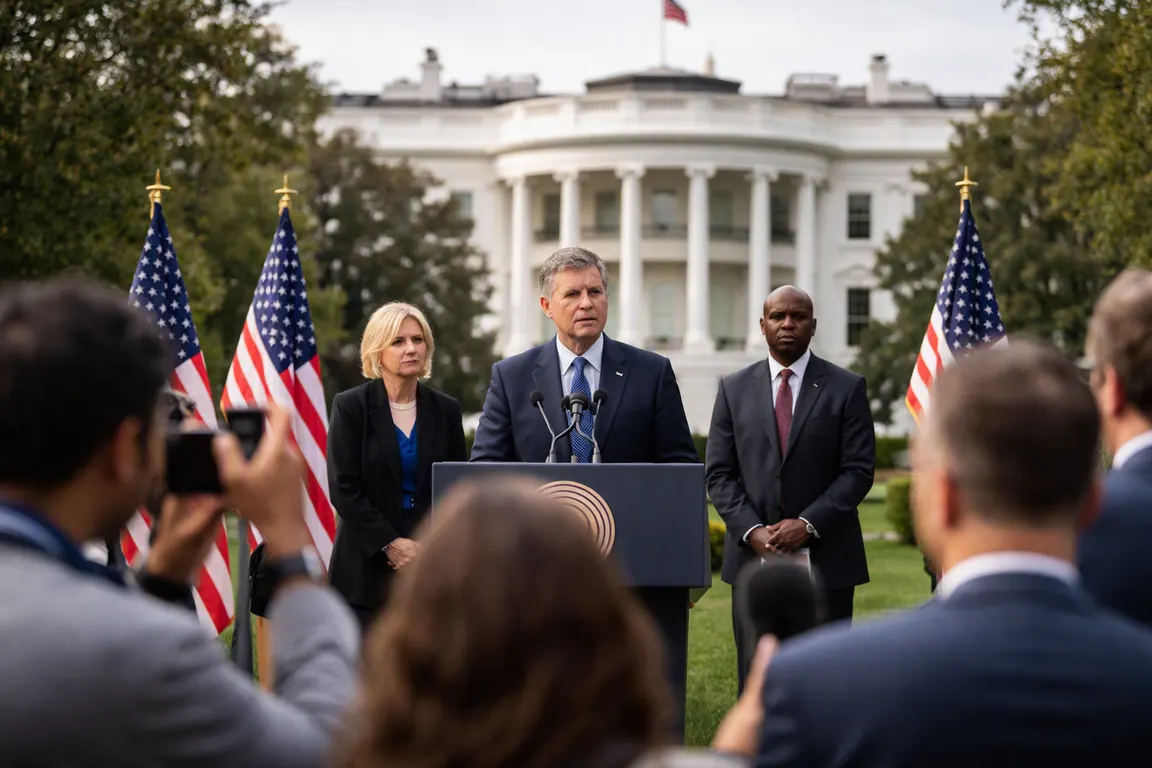
The White House announced on Saturday that it will establish a "White House AI Force" within the executive branch and appoint a senior official, often called an AI czar, to oversee the rapidly evolving artificial‑intelligence sector.
The decision comes as industry leaders, consumer groups and academics warn that unchecked AI development poses risks to data privacy, misinformation and public safety. By creating a dedicated federal unit, the administration signals a shift from its earlier reluctance to regulate AI toward a more coordinated oversight approach.
The AI Force is described as analogous to the Space Force, suggesting a centralized structure that could span multiple agencies, including Defense, Commerce and Energy. No budget, staffing levels or statutory authority have been disclosed, and the plan was presented without accompanying legislation.
President Donald Trump, who has previously dismissed calls to slow AI development as a "hoax," said the new entity will help the government keep pace with the technology. The contrast between his earlier rhetoric and the current move underscores the growing pressure on policymakers to address AI risks.
Industry executives have recently highlighted gaps in testing, transparency and accountability. Existing federal efforts, such as the National AI Initiative Office and agency advisory committees, focus on research coordination and standards. How the AI Force will differ—whether it will have enforcement powers or serve mainly as an advisory body—remains unclear.
The identity of the appointed AI czar has not been released, nor has the role’s authority been defined. Analysts note that a single point person could streamline coordination across agencies, but without statutory backing the czar’s ability to compel action is uncertain.
The announcement could have immediate implications for the technology sector. Companies may need to adjust research priorities, conduct additional safety testing or prepare for future compliance reporting. Consumers could see new regulations aimed at protecting privacy and curbing AI‑generated misinformation. Federal agencies are likely to allocate resources to support the force, affecting budget planning for the upcoming fiscal year.
Key questions remain unanswered. Without disclosed funding or staffing, the AI Force’s operational capacity is uncertain. Lawmakers have not been presented with a legislative proposal, leaving the entity’s legal standing ambiguous. The White House is expected to release a detailed charter, budget request and inter‑agency coordination plan in the coming weeks.
Congressional committees are likely to hold briefings where lawmakers will seek clarity on the force’s powers, oversight mechanisms and relationship to existing AI governance structures. Until those details emerge, the AI Force remains a high‑profile proposal that reflects growing public pressure to address the risks of rapidly evolving artificial‑intelligence technology.