

UN and Red Cross urge restrictions on lethal autonomous
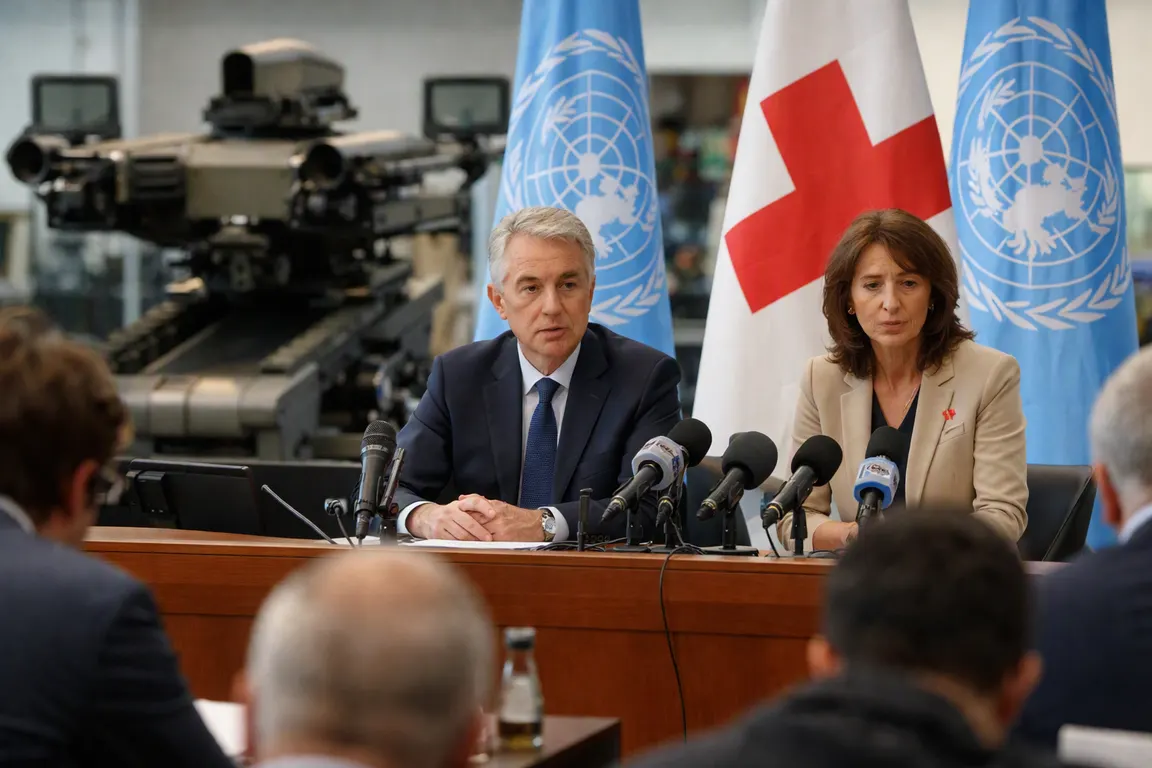
The United Nations and the International Committee of the Red Cross issued a joint statement Tuesday urging governments to adopt bans or restrictions on lethal autonomous weapons (LAWs). The appeal warns that the world is "dangerously close" to allowing machines to select human targets without meaningful human oversight.
The statement was read by UN spokesperson Alessandra Vellucci as the Convention on Conventional Weapons (CCW) prepares for a high‑level conference in Geneva in November 2024. Delegates are expected to consider amendments that could tighten controls on autonomous weapon systems, which the UN and Red Cross say are developing faster than existing regulatory frameworks can address.
While no fully autonomous weapon has been confirmed in combat, unverified reports of AI‑guided drones have surfaced in the wars in Ukraine, the Middle East and Sudan. Engineers and scientists working on the technology have publicly expressed concern, and the joint declaration urges governments to act before such systems become commonplace.
The appeal builds on calls that began in 2021, when the UN and the ICRC first urged limits on autonomous weapons. Diplomatic discussions since then have produced no binding outcomes. The UN has stopped short of demanding a total ban, while advocacy groups continue to press for an outright prohibition.
"Human beings must retain meaningful control over the use of force," UN Secretary‑General António Guterres said in the statement. Red Cross President Mirjana Spoljaric added that the moral red line is at risk of being crossed. Both leaders said rapid AI‑driven weapon development threatens established ethical and legal norms of warfare.
If lethal autonomous systems are fielded, the impact on civilian populations could be significant. Automated targeting raises the risk of indiscriminate killing, especially in densely populated areas where distinguishing combatants from non‑combatants is already difficult. Legal scholars argue that existing international humanitarian law may be ill‑suited to address accountability when a machine makes a kill decision, prompting calls for new mechanisms within the CCW framework.
Opponents of a blanket ban argue that autonomous functions can improve precision and reduce soldier casualties. Proponents counter that delegating lethal authority to algorithms undermines accountability and accelerates the pace of conflict. The joint UN‑ICRC statement does not endorse a universal prohibition but urges states to implement bans or restrictions wherever feasible, leaving room for nuanced national policies.
The defense industry is watching the developments closely. Companies investing in AI‑driven weapons could face tighter export controls and compliance requirements if the Geneva conference adopts stronger CCW provisions. Such regulatory shifts may redirect research and development toward systems that retain human oversight, potentially slowing the pace of fully autonomous weapon development.
As the November conference approaches, the UN and Red Cross will monitor national positions and the emerging technical landscape. The statement concludes with a call for immediate action, noting that the window to shape international rules before autonomous weapons become entrenched is narrowing. The outcome of the Geneva talks will determine whether the international community can establish enforceable limits or whether the technology will continue to evolve without clear legal constraints.