

Starlink speed limit hampers Ukraine frontline
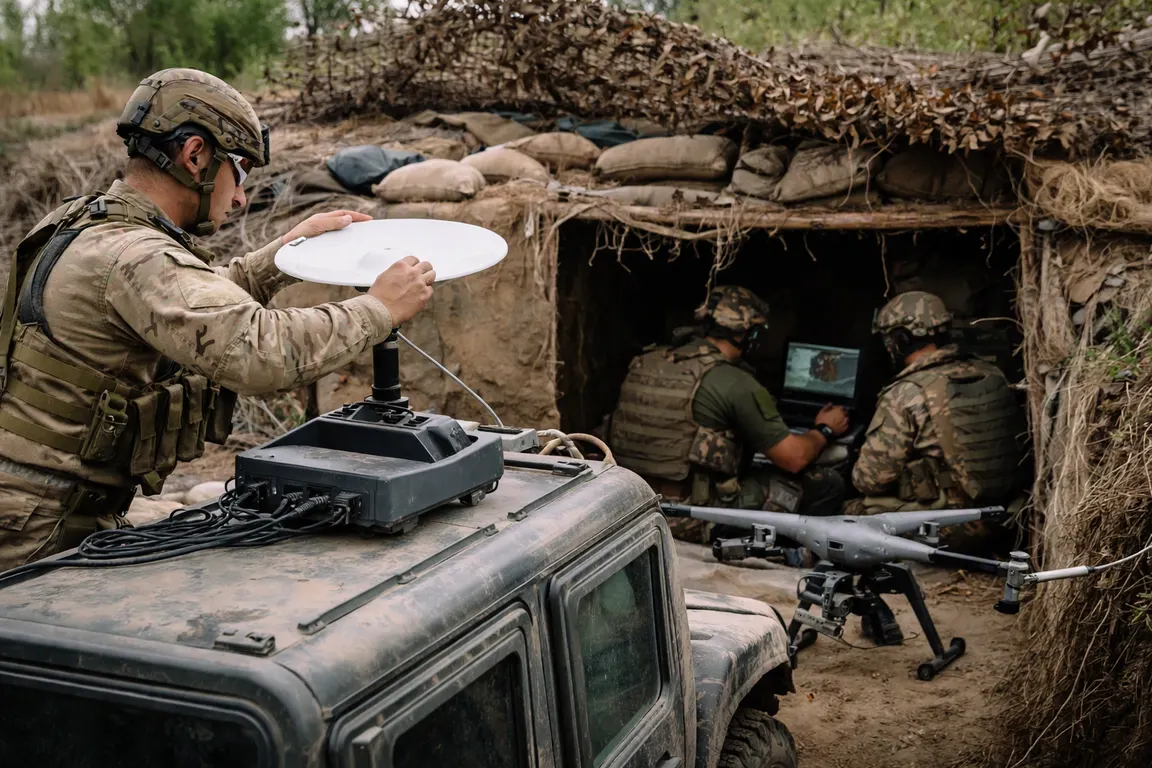
SpaceX imposed a 100 mph (160 km/h) speed limit on Starlink terminals using its StarShield "military service package" on the night of Oct. 10‑11, Ukrainian adviser Serhii "Flash" Beskrestnov confirmed. The restriction applies only to terminals in motion and immediately halted drone‑control missions for Ukraine’s 7th Air Assault Corps in the Huliaipole sector, forcing commanders to curtail real‑time missile‑intercept operations.
The move came as Russian drone and ballistic‑missile attacks intensified and U.S. officials pressed Kyiv to curb refinery strikes that have pushed global diesel prices higher. By throttling mobile terminals, SpaceX created a new bottleneck for Ukraine’s digital battlefield, threatening the flow of intelligence and coordination that modern artillery and air‑defence units depend on.
SpaceX’s Acceptable Use Policy bars remote control of aerial drones and most military activity unless a specific contract permits it. The company offered no detailed public explanation beyond citing the policy, leaving analysts to speculate about the link to recent U.S. pressure on Kyiv. Polish foreign minister Radoslaw Sikorski warned Musk, saying, "We are watching you," underscoring the diplomatic friction the cap has generated.
Ukrainian forces rely on mobile Starlink units to stream video from reconnaissance drones, relay targeting data to artillery batteries, and maintain secure voice links across rapidly shifting frontlines. When the speed cap took effect, the 7th Air Assault Corps reported cancelled drone sorties in Huliaipole, citing loss of reliable connectivity. Unit commanders said the limitation reduced the ability of drones to hover over targets long enough to transmit high‑resolution imagery, forcing pilots to abort missions or revert to slower, less secure communication channels.
The restriction does not affect stationary terminals, which continue to provide broadband to command posts and civilian shelters. However, the loss of mobile capacity narrows the tactical envelope for units that must relocate frequently to avoid artillery fire. Ukrainian officials described the cap as a "sudden, harmful restriction" that undermines months of investment in a satellite‑based communications network that has become a lifeline for both military and civilian users.
Western outlets, including NBC News and the Financial Times, highlighted the operational impact and raised questions about the legal basis for SpaceX’s action. While the company points to its contractual terms and the Acceptable Use Policy, Ukrainian representatives argue that the StarShield package was sold as a dedicated military service, implying an expectation of uninterrupted performance.
For now, Ukrainian commanders are improvising. Some units are shifting to legacy satellite links supplied by allied nations, while others are re‑configuring ground‑based radio networks to compensate for reduced bandwidth. The Ministry of Defence has not announced a formal request for alternative providers, but officials say discussions with NATO partners are under way.
SpaceX has not indicated whether the speed cap is temporary or will become a permanent feature of its military service contracts. Kyiv’s military leadership will need to decide whether to seek legal recourse, renegotiate terms, or diversify its communications portfolio. As the war’s digital front evolves, the balance between corporate policy and battlefield necessity will shape Ukraine’s immediate defence posture and the broader conversation about private‑sector influence in modern conflicts.