

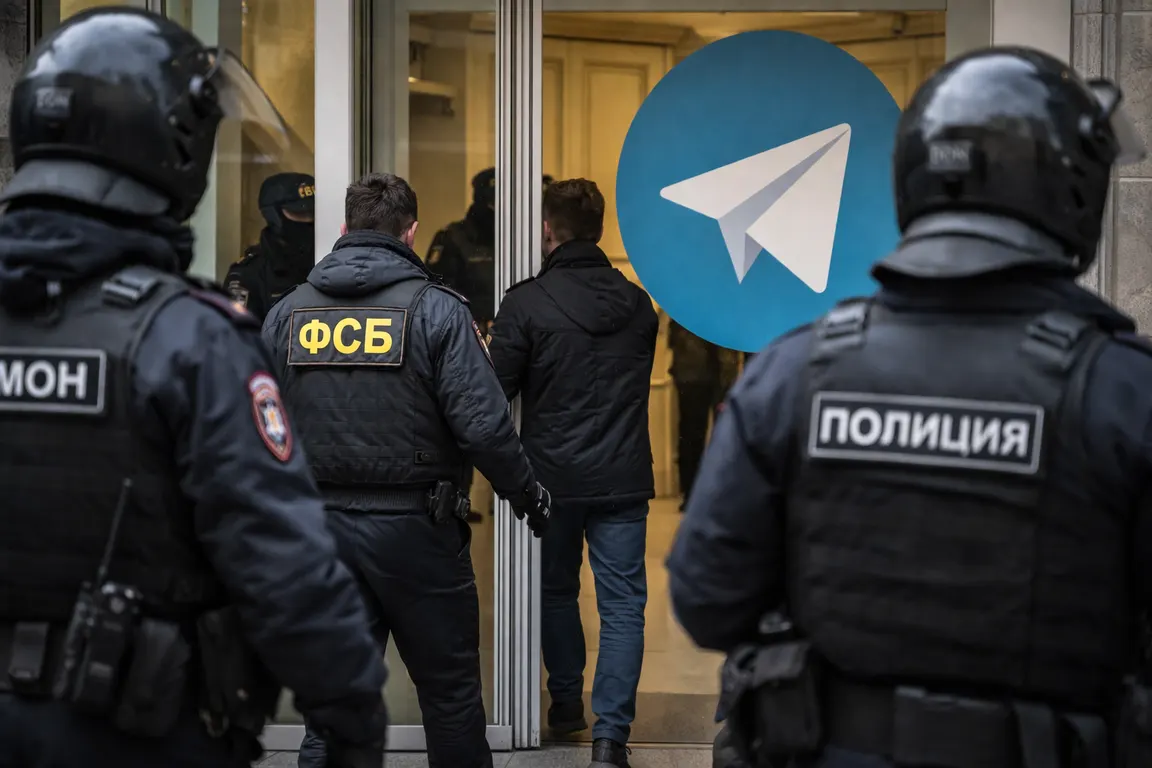
Russian authorities have charged Telegram with aiding terrorism, a move that escalates the government's crackdown on the popular messaging app. The charges relate to Telegram's alleged failure to remove content used by Ukrainian intelligence and 'terrorist' groups to plan attacks. This development matters now because it represents a significant escalation in the Russian government's efforts to restrict the app, which has been ongoing since 2018.
The restrictions on Telegram have affected millions of users in Russia, who rely on the app for communication and information. The Russian government's actions have raised concerns about the safety and security of Telegram users, particularly in Russia and Ukraine. Russia has been promoting a rival messaging app called MAX, which has raised concerns about surveillance and data privacy.
The conflict in Ukraine has contributed to the tensions between Russia and Telegram, with some sources suggesting that the Russian government is using the app as a pretext to suppress dissent and opposition. Others argue that the government is genuinely concerned about national security. The implications of the charges are uncertain, but they could have significant consequences for the future of online freedom in Russia.
The Paris prosecutor's office has confirmed that Telegram's founder is still under formal investigation in France for alleged criminal activities linked to the app. As the situation unfolds, one key question is what the Russian government's next step will be in its crackdown on Telegram. The answer to this question will have important implications for the digital economy and online freedom, not just in Russia, but around the world.
The Russian government's actions against Telegram are part of a broader effort to regulate online activity and suppress dissent. The government has been increasing its control over the internet in recent years, and the crackdown on Telegram is seen as a significant escalation of this effort. The outcome of this situation will have important implications for the future of online freedom in Russia and beyond.