

Pope Francis II urges AI ethics in France visit
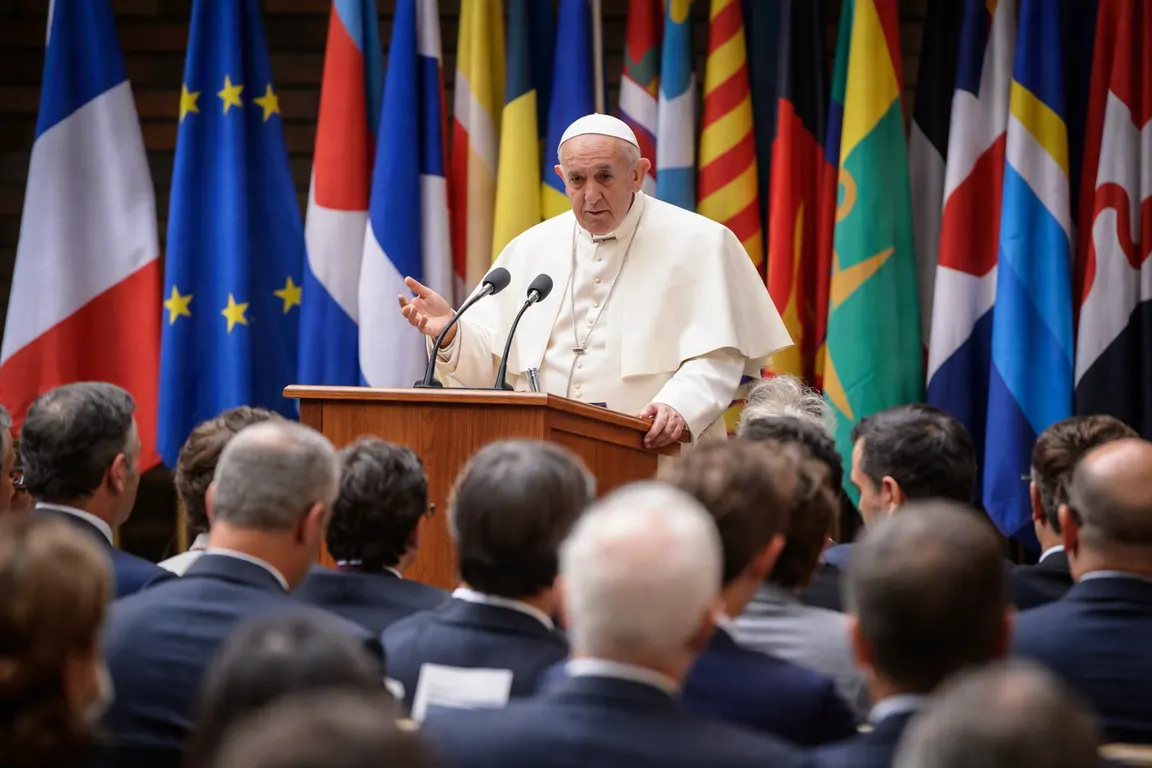
Paris – Pope Francis II arrived at the Élysée Palace on Monday, marking the first papal state visit to France since 2005. In a speech to UNESCO, the pontiff framed AI ethics as a human‑dignity issue, urging developers and regulators to embed transparency, accountability and respect for fundamental rights in every system.
The visit comes as France pushes ahead with a controversial assisted‑dying bill and continues investigations into clerical‑abuse scandals. By speaking at UNESCO and meeting President Emmanuel Macron, Pope Francis II is positioning the Catholic Church as a moral stakeholder in policy debates that affect millions of Europeans and the continent’s tech sector.
The Vatican press office confirmed a three‑day itinerary that includes a walk through Paris, a tour of the restored Notre‑Dame Cathedral and meetings with French officials, civil‑society leaders and diplomatic representatives. French media note a recent uptick in young Catholics, a trend linked to priests using TikTok and QR codes at services, though exact numbers are unavailable.
In his UNESCO address, the Pope outlined three ethical pillars for AI: the primacy of the human person, inclusive governance and the need to prevent bias that deepens inequality. He referenced the Vatican’s 2023 “AI for Good” document as a framework but offered no specific regulatory proposals.
The Guardian called the speech a “landmark” moment for Vatican engagement with emerging technology, while Al Jazeera highlighted the timing amid France’s assisted‑dying legislation and ongoing abuse investigations. French officials have not said how the Pope’s remarks will influence national or EU policy, but the Vatican’s moral authority could weigh on the EU’s pending AI Act, where lawmakers are balancing innovation with safeguards against surveillance, deep‑fakes and algorithmic discrimination.
Advocacy groups on both sides of the assisted‑dying debate said they will cite the Pope’s comments in upcoming hearings, arguing that the Church’s stance on the sanctity of life adds a weighty ethical dimension to legislative deliberations.
The visit also shines a light on internal Church reforms. Recent abuse investigations have prompted stricter reporting protocols, and the Pope’s presence in Paris is expected to reinforce those efforts. While the reported surge in converts remains anecdotal, it reflects a broader attempt by the Church to reconnect with younger Europeans through digital outreach, a strategy that could reshape its demographic profile if sustained.
As the Pope moves from the UNESCO podium to a stroll along the Seine and a candlelit service at Notre‑Dame, policymakers will watch for concrete proposals. The next step appears to be the EU’s AI Act, where legislators may reference the Vatican’s ethical framework alongside civil‑society inputs. Whether Pope Francis II’s moral guidance will translate into binding policy remains uncertain, but his Paris visit has placed the Church at the centre of Europe’s debate over technology, end‑of‑life legislation and institutional accountability.