

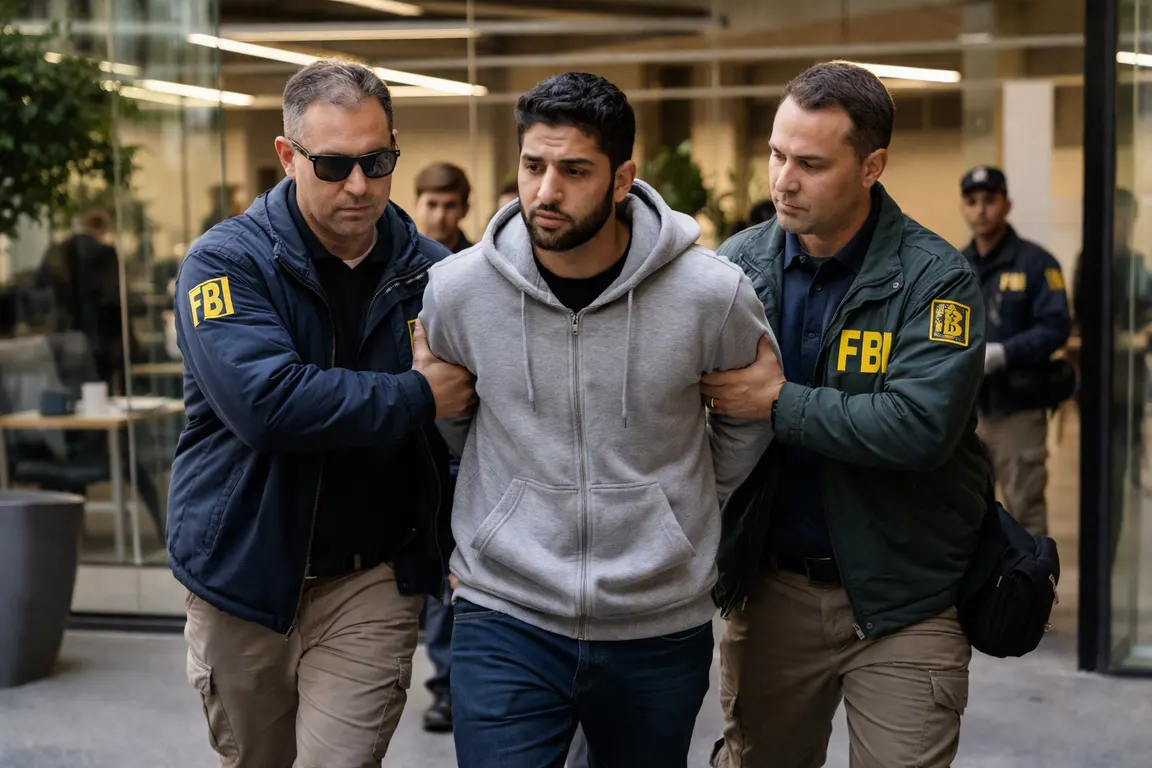
The FBI on Tuesday arrested Abdulrahman Alfozan, a Saudi‑national engineer hired by OpenAI in June 2025, charging him with planting a hidden listening device in a conference room at the company’s San Francisco headquarters. Federal agents say the device was intended to capture conversations among researchers and executives, raising concerns about insider espionage in the fast‑growing artificial‑intelligence sector.
The arrest comes as regulators intensify scrutiny of AI firms’ safety and security practices. Insider threats that could expose proprietary data or national‑security‑relevant research have prompted lawmakers to consider stricter safeguards for high‑tech laboratories.
Al Jazeera reported the FBI’s charge is limited to the alleged placement of the device; no details have been released about any recordings or data that may have been collected. A second Al Jazeera story referred to the equipment as a “recording device,” while International: Top News And Analysis added broader context about industry‑wide safety reviews. OpenAI has not issued a comment, and its internal response remains undisclosed.
Employees learning that a colleague may have used a covert microphone are likely to question the effectiveness of existing security protocols. Such doubts can erode trust and slow research at a time when rapid iteration is seen as essential to maintain a competitive edge. Investors, already watching the sector’s regulatory environment, may view the incident as a risk factor affecting OpenAI’s valuation and future funding.
Federal involvement signals that authorities view the case as more than a corporate dispute. The FBI has framed the alleged act as a potential intelligence‑gathering operation with national‑security implications, reinforcing calls from lawmakers for clearer guidelines on data protection and insider‑threat mitigation in high‑tech workplaces.
Industry peers are watching closely. Anthropic, Google DeepMind and Microsoft’s AI divisions have publicly pledged to tighten internal safeguards, and the incident could accelerate adoption of more rigorous vetting, monitoring and physical‑security measures. Hiring practices may shift toward deeper background checks and continuous monitoring of employee access to sensitive areas, reshaping the talent pipeline for AI research.
OpenAI is expected to launch an internal investigation, likely in coordination with federal authorities, to determine whether any proprietary information was compromised. The review may include an audit of physical‑security policies, encrypted communications and the placement of surveillance equipment in workspaces. Findings could influence broader industry standards and upcoming legislation aimed at protecting critical AI infrastructure.
Key questions remain unanswered: How was the device discovered, and what, if any, data was captured? Will the FBI’s action lead to additional arrests or a wider crackdown on insider threats in the AI sector? The answers will shape OpenAI’s security posture and the regulatory framework governing the nation’s most powerful emerging technologies.