

MI5 warns of AI‑enabled hybrid threats from Russia and Iran
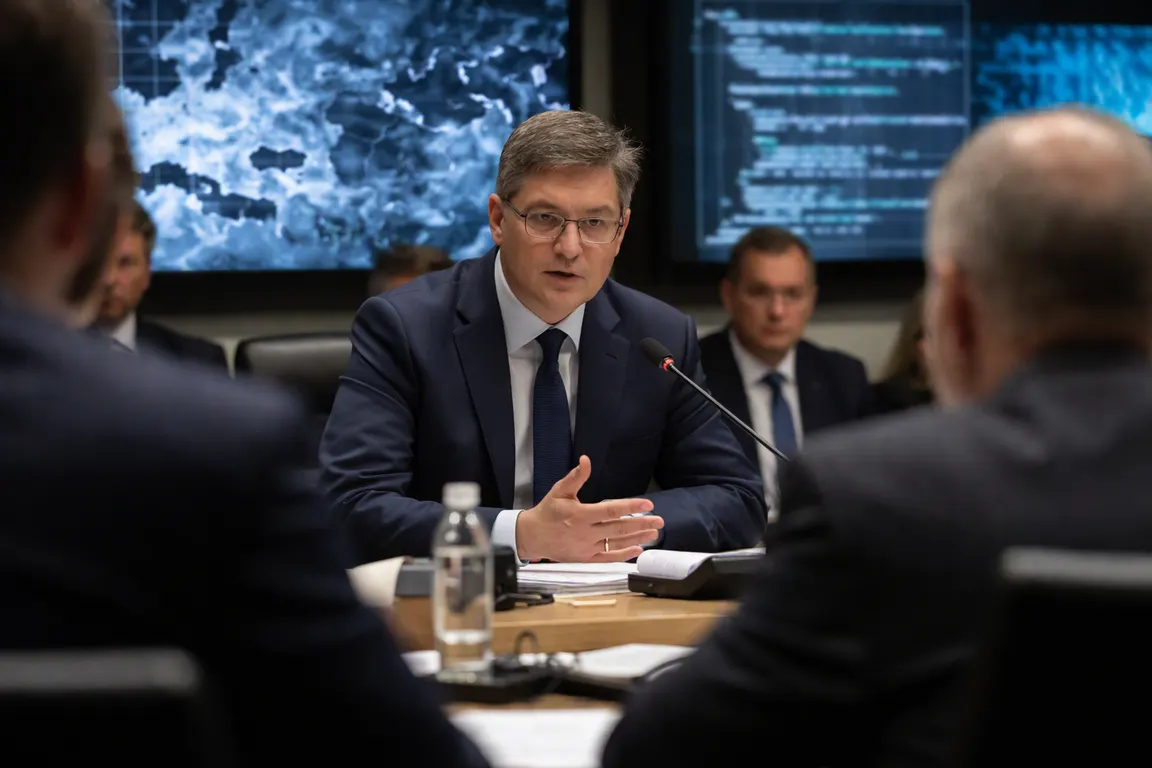
MI5 director‑general Sir Ken McCallum told officials in a series of 2024 briefings that state‑backed actors are developing AI‑enabled hybrid threats that could pose a security challenge "roughly equal in scale" to terrorism. The warning focused on the growing accessibility of AI, which can be combined with drones, deep‑fakes and synthetic‑biology techniques to target British infrastructure.
The alert comes as AI software has become cheap enough to run on a smartphone, lowering the barrier for hostile states to weaponise the technology. If Russia or Iran were to pair AI‑driven surveillance with autonomous drones or bio‑engineering methods, critical sites such as airports, power stations and transport hubs could become vulnerable. Policymakers, security agencies and private operators are being urged to assess the risk now, allocate resources for defences and consider regulatory frameworks before an incident occurs.
McCallum described the current threat environment as the most serious since the Cold War, naming Russia and Iran as the primary state actors driving the emerging hybrid threats. The Wall Street Journal has called the situation an "escalating hybrid war" that blends cyber operations, AI and conventional tactics. While the Independent cited examples such as AI‑guided drones and the possibility of AI‑assisted bioweapon design, other outlets have not provided specific weapon details, underscoring a shared concern but limited public information.
The intelligence community’s assessment rests on three observable trends. First, AI development platforms are increasingly open‑source and affordable, allowing non‑state actors to experiment with sophisticated models. Second, both Russia and Iran have shown a willingness to integrate emerging technologies into their military doctrines, as seen in recent cyber‑espionage campaigns and deep‑fake propaganda. Third, the convergence of AI with autonomous systems creates a speed and scale that traditional defence measures struggle to match.
The implications for the UK are broad. An AI‑enabled attack on a power station could trigger widespread outages, endangering public safety and economic activity. The tech sector may face tighter scrutiny, with regulators potentially imposing new licensing requirements on developers of high‑risk AI tools. Defence and security budgets are likely to rise, adding pressure on taxpayers and on companies that supply surveillance, drone and biotechnology equipment.
No specific legislative or operational changes have been announced following McCallum’s remarks. The briefings were framed as a risk assessment, urging the government and industry to prepare rather than react to an incident. Analysts suggest the next steps could include a review of AI export controls, increased funding for cyber‑defence units within MI5 and closer coordination with European allies, who face similar threats.
The public and private sectors are left with pressing questions: which AI capabilities are most likely to be weaponised, how Russia and Iran might target UK infrastructure, and what concrete measures the government will adopt. As the intelligence community continues to monitor the evolving threat, the balance between innovation and security will become a defining issue for Britain’s national‑security agenda.