

French supermarket cyber attack spoils food in hundreds of
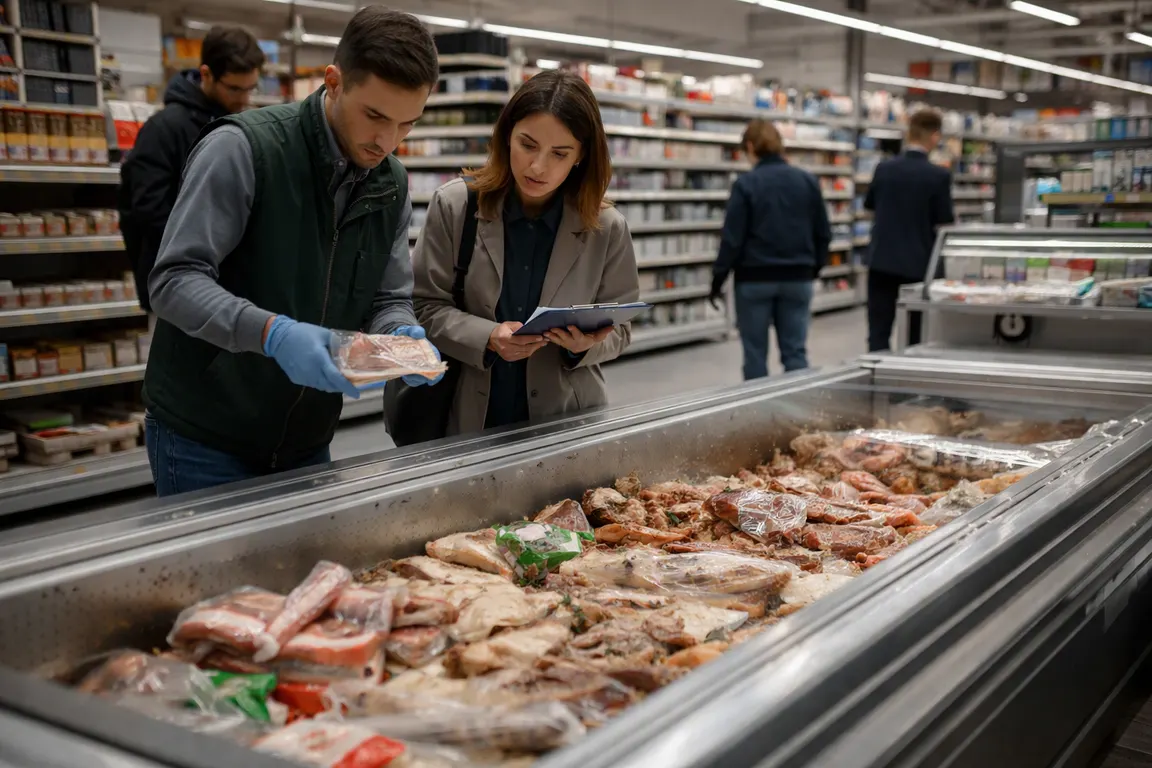
A coordinated French supermarket cyber attack on Friday night forced refrigeration units in dozens of Intermarché and Coopérative U stores to overheat, spoiling food worth millions of euros and prompting a criminal investigation.
Attackers remotely altered temperature controls on an estimated 150‑200 Intermarché stores and about 100 Coopérative U outlets. In many locations the systems entered an abnormal mode that drove internal temperatures up to 50 °C (122 °F) and triggered continuous defrost cycles. The heat rendered fresh and frozen goods unsellable. Two stores in Alsace reported losses of €270,000; overall spoilage is estimated in the low‑million‑euro range.
French prosecutors opened a criminal probe on 12 Oct 2026 to assess the scale of the losses and to investigate reports that a small number of units caught fire. No ransom demand or data theft has been reported; the attackers appeared focused on destroying inventory. Attribution remains unverified, though some analysts have suggested a possible link to Russian‑linked hybrid‑war tactics.
The incident highlights a vulnerability in retail Internet‑of‑Things (IoT) devices, many of which run on default credentials or unpatched firmware. Intermarché’s corporate office announced an immediate audit of all connected equipment, a temporary shutdown of affected units and an accelerated program to replace vulnerable hardware. Coopérative U issued similar directives and is working with insurers to process claims.
French authorities have urged retailers to adopt stricter cybersecurity standards for critical infrastructure. The Ministry of the Interior indicated that future regulations may require mandatory security certifications for IoT components used in food‑handling environments.
Consumers in the affected regions faced empty shelves for perishable items and higher prices for the remaining stock. Employees dealt with schedule disruptions as stores closed sections for equipment replacement and safety checks.
Insurers are revising risk models to account for cyber‑induced physical damage, a scenario previously considered rare in the sector. The breach underscores how digital intrusions can translate directly into economic loss and public‑health concerns.
As investigators trace the attack’s origin and regulators consider new safeguards, retailers will need to balance rapid remediation with long‑term investment in secure device architectures. The outcome of France’s criminal probe and any forthcoming legislative measures will shape how the grocery industry protects its supply chain from similar threats in the future.