

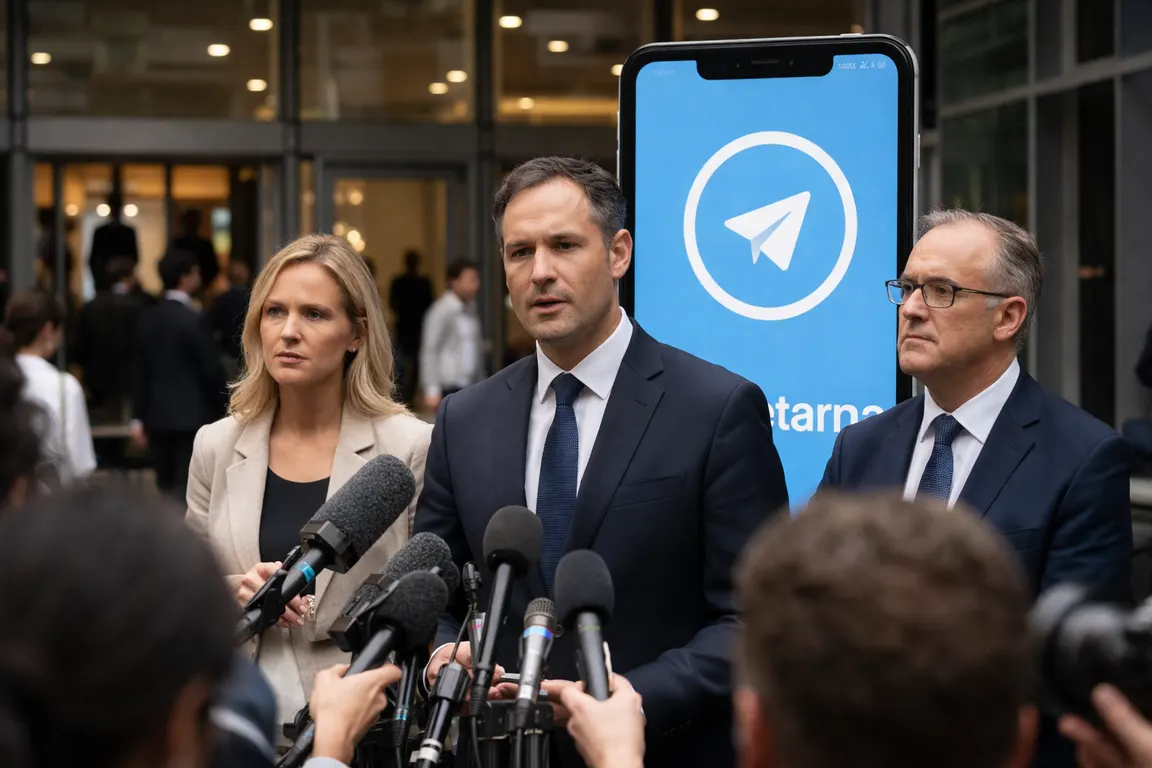
The Australian internet regulator has begun legal action against Telegram, alleging the platform failed to remove pro-terror posts, including material related to the Christchurch and Buffalo attacks. This case highlights the challenge of regulating online content and the responsibility of tech platforms to prevent the spread of extremist material, with potential implications for public safety and free speech.
Telegram faces a fine of up to 54.6 million Australian dollars ($38 million) if convicted. The case is a test of Australia's 2021 law requiring tech platforms to work to keep illegal and pro-terrorism material off their networks. The Australian regulator, eSafety Commissioner Julie Inman Grant, says Telegram was 'non-responsive' to requests to comply with its own policies until after France took action against the company.
The regulator's concerns include Islamic State group beheadings and other 'horrific material used for propaganda and radicalization.' Telegram has denied the claims, stating it has blocked over 150,000 'terrorist-related communities' this year. The case began in March 2024, when Commissioner Grant started urging Telegram to comply with its own policies. In August 2024, France arrested Telegram's founder and CEO Pavel Durov, leading to increased compliance from the company.
The Australian regulator filed legal action against Telegram on Wednesday. The implications of the case are significant, as the spread of extremist material can contribute to radicalization and violence. The outcome of the case may also impact the responsibility of tech platforms to regulate online content and the balance between free speech and public safety.
As the case moves forward, the key question is how effective Telegram's content moderation efforts are and what challenges the company faces in regulating online material. The potential consequences for Telegram and other tech platforms if they fail to comply with regulations and remove extremist content are also a major concern. The case reflects the tension between free speech and public safety in the online sphere, raising questions about the long-term effects on the balance between tech platforms' responsibilities and users' rights.
The next step in the case will be a court hearing, where the Australian regulator will present its evidence against Telegram. The hearing will provide further insight into the effectiveness of Telegram's content moderation and the regulator's efforts to hold the company accountable for removing pro-terror content.