

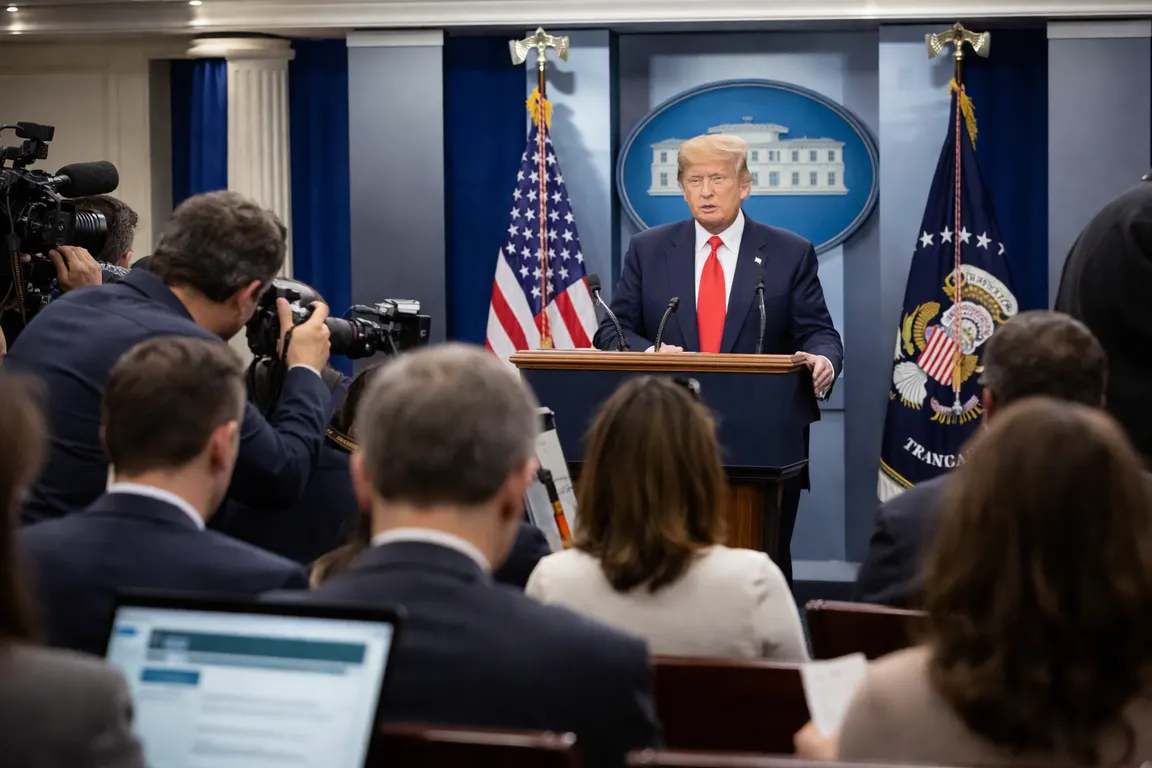
President Donald Trump announced Tuesday that the administration will launch the America.gov AI portal, a new government website powered by artificial intelligence. The portal is intended to serve as a single entry point for federal services, aggregating information from dozens of agencies and automating routine tasks.
The rollout is part of a broader push to accelerate U.S. AI development. Trump also said he will sign an executive order that renames artificial intelligence as “Super Intelligence” and has scheduled a summit in Washington with leading AI experts to discuss the initiative.
America.gov aims to let citizens access tax forms, benefit applications and other services from one site. The Guardian reported that the portal will consolidate data currently scattered across agency websites, while The Independent noted that the AI component will handle “bureaucratic chores,” potentially reducing the need for some clerical staff.
The plan raises several policy concerns. Officials have not released technical specifications, budget details or a clear data‑privacy framework, making it difficult to evaluate the system’s security. Privacy advocates warn that personal information could be processed by algorithms without robust oversight or user consent.
Federal labor groups also expressed unease about automation. They argue that replacing routine tasks with AI could lead to job losses or require extensive retraining, and the administration has not provided a staffing plan for the transition.
The upcoming AI summit, whose date has not been set, is expected to address technical standards, ethical guidelines and inter‑agency coordination. Observers hope the meeting will produce recommendations on transparency, bias mitigation and accountability for the AI system that will power America.gov.
Until the summit’s recommendations are known, the portal’s impact remains speculative. While the promise of faster, centralized service is appealing, questions about privacy protections and the effect on the federal workforce linger.
As the launch date approaches, the administration faces pressure to clarify the scope of automation, outline concrete privacy safeguards and detail the provisions of the executive order. The success of America.gov will likely be judged on whether it can improve efficiency without eroding public trust.