

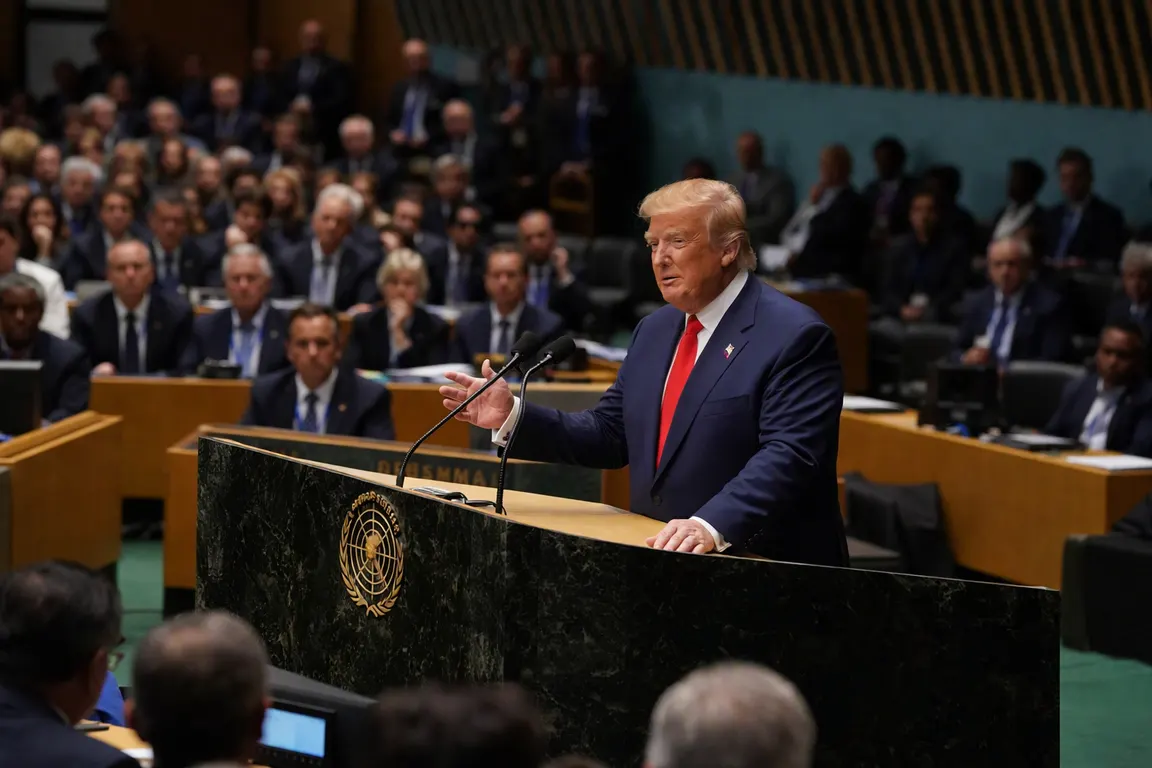
U.S. President Donald Trump used a United Nations General Assembly session on climate and conflict to promote a vision of "superintelligence" in artificial intelligence, raising concerns about AI superintelligence risks. He described the technology as "amazing" and suggested the United States would encourage its development, but offered no legislative or regulatory plan.
The remarks contrast sharply with warnings from AI researchers who say the technology is already causing tangible harm. Experts cited examples such as biased hiring algorithms, the spread of misinformation, and vulnerabilities in transportation and utility systems. They argue that without clear safety guidelines, firms may rush development to stay competitive, increasing the risk of privacy breaches and cyber‑physical attacks.
Trump’s comments were reported by NBC News, which noted the statement could signal a policy shift, and by the New York Post, which highlighted the new nickname and warned of "globalist" control of advanced technology. Neither outlet provided details on forthcoming regulations, funding, or oversight mechanisms.
The lack of a concrete policy framework creates a vacuum. Stakeholders are left uncertain whether the administration will draft new AI legislation, allocate resources for safety research, or convene a multi‑agency task force. Congressional committees are slated to hold hearings on AI risks in the coming weeks, and the White House has indicated interest in a summit on emerging technologies later this year, but timelines remain vague.
Internationally, Trump’s emphasis on a "red line" against foreign influence over advanced technology signals a more protectionist stance. Allies may interpret the message as a cue to prioritize national advantage over collaborative standards, complicating efforts to establish global norms for AI governance.
The immediate challenge for policymakers is to translate the broad endorsement of "superintelligence" into actionable safeguards. Potential steps include updating procurement criteria for government‑funded AI projects, establishing clearer liability standards for AI failures, and requiring mandatory impact assessments for high‑risk deployments.
Until such measures are articulated, the United States faces an open question: how to protect public safety and maintain economic competitiveness while AI continues to evolve unchecked.