

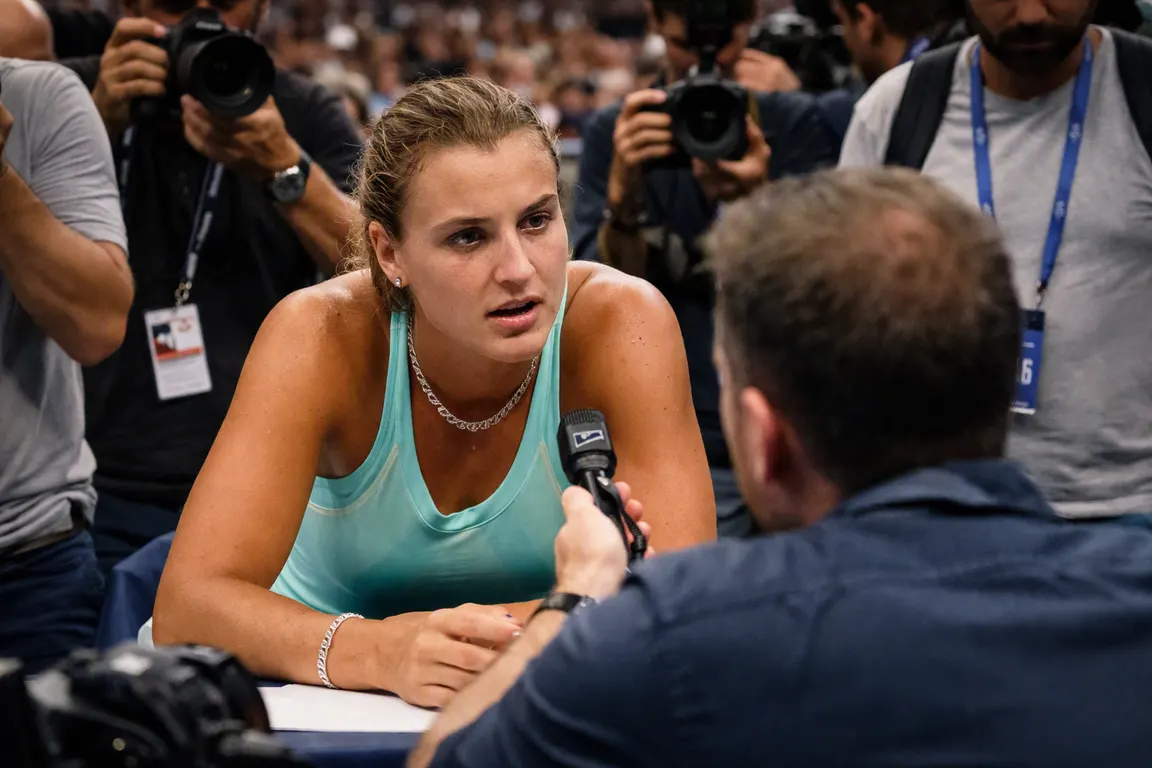
Aryna Sabalenka walked onto Centre Court in a $110,000 custom jewelry set and, after a 53‑minute third‑round win at the U.S. Open, got into a heated exchange with a reporter. The incident has revived questions about the USTA media policy and the visibility of high‑value sponsorships at Grand Slam events.
Sabalenka, the world No. 1 and two‑time defending champion, dispatched her opponent in under an hour to reach the round of 16. During the match she wore a necklace, bracelet and earrings featuring more than 127 carats of colored gemstones, a piece designed specifically for the tournament and highlighted by the New York Post.
After the victory, a reporter asked Sabalenka a question she later called “a joke.” Her response grew louder, prompting what the Post described as a “blow‑up” and the BBC called a “spiky exchange.” Neither outlet released the exact wording of the query, leaving the trigger unclear. The USTA has not commented, and tournament officials have said no sanctions are planned for either party.
The clash underscores a gap between the USTA’s existing press‑player protocols and the realities of athletes who carry major commercial endorsements. Current rules grant media access but do not define limits on tone, follow‑up questioning or the display of sponsor branding during play.
Stakeholders are watching. Fans may see the outburst as unprofessional, potentially shaping perceptions of tennis culture. Journalists may rethink how they phrase questions to top‑ranked players, balancing insight with sensitivity. Sponsors, including the jewelry maker, gain high‑visibility exposure but risk association with controversy if the athlete’s conduct is judged negatively. Tournament organizers could be pressured to clarify or tighten media‑player interaction policies to protect both press freedom and player dignity.
The divergent coverage also illustrates how outlets frame the same event. The Post emphasized the drama and the jewelry’s cost, while the BBC focused on the match result and described the exchange more neutrally. Without a clear statement from the USTA, players and journalists are left to interpret ambiguous guidelines.
The next likely step is a review of the USTA’s press guidelines. Whether the body issues new directives or simply reaffirms existing expectations remains to be seen, but the incident has already sparked a broader conversation about the balance between commercial branding, athlete conduct and media responsibilities at major sporting events.