

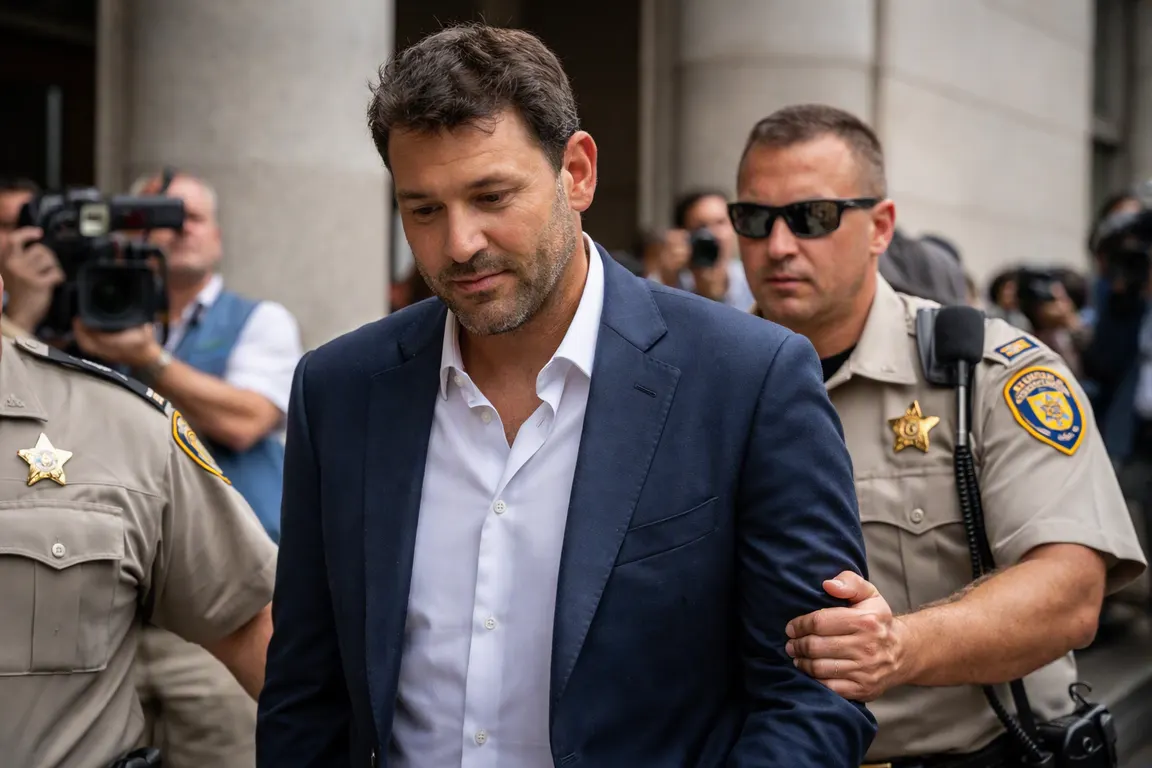
Former Dallas Cowboys quarterback Tony Romo entered a no‑contest plea to an operating‑while‑intoxicated (OWI) charge on Aug. 13, 2024, in Dallas County. Court documents show his blood‑alcohol concentration was about 0.18 percent, roughly twice Texas’s legal limit of 0.08 percent. The plea resolves the misdemeanor case stemming from his July 2023 arrest, but sentencing and any required treatment have not yet been disclosed.
Romo said he turned to alcohol to cope with chronic pain from a 14‑year NFL career. His statement, reported by multiple outlets, links the impaired‑driving incident to untreated pain and alcohol dependence, underscoring a broader public‑safety concern when athletes self‑medicate without adequate medical or psychological support.
According to the filings, Dallas police stopped Romo in July 2023 and recorded the 0.18 percent BAC on a breath test. Texas law classifies OWI as a misdemeanor punishable by up to one year in jail, a $2,000 fine and a license suspension of up to two years. The August plea eliminates a trial, but it does not reveal whether the court will impose the full range of penalties or order participation in a treatment program. Neither Dallas County officials nor the district attorney’s office have commented on the upcoming sentencing.
The case arrives amid heightened scrutiny of how professional sports leagues address chronic pain and substance‑abuse disorders among current and former players. Medical research links repeated football injuries to long‑term musculoskeletal pain, which can increase the likelihood of self‑medication with alcohol or opioids. The NFL’s Player Assistance Program offers counseling and referral services, but critics say access is uneven, especially for retirees who lose team‑provided health coverage.
Media coverage has varied in focus. The New York Post highlighted the 0.18 percent BAC figure, while The Independent World and NBC News emphasized Romo’s apology and his description of “over‑reliance on alcohol.” None of the reports include statements from law‑enforcement or the district attorney, leaving the precise legal consequences uncertain. No NFL representative has commented on whether the incident will prompt changes to the league’s health‑care or addiction resources.
For Dallas residents and drivers statewide, the immediate issue is the risk that impaired drivers pose to road safety. Romo’s arrest serves as a reminder that public figures are subject to the same legal standards as anyone else, and that untreated pain can translate into dangerous behavior behind the wheel. Community groups that address impaired driving stress early intervention for substance‑use disorders and suggest partnerships with medical providers to reduce recidivism.
A sentencing hearing is expected later this year. The outcome could influence pressure on the NFL to expand its pain‑management and addiction‑treatment programs. Until then, Romo’s plea adds a personal narrative to an ongoing policy conversation about how athletes, leagues and courts can better protect both individual health and public safety.