

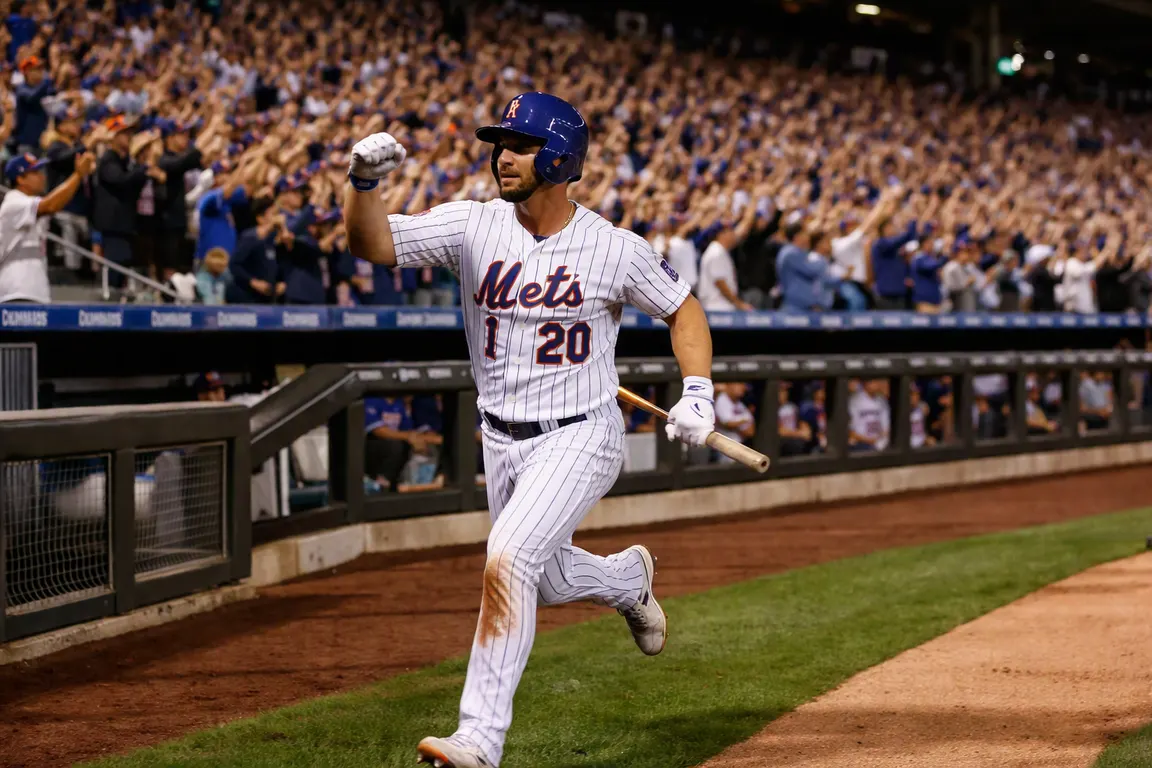
Pete Alonso hit his 300th career home run Saturday night at Citi Field, sparking a burst of excitement that rippled beyond the stadium. After the blast, the Mets slugger sprinted a full‑field lap with his bat, a moment that drew cheers from the crowd before the game moved into extra innings and the Baltimore Orioles rallied to a 7‑5 win.
The milestone matters because fan enthusiasm often translates into activity for the neighborhood around the ballpark. Vendors, bar owners and transit providers monitor attendance trends closely; a surge in excitement can mean more foot traffic, higher merchandise sales and a boost to the night‑time economy. While no official data have been released, several nearby establishments reported a noticeable uptick in post‑game customers.
Alonso’s seventh‑inning homer tied the game and set off the celebratory dash that New York Post reporters called “surreal.” He tossed his bat, rounded the bases in a 360‑foot circuit and returned to home plate to a roar from the crowd. The Mets ultimately fell in the 11th inning as the Orioles completed a comeback, but the emotional high of the home run lingered on social media, where fans posted videos of the run‑around.
Historical patterns show that player milestones can produce short‑term attendance bumps. When Carlos Beltrán reached 400 home runs in 2014, the Mets saw a modest rise in ticket sales for the following series. Derek Jeter’s 3,000‑hit game in 2011 sparked a surge in merchandise orders. Those examples suggest that Alonso’s achievement could encourage more fans to attend upcoming games, especially if the Mets leverage the moment with promotions or community events.
City officials have not linked the milestone to any economic plans, and Mets management has not announced special marketing initiatives. The lack of formal commentary leaves the economic impact in the realm of speculation, underscoring the need for concrete data before drawing firm conclusions. Nonetheless, local business owners expressed optimism. “When Pete runs the bases, the whole block feels it,” said Maria Torres, who runs a food cart near the stadium. “We see more people lining up after a big play, and that translates to sales.”
The broader context includes the Mets’ recent struggles and the competitive pressure from the Orioles, whose extra‑inning rally highlighted the fine line between celebration and disappointment. Betting markets reflected the shift, with odds adjusting after the Orioles took the lead. For fans, the dual narrative of a personal triumph and a team loss creates a complex emotional mix that can influence future engagement.
As the Mets prepare for their next home series, the question remains whether Alonso’s milestone will translate into sustained attendance growth or remain a fleeting highlight. Tracking ticket scans, concession receipts and merchandise inventory over the coming weeks will provide clearer insight. For now, the 300th home run stands as a reminder that individual achievements can ignite community spirit, even as the team works to convert that energy into on‑field success.