

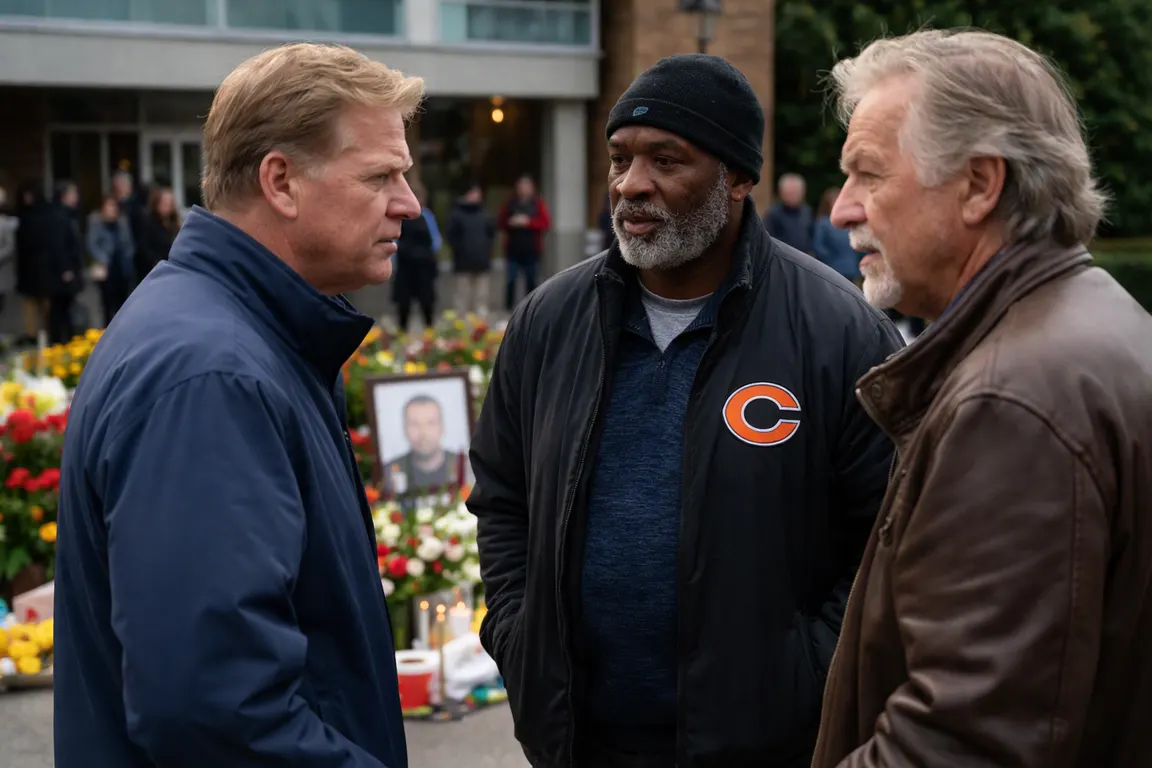
NFL retired player health became a headline topic when Chicago legend Mike “Iron Mike” Ditka died Friday at age 86. The NFL commissioner, the retired‑players association and numerous former teammates issued statements that turned personal loss into a broader discussion about player‑health policy and pension reform.
The announcement arrived as the league negotiates a new collective‑bargaining agreement that could reshape medical benefits and retirement funding for former players. Ditka, a longtime advocate for the Gridiron Greats Assistance Fund, used his post‑coaching platform to press the league for more transparent coverage and stronger pension guarantees. Goodell’s statement noted that Ditka “dedicated his post‑coaching years to the well‑being of the men who helped build this game,” underscoring the relevance of his advocacy to upcoming negotiations.
Ditka’s on‑field achievements remain a cornerstone of his legacy. Drafted fifth overall by the Chicago Bears in 1961, he helped the team win the 1963 NFL Championship as a tight end and became the first player at that position inducted into the Pro Football Hall of Fame in 1988. As head coach, he led the 1985 Bears to a dominant season capped by a Super Bowl XX victory, a defense still cited as a model for modern schemes. His emphasis on the tight end as a versatile offensive weapon influenced how subsequent generations deploy the position.
Chicago honored Ditka by retiring his No. 89 jersey in 2013, declaring it the final number the franchise will ever retire. The jersey retirement cemented his status as a cultural touchstone; his mustache, sweater vest and boisterous demeanor are fixtures in local tourism, merchandise and the city’s restaurants, including several bearing his name.
Reactions from former players and advocacy groups were swift. The NFL Retired Players Association called Ditka “a bridge between the league’s past and its future responsibilities,” urging the NFL to turn his advocacy into concrete policy changes. The Gridiron Greats Assistance Fund reported a surge in donations following the news, suggesting that his death may accelerate funding for medical and retirement assistance.
Details about the cause of Ditka’s death have not been released, reflecting the family’s wish for privacy. The focus, therefore, remains on the measurable aspects of his legacy rather than speculation.
As the league prepares for offseason meetings, the question looms: will heightened awareness of Ditka’s advocacy translate into actionable reforms for retired players? The outcome could shape how the NFL addresses long‑term health and financial security for the athletes who built its reputation, echoing the issues Ditka championed until his final days.