

Ireland Israel Nations League clash and black armband
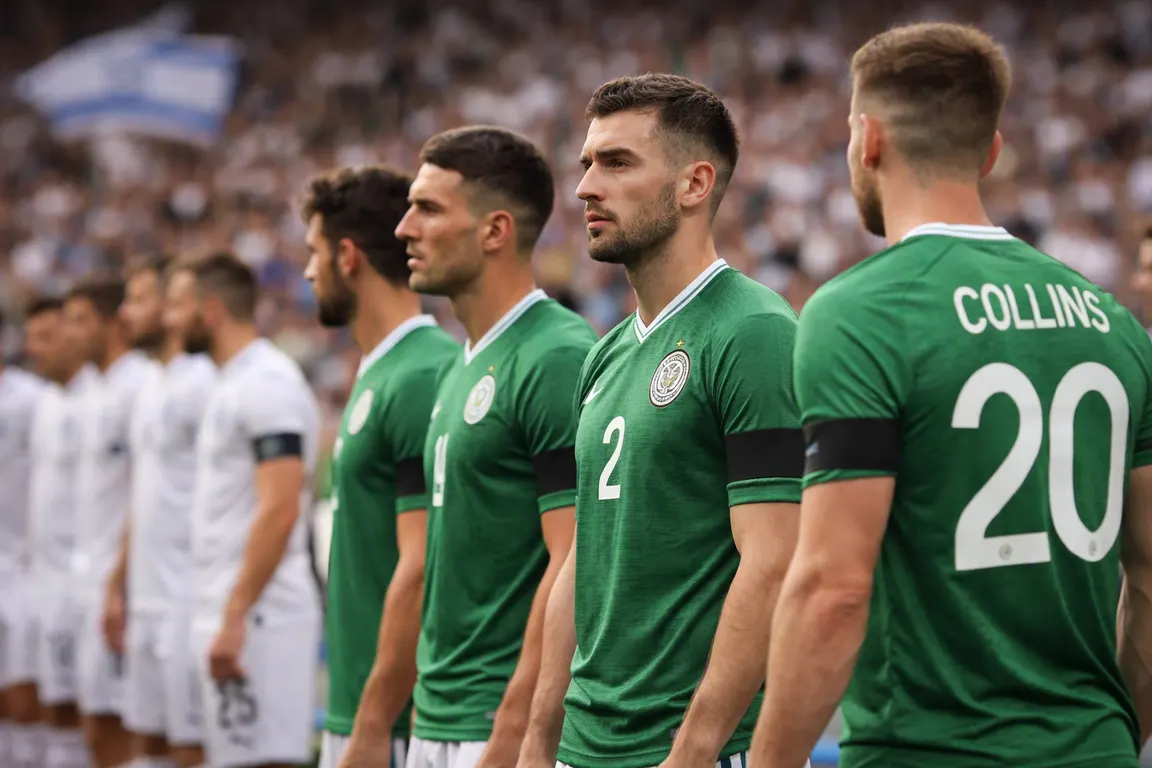
The Republic of Ireland senior men’s team will face Israel in a UEFA Nations League Group B match in Budapest on Sunday, after a player‑led vote rejected a boycott. The Football Association of Ireland said every player will wear a black armband to acknowledge lives lost in the Gaza conflict.
The decision places the Irish side at the centre of a growing debate over sport’s claim to political neutrality. By proceeding with the fixture while marking the humanitarian toll, the FAI has adopted a hybrid approach that could shape how governing bodies handle future matches involving teams from conflict zones.
The game is scheduled for Sunday at the Groupama Arena in Budapest, Hungary. In the days leading up to the match, the FAI postponed its pre‑match media briefing and delayed a training session amid pressure from human‑rights groups and some fans to cancel the encounter. A vote among the senior squad was organised, and a majority chose to honour the fixture rather than pursue a boycott.
Following the vote, the association confirmed that each player will wear a black armband during the match. The FAI described the gesture as “recognition of all lives lost in the Gaza conflict.” The BBC reported the decision, noting the symbolic nature of the armbands, while Al Jazeera highlighted the internal debate and the logistical disruptions caused by the boycott campaign.
UEFA has not altered or cancelled the fixture, maintaining the schedule despite the political sensitivities. Sponsors linked to the Nations League have not commented publicly, but the visibility of the armbands is expected to generate additional media coverage for the competition.
Fan reaction has been mixed. Some Irish supporters praised the players for exercising agency and acknowledging the humanitarian crisis, while others argued that any participation implicitly legitimises a nation engaged in an active conflict. Israeli officials expressed disappointment at the boycott calls but welcomed the match proceeding as scheduled. Human‑rights organisations welcomed the black‑armband gesture as a modest acknowledgment, but said symbolic actions should be accompanied by broader advocacy.
The episode raises questions about UEFA’s policies on political expression in sport. Current regulations prohibit overt political statements on the field but allow “humanitarian gestures” that do not target a specific government. The Irish team’s approach tests the boundaries of that guidance, and UEFA’s response—or lack thereof—may set a precedent for handling similar disputes.
As the teams prepare to line up on Sunday, the immediate focus will be on the match itself and the visual impact of the armbands. Whether the gesture satisfies critics, influences future scheduling decisions, or prompts UEFA to clarify its stance on politically charged fixtures remains unresolved. The outcome of the game and the public’s reaction will likely shape the conversation about sport’s role in geopolitical conflicts for months to come.