

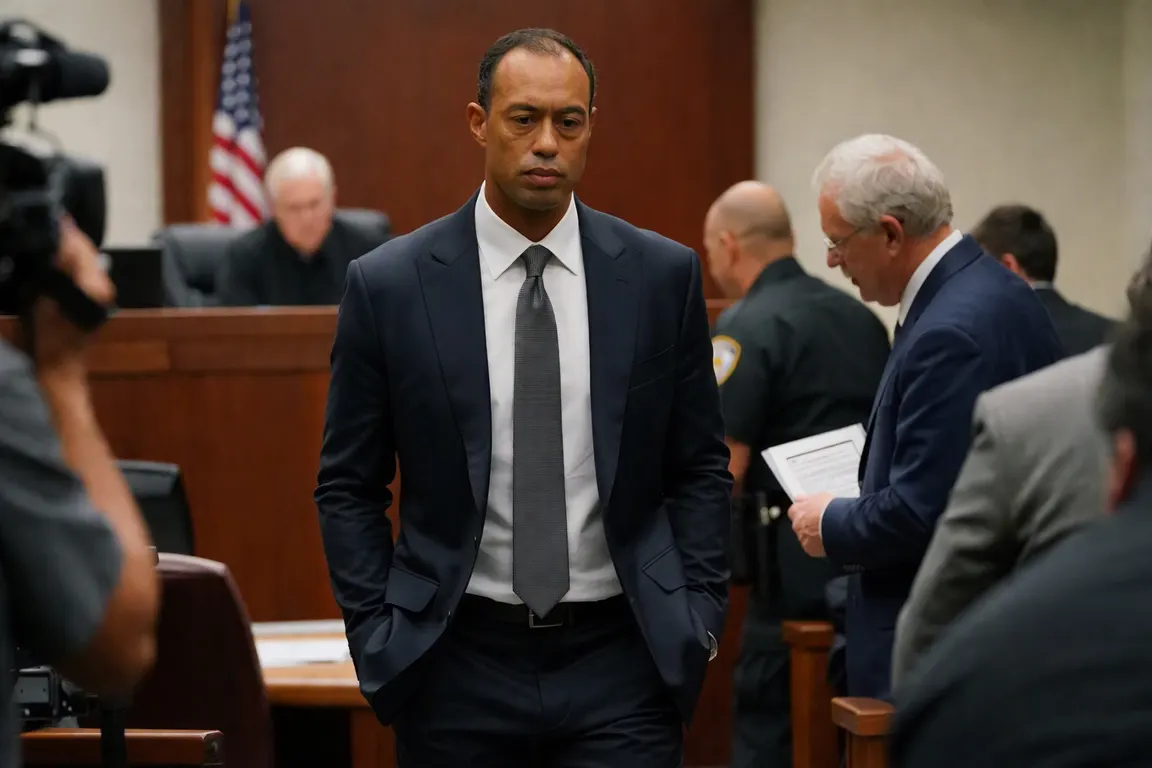
Tiger Woods entered a no‑contest plea to a reckless‑driving charge on Wednesday, and a Florida judge ordered a five‑year license suspension, marking a significant Florida reckless driving suspension case. The court dropped the DUI allegation that had accompanied the March 2024 rollover crash near his home.
The crash prompted an investigation that initially cited both reckless driving and driving under the influence. Prosecutors later struck a plea deal that eliminated the DUI charge in exchange for Woods’ no‑contest plea to reckless driving. The agreement does not disclose any fines, community‑service requirements or alcohol‑education programs, but it does require the maximum five‑year suspension allowed for a first‑offense reckless‑driving case.
In Florida, reckless driving is a serious misdemeanor punishable by up to a year in jail, fines of up to $500 and a license suspension. The Department of Highway Safety and Motor Vehicles often imposes longer suspensions when the conduct endangers public safety, especially after a crash that causes property damage or injury. By imposing the maximum suspension, the court signaled that the law applies uniformly, regardless of a defendant’s fame or wealth.
Legal experts note that a no‑contest plea lets a defendant accept conviction without admitting guilt, a tactic sometimes used to limit civil liability. The differing descriptions of the plea – NBC News called it “no contest,” while Al Jazeera said “guilty” – highlight the need for precise language in reporting court filings.
The decision arrives as Florida grapples with a surge in reckless‑driving incidents. Lawmakers are considering stricter penalties and expanded driver‑education programs, and advocacy groups argue that high‑visibility cases like Woods’ test public confidence in equitable enforcement. By removing the DUI charge, which often carries harsher penalties, the case also draws attention to the plea‑bargaining process, where prosecutors weigh evidentiary strength against the certainty of a conviction.
The immediate safety impact is clear: a driver involved in a rollover accident will be barred from operating a vehicle in Florida for five years, reducing the risk of a repeat incident within the state’s jurisdiction. Insurance analysts say the case could prompt carriers to reassess risk models for high‑net‑worth individuals, potentially leading to higher premiums for drivers deemed “high risk.”
The golf world, while peripheral to the legal matter, may face ancillary publicity considerations as sponsors and event organizers evaluate any reputational fallout.
What remains unresolved is whether Woods will appeal the suspension or face additional penalties, such as mandatory alcohol‑education programs. The case also raises questions about how Florida courts will handle future high‑profile reckless‑driving cases when evidence of impairment exists but a DUI charge is not pursued. As the state continues to address traffic safety, Woods’ plea underscores the judiciary’s willingness to apply existing statutes to protect the public, setting a precedent that could influence prosecutorial strategy and driver behavior across Florida.