

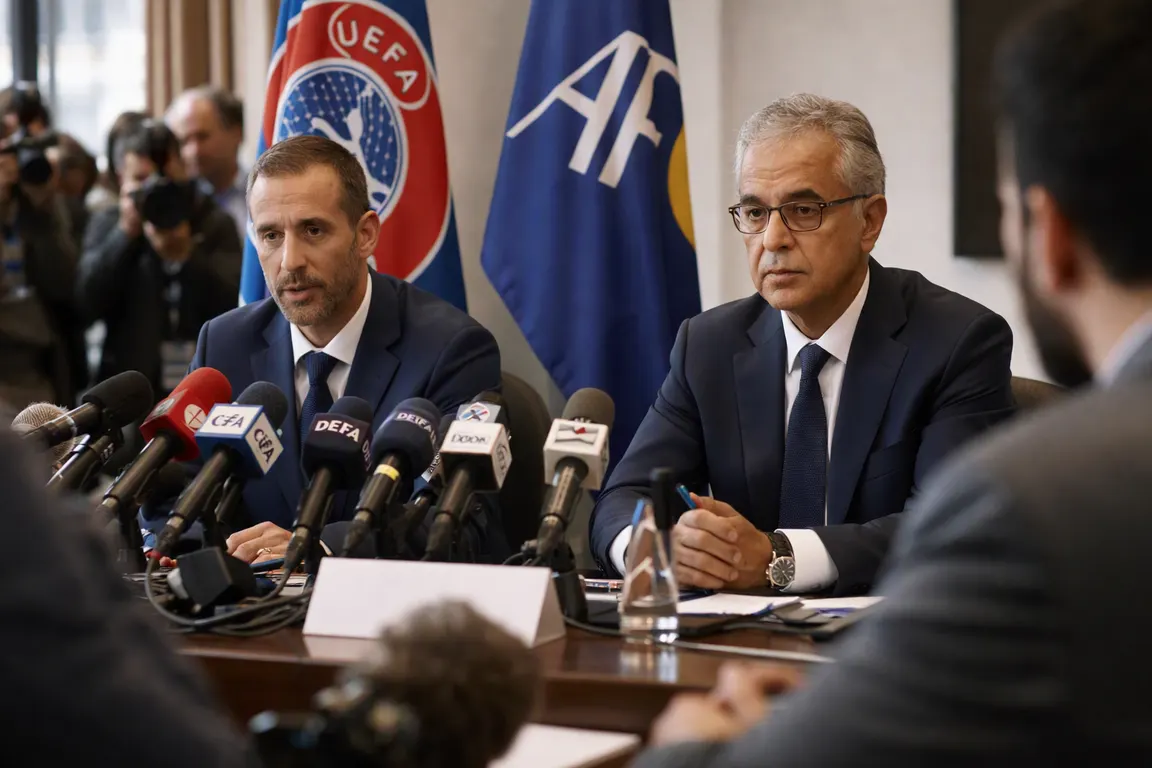
The Union of European Football Associations (UEFA) and the Asian Football Confederation have announced their intention to boycott the FIFA World Cup if FIFA proceeds with its plan to sell stakes in its competitions. This potential boycott could significantly impact the tournament's credibility and viewership, affecting millions of fans worldwide.
UEFA's 55 member associations voted to boycott the World Cup in response to FIFA's investment plan, which involves selling stakes in its competitions, including the World Cup. The Asian Football Confederation president called the plan 'unacceptable' and stated it undermines the sport's continental structure. The boycott decision was made by UEFA's 55 member associations, with UEFA member countries agreeing to boycott FIFA competitions in protest at the private equity plan for the World Cup.
The plan's details, including the potential investors and the percentage of stakes to be sold, are not specified. FIFA has not commented on how it plans to proceed with its investment plan despite the potential boycott. The boycott could affect millions of football fans worldwide, as well as the financial interests of FIFA, the associations, and potential investors. A potential World Cup without European and Asian teams would be a historic and unprecedented event.
The sequence of events is not fully specified, but it appears that FIFA announced its investment plan, which was then met with opposition from UEFA and the Asian Football Confederation, leading to the boycott decision. The sources do not report any direct disagreement between the associations and FIFA, but rather a unified stance by UEFA and the Asian Football Confederation against the plan. As the situation unfolds, questions remain about the details of FIFA's investment plan and the impact of the potential boycott on the tournament's credibility and viewership.
The potential boycott raises questions about the tournament's future and the power dynamics within international football. The financial implications of the boycott for FIFA and the associations are not specified, but a boycott would likely have significant consequences for the sport. The situation highlights the complexities of international football governance and the challenges of balancing the interests of different stakeholders.