

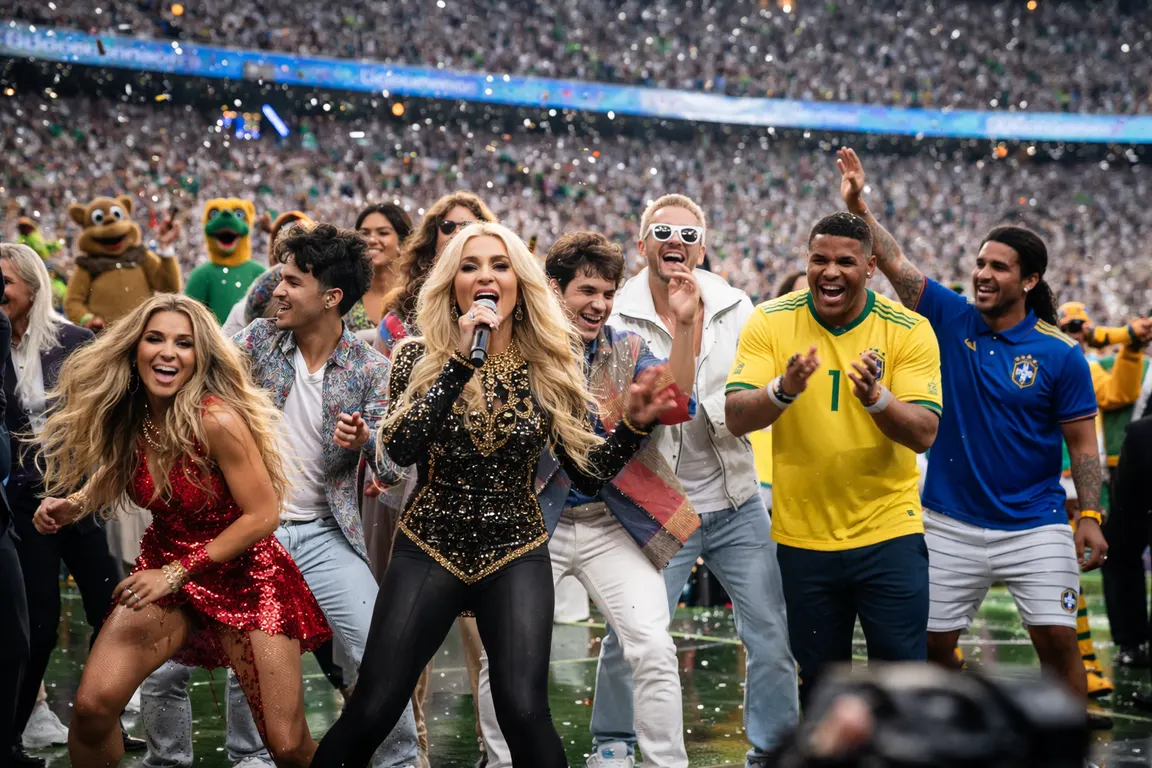
The 2026 World Cup final between Spain and Argentina featured a historic halftime show with performances by Madonna, Shakira, BTS, Justin Bieber, and The Muppets, along with a surprise appearance by Brazilian soccer legends Ronaldinho and Ronaldo. This unique event drew high-profile attendees, including President Trump, who arrived aboard Marine One.
The significance of the 2026 World Cup final extends beyond the game itself, as it raises questions about the future of such events and their broader impact on fans, the economy, and the community. The final's halftime show was the first of its kind in World Cup history, showcasing a blend of music and sports that attracted a wide audience.
The economic impact of hosting the 2026 World Cup final is still being assessed, but the event is expected to have generated significant revenue through tourism and viewership. While the exact nature and extent of this impact are not yet clear, the event's ability to bring people together and create a shared experience is undeniable.
The reaction of attendees and viewers to the unique halftime show and high-profile attendance has been notable, with many praising the event's ability to transcend traditional sports and entertainment boundaries. As the world watched the 2026 World Cup final, it became clear that the event was about more than just the game on the pitch.
The spectacle surrounding the event, including the halftime show and high-profile attendance, has raised questions about the future of such events and their potential to bring people together. The 2026 World Cup final will be remembered for its unique blend of sports and entertainment, and its lasting impact remains to be seen.
As the football community looks to the future, the legacy of this historic event will depend on its ability to inspire and unite people from diverse backgrounds. The 2026 World Cup final has set a new standard for future events, and its impact will be felt for years to come.