

U.S. Confirms Operational Space Weapons in Orbit
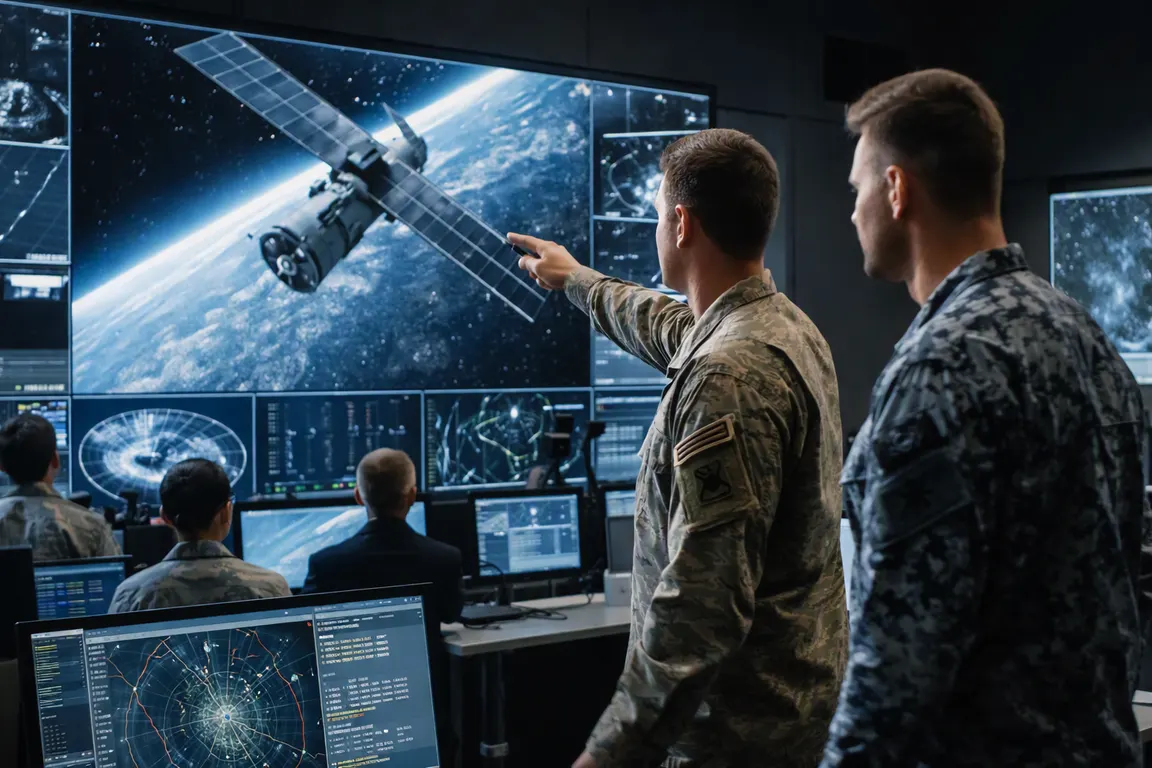
U.S. defence officials announced Monday that the United States now has operational space weapons in orbit, marking the first public acknowledgment of an on‑orbit capability. Air Force Secretary Troy Meink said the United States possesses “on‑orbit space control weapons” that are already circling the globe. The admission shifts the discussion from speculative research to an active deployment and immediately sparks debate over arms‑control norms, the risk of a new orbital arms race and the security of commercial satellite operations.
The statement comes as Washington pushes a broader modernisation of the Air Force’s space‑related assets. By openly acknowledging weapon systems in space, the United States departs from the secrecy that has long characterised military space programmes. Analysts cited by the BBC, The Guardian, Al Jazeera and International Top News And Analysis warned the move could accelerate competition with Russia and China, both of which are expanding their own orbital capabilities. NATO and allied defence ministries will now have to reassess space‑defence postures, while commercial operators scramble to gauge how an armed presence in orbit might affect collision risk, insurance premiums and launch costs.
Four independent outlets confirmed the core fact: the United States has operational space weapons in orbit. The BBC called the statement the first public confirmation of such weapons; Al Jazeera highlighted the rarity of a Washington declaration on the topic. The Guardian and International Top News And Analysis focused on the potential for an accelerated arms race. None of the reports provide technical details about the weapons’ type, number or capabilities, leaving a gap in public understanding of what “space control” actually entails.
The lack of specifics fuels uncertainty for the satellite industry. Operators of communications, navigation and Earth‑observation constellations rely on a predictable orbital environment. An armed presence could raise the probability of intentional or accidental targeting, prompting insurers to raise rates and governments to consider new regulatory safeguards. The United States has not indicated whether the weapons are kinetic, electronic‑warfare devices or another class, nor has it offered guidance on rules of engagement or de‑confliction protocols.
Strategically, the admission tests existing arms‑control frameworks. The 1967 Outer Space Treaty bars weapons of mass destruction in orbit but does not explicitly forbid conventional weapons. The United States has previously argued that its space assets are defensive, yet Meink’s language – “space control weapons” – suggests a capability to influence or deny adversary use of orbital assets. Russia and China have publicly condemned the development, each pledging to strengthen their own space‑defence programmes, though concrete retaliatory steps remain unclear.
Policymakers in Washington now face a narrow window to shape the narrative. The Department of Defense could embed the new capability within diplomatic channels, perhaps by proposing transparency measures or confidence‑building steps with other space‑faring nations. Without such initiatives, the admission may harden mistrust and push rivals toward faster deployment of their own on‑orbit systems.
The next concrete step is likely a briefing to senior members of the Senate Armed Services Committee, where lawmakers will demand details on the weapons’ purpose, safeguards and cost. Until that discussion takes place, the broader implications – from potential escalation with Russia and China to the stability of the commercial space sector – remain unresolved, underscoring the urgency of clear policy guidance on the militarisation of an arena once regarded as a shared commons.