

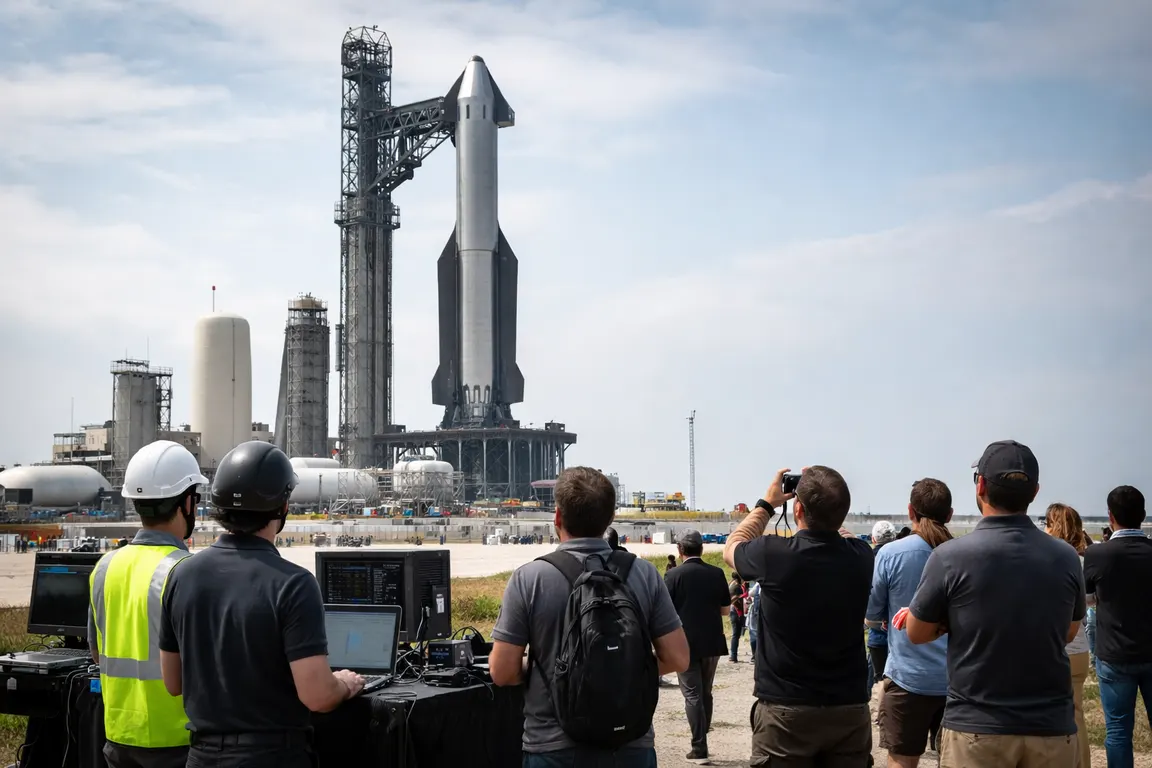
SpaceX is preparing to launch its 13th Starship test flight on Thursday from its Starbase facility in southern Texas, a crucial step for the company's future plans, including NASA's Artemis missions and expanding its Starlink constellation. The SpaceX Starship test flight will aim to demonstrate a launch, ascent, stage separation, boostback burn, and landing burn of the booster offshore, with the upper stage deploying 20 Starlink V3 satellites.
The success of the test flight will impact investor confidence in SpaceX, whose stock has closed below its IPO price for the first time since going public last month. NASA plans to use a modified version of the Starship as the lunar lander for future Artemis missions, adding to the significance of this test. The FAA investigation into the previous test flight has been closed after regulators accepted SpaceX's corrective actions, but there is still uncertainty about the success of the current test flight, with weather or technical issues potentially causing delays.
As the launch approaches, SpaceX is under pressure to demonstrate the capabilities of its Starship rocket, which is key to its plans to expand its Starlink constellation and support future space-based infrastructure. The test flight's outcome will have significant implications for the company's future and its role in the space industry. With the launch scheduled for Thursday, all eyes are on SpaceX as it seeks to take a major step forward in its development of the Starship rocket.
The Starship rocket is a crucial component of SpaceX's plans for future space exploration and development. The company's ability to demonstrate the reliability and performance of the rocket will be closely watched by investors, regulators, and the space industry as a whole. The outcome of the test flight will provide valuable insights into the capabilities of the Starship rocket and its potential for future missions.