

Woke label evolving, not extinct, says opinion columnists
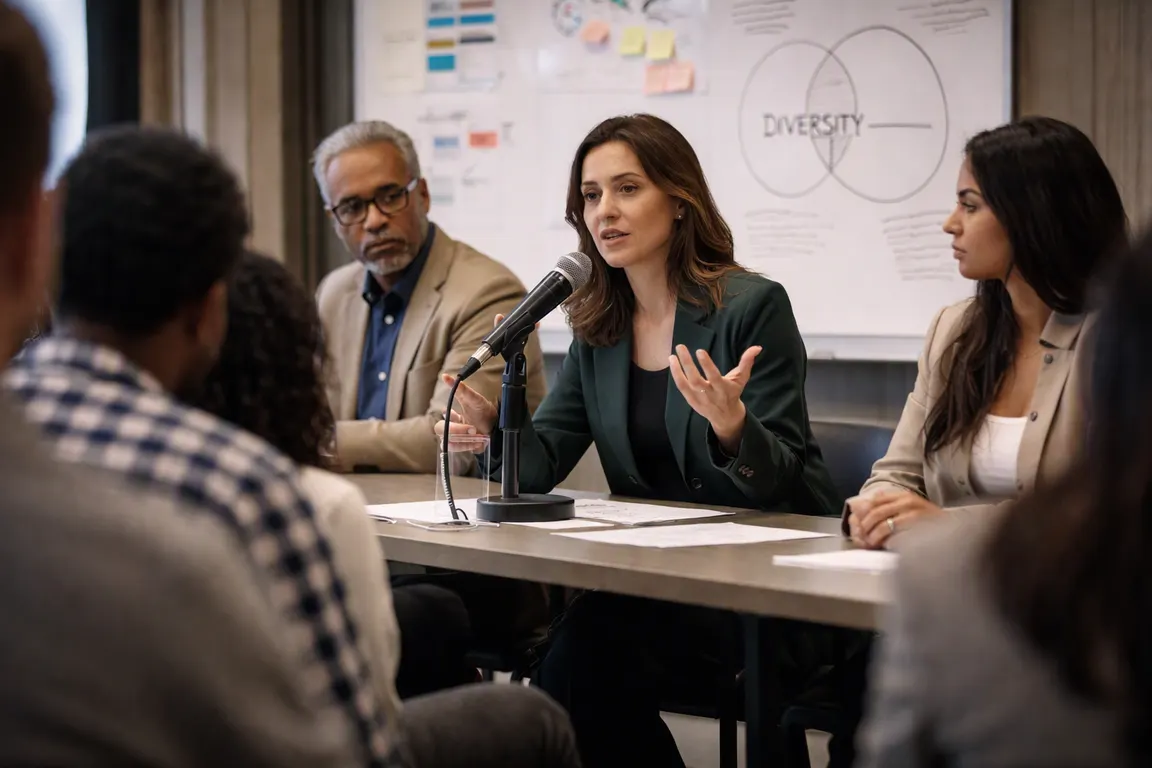
Recent opinion columns in RealClearPolitics and National Review argue that the woke label evolving is not disappearing; instead, it is being repackaged for a new moment.
The debate matters because language shapes public discussion of social‑justice initiatives, corporate diversity programs and related legislation. If “woke” is seen as a mutable descriptor rather than a fixed ideology, policymakers and business leaders may adjust how they frame policies, and voters may reinterpret candidates’ positions on equity issues.
RealClearPolitics published two pieces that complement each other. In “Woke Was Never the Problem,” the columnist suggests that the cultural friction attributed to “woke” is misdirected, implying the label itself is not the source of controversy. A follow‑up, “’Woke’ Is Not Dead,” claims recent events—though unnamed—show the term’s continued relevance in a transformed form.
National Review’s similarly titled article, “’Woke’ Is Not Dead,” echoes the latter argument, emphasizing the label’s endurance while noting its altered connotations. Neither outlet provides concrete examples, dates or data to back the “recent events” they cite, leaving readers without clear evidence of how the term has been repurposed.
The lack of specific illustration makes the argument largely rhetorical. Without examples of corporate ESG disclosures, workplace‑training programs or legislative language that have shifted in response to a redefined “woke,” analysts cannot assess whether the label’s meaning is truly evolving.
Nevertheless, the discourse influences perception. Voters encountering the phrase in campaign ads or news commentary may weigh it differently if they hear that the term is “evolving” rather than “dead.” Companies that have embraced “woke” branding could face reputational recalibration if the label’s meaning softens or broadens, prompting a review of messaging strategies.
Policymakers also monitor the terminology. Legislative proposals on curriculum standards, workplace harassment training or public communications sometimes reference “woke” as shorthand for broader social‑justice concerns. If the definition remains fluid, lawmakers may need to clarify language in bills to avoid ambiguity, potentially affecting the scope and enforcement of future regulations.
The reliance on opinion rather than investigative reporting underscores a broader media pattern: cultural labels are debated in editorial spaces without accompanying empirical evidence. The question remains whether the evolving “woke” narrative will eventually be anchored in concrete policy shifts or stay a circulating buzzword.
Observers will watch for explicit corporate policy updates, changes in legislative language or public statements that define the term clearly. Until such evidence emerges, the claim that “woke” is merely repackaged remains an assertion, inviting further scrutiny of how language shapes, and is shaped by, the cultural and political climate.