

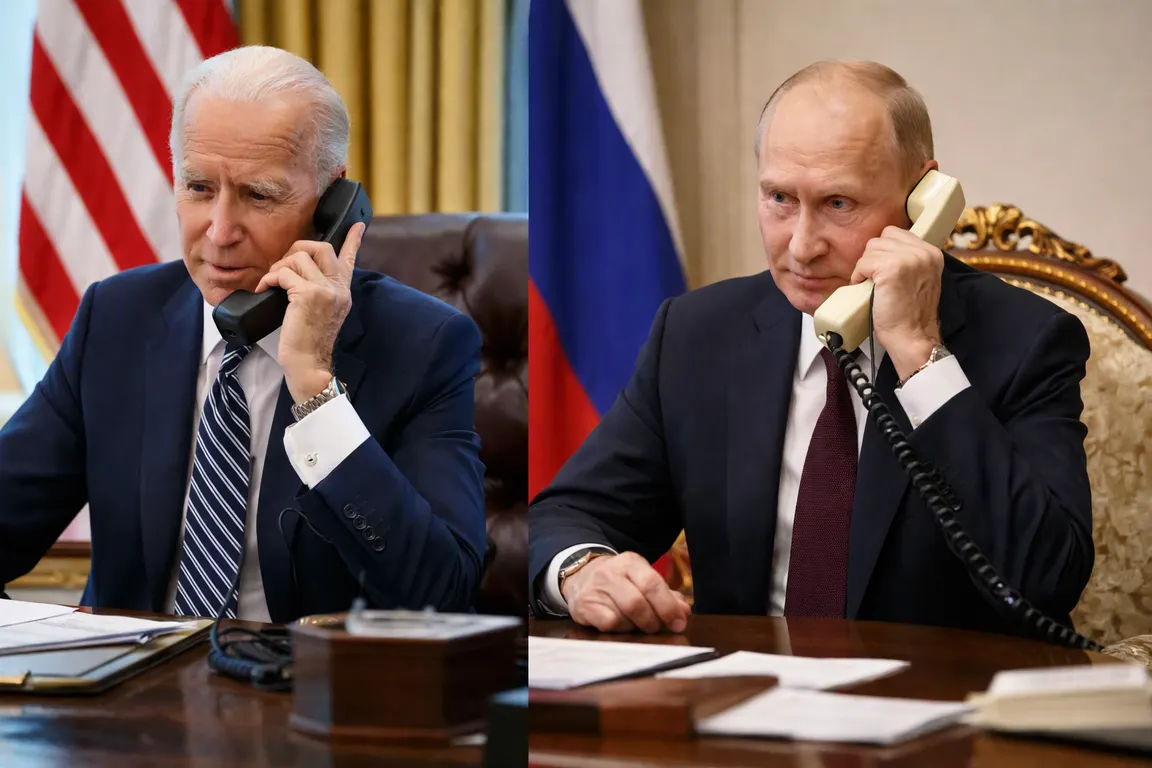
The White House announced on Oct. 5 that the United States will permit a Russian diesel import waiver, citing an effort to ease domestic fuel prices. The decision follows a call between President Joe Biden and President Vladimir Putin in which the two leaders discussed the possibility of Russian diesel reaching U.S. and global markets.
The policy shift comes as U.S. diplomats meet Ukrainian officials to craft a unified peace proposal. Critics question whether the waiver complies with existing sanctions law and warn that additional revenue for Russia could support its war effort. NATO and EU partners have not yet commented publicly.
President Biden said lowering fuel costs for Americans is a priority and the administration expects diesel imports to modestly reduce pump prices. The White House did not provide a specific estimate of the savings. Analysts note that the waiver appears to conflict with sanctions that bar the export of certain Russian energy products, and no detailed legal justification has been released.
Ukrainian President Volodymyr Zelenskyy condemned the move, calling it "unfair" and an "investment in a war that must end." His remarks were reported by several outlets, including The Guardian. Ukraine’s foreign ministry did not respond to requests for comment.
The timing is stark. On Oct. 6, a Russian strike on Kramatorsk killed at least 30 people and injured 18, underscoring the conflict’s ongoing human toll. The next day, senior U.S. envoys met with Ukrainian officials, accompanied by representatives from the European Union and NATO, to discuss a unified proposal for ending the war. Secretary of State Antony Blinken warned that the conflict remains in a "dangerous stalemate" and emphasized the need for a negotiated settlement.
If Russian diesel sales increase, Moscow could see additional state revenue that may be diverted to military spending, a scenario analysts caution could prolong the conflict. At the same time, U.S. consumers could see modest diesel price reductions, though market analysts say the impact will be limited given the small share of Russian diesel in the overall supply chain.
Allied nations face a diplomatic dilemma. The United States’ unilateral waiver diverges from the broader sanctions regimes coordinated by the EU and NATO, raising the prospect of friction within the coalition. No official statements from NATO or EU officials have been released, but the policy is expected to prompt internal reviews of alignment with collective sanction policies.
The next step appears to be a legal review of the waiver’s authority and its compatibility with existing sanctions statutes. Congressional oversight committees have signaled interest, and further clarification from the Treasury Department is anticipated. Meanwhile, peace negotiations between Washington, Kyiv and Moscow continue, with U.S. envoys tasked with balancing the immediate domestic benefit of lower fuel costs against the broader strategic risk of empowering a belligerent adversary.