

White House press pool ban excludes CNN, MSNBC, Politico
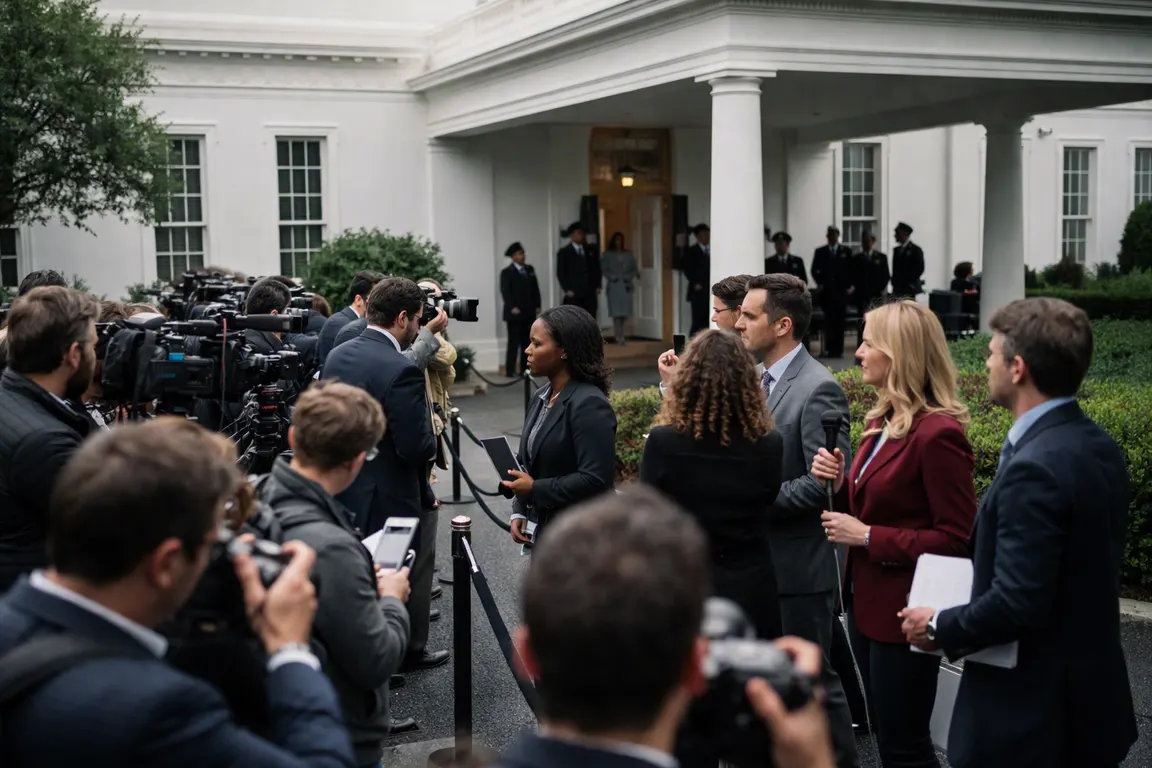
Secretary of State Marco Rubio told NBC’s TODAY program Thursday that the White House press pool ban of CNN, MSNBC and Politico is a communication choice, not a crackdown on the press.
The ban was announced shortly after the administration suspended the traditional presidential press pool and launched an online channel dubbed “Trump TV” to deliver the president’s messaging. Rubio said the move is logistical, stressing that President Trump is not shutting down news outlets or arresting reporters and that there are no "soldiers kicking down the doors" of the excluded media.
Rubio later met with reporters from the barred outlets in New York, a meeting reported by The Independent. In the interview he emphasized that the administration has not issued a formal policy explaining why the three outlets were singled out, and no legal or regulatory change governing White House media access was cited.
For CNN, MSNBC and Politico journalists, the loss of direct White House access means they must rely on secondary feeds or the new “Trump TV” service to cover presidential events. Analysts warn that the shift could reduce the immediacy and depth of reporting, limiting nuance and potentially affecting audience engagement and advertising revenue tied to exclusive White House coverage.
Historically, the press pool has served as a conduit for unfiltered information about the president’s activities. By moving to a curated platform and limiting which outlets can attend briefings, the administration can shape the narrative that reaches the electorate. Rubio insists the restriction does not amount to censorship, but the absence of a clear procedural framework raises questions about accountability and the durability of press‑government relations.
Critics argue the ban sets a precedent for selective media access, blurring the line between strategic communication and suppression. Without a transparent rulebook, future administrations could expand the practice, further narrowing the range of voices reporting from the White House.
Legal scholars note that challenges could arise under the First Amendment if the ban is deemed discriminatory without a compelling governmental interest. The White House has not indicated whether it will revisit the decision or issue a formal policy outlining inclusion criteria.
As “Trump TV” rolls out and the traditional pool remains suspended, the balance between controlled messaging and an open press is likely to become a focal point of ongoing debate.