

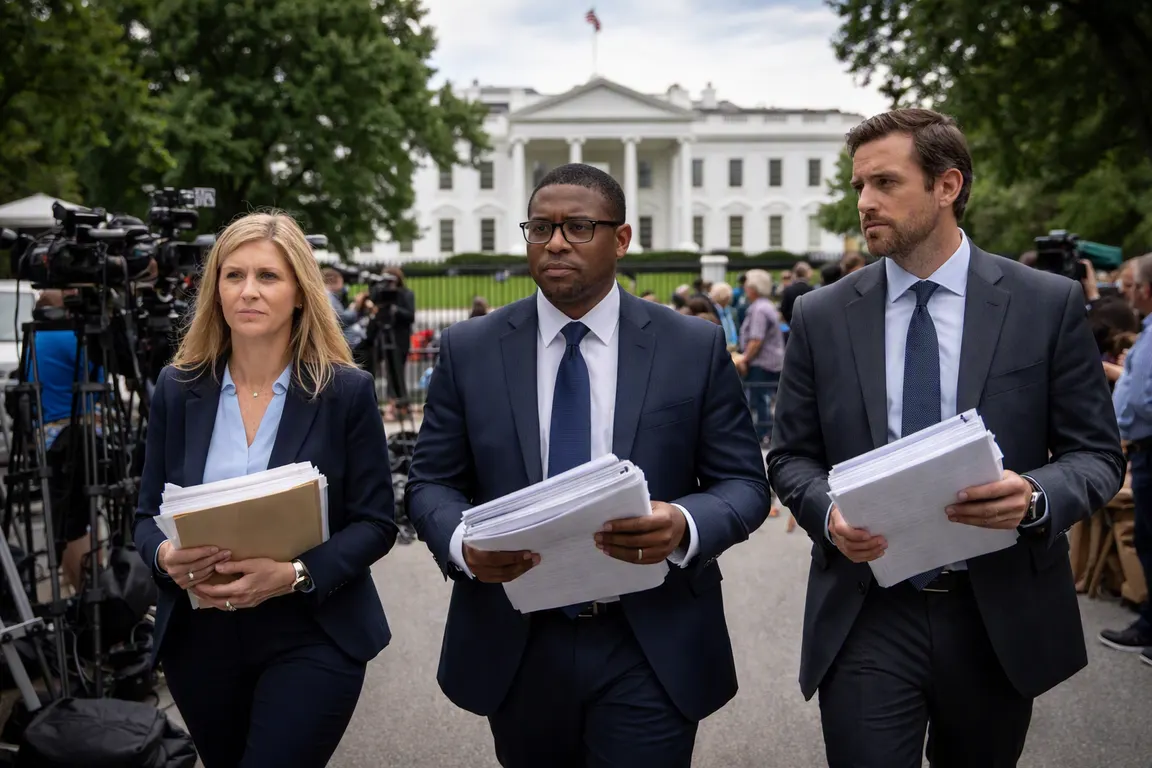
Three news organizations filed a federal lawsuit Monday seeking to lift President Donald Trump’s ban on their White House press credentials, launching a White House press credential lawsuit. CNN, MS NOW and Politico argue the administration’s action retaliates against critical coverage and violates the First Amendment and due‑process protections.
The suit was filed in the U.S. District Court for the District of Columbia as the president prepares to travel to New York for the United Nations General Assembly. With the White House television pool suspended, the dispute raises questions about how the administration will convey its message to the public and whether courts will reaffirm constitutional safeguards for the press.
Trump announced the ban on Friday, saying a “cumulative” stream of stories about his administration had made him “sick of it.” The three outlets were stripped of on‑site credentials that allow reporters to attend briefings and travel with the president. In response, the other members of the traditional TV pool—NBC, ABC, CBS and Fox News—suspended their pool coverage in solidarity, leaving no network to provide live, unified footage of White House events.
In their filing, CNN, MS NOW and Politico contend the ban is content‑based discrimination, which the Supreme Court requires to meet strict scrutiny. They say the president’s rationale bears no relation to a legitimate government interest and instead serves as a punitive measure for critical reporting. The complaint also cites due‑process concerns, noting the outlets received no hearing before their credentials were revoked.
Vice President Mike Vance told NBC News the filing underscores the administration’s “commitment to transparency” and expressed confidence that the courts will protect press freedoms. Legal analysts note the case will likely hinge on whether a president can unilaterally withdraw press privileges without procedural safeguards. Prior decisions, such as *New York Times Co. v. United States* and *Branzburg v. Hayes*, protect the press from government retaliation, but the unique context of White House credentialing could present novel arguments.
The timing is critical. With the UN summit scheduled for next week, the administration must decide how to brief the world on its agenda without the usual pool of broadcasters. Some officials have suggested using recorded statements and social‑media channels, but critics warn that limiting live access reduces the public’s ability to scrutinize diplomatic negotiations in real time.
If the court grants an injunction, the three outlets would regain credential access and the TV pool could resume live coverage. A denial could embolden the administration to expand the ban or apply similar measures to other outlets, potentially fragmenting presidential coverage.
The case has no ruling at the time of reporting. A hearing is expected within the next two weeks, and both sides have indicated they will file additional briefs outlining the constitutional and procedural arguments. The outcome will determine whether traditional press channels remain the primary conduit for presidential communication or whether the White House pivots to more controlled, digital‑only briefings.