

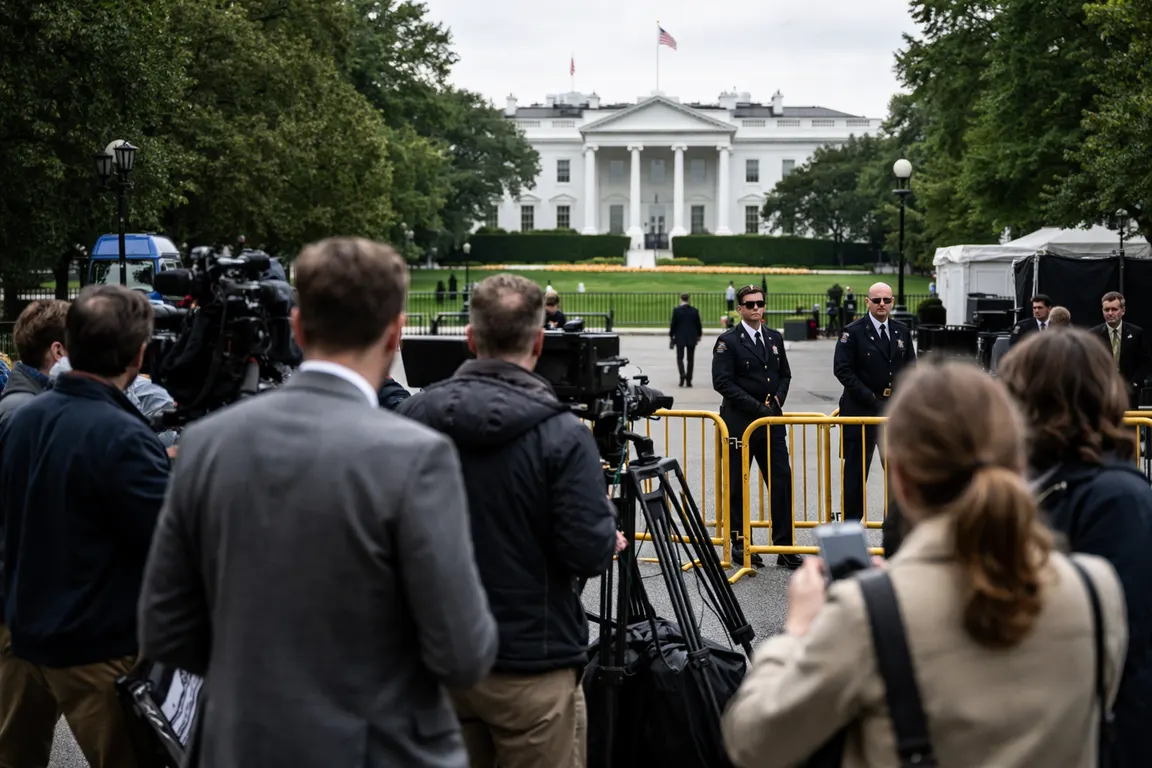
The Justice Department filed a brief Tuesday night defending the White House press ban on CNN, Politico and MS NOW, arguing that press credentials are a revocable privilege that can be withdrawn for national‑security reasons.
The filing, submitted to a federal court in Washington, marks the first time the administration has invoked security concerns to justify a blanket exclusion of news organizations. The three outlets have sued, claiming the bans violate the First Amendment. No judge has ruled yet; the case now hinges on whether the executive can limit press access without a detailed justification.
In its brief, the Justice Department describes White House press credentials as privileges that the president may rescind to protect classified information or operational security. The department does not disclose the specific threats it alleges, citing “national‑security concerns” without further elaboration. The argument mirrors earlier White House statements that the outlets were spreading “falsehoods” about the administration.
Presidents have traditionally upheld broad press access, treating the press corps as a conduit for public information. Legal scholars note that the Supreme Court recognizes a limited right of access for journalists, but that right is not absolute. The current argument pushes the boundary by suggesting the executive can unilaterally revoke credentials on undisclosed security grounds, a stance not previously tested in federal court.
If a court upholds the DOJ’s position, the precedent could allow future administrations to bar outlets deemed hostile, potentially reshaping the relationship between the executive branch and the media. Critics warn that such a shift would erode transparency and limit the public’s ability to scrutinize government actions. Supporters contend the president must retain the ability to protect sensitive information, especially amid rapid news cycles and misinformation.
The lawsuits filed by CNN, Politico and MS NOW allege that the bans constitute unlawful prior restraint. The complaints argue the administration’s rationale lacks the specificity required by First‑Amendment jurisprudence. The cases are pending, and the court has not set a briefing schedule.
The immediate impact on the outlets is the loss of daily briefings, on‑site interviews and the ability to file questions during press conferences. Reporters will have to rely on secondary sources or request access through alternative channels, which could reduce the depth and immediacy of their coverage. The broader media community is watching the case closely, fearing that a ruling in favor of the administration could encourage similar exclusions elsewhere in the federal government.
A hearing is scheduled for later this month, during which the court will consider the parties’ arguments and decide whether to require the administration to produce a more detailed justification for the bans. Until a ruling is issued, the status of White House access for the three outlets remains in limbo, leaving journalists and the public uncertain about the future of executive‑media relations.