

Federal Court to Hear Challenge to White House Press Ban
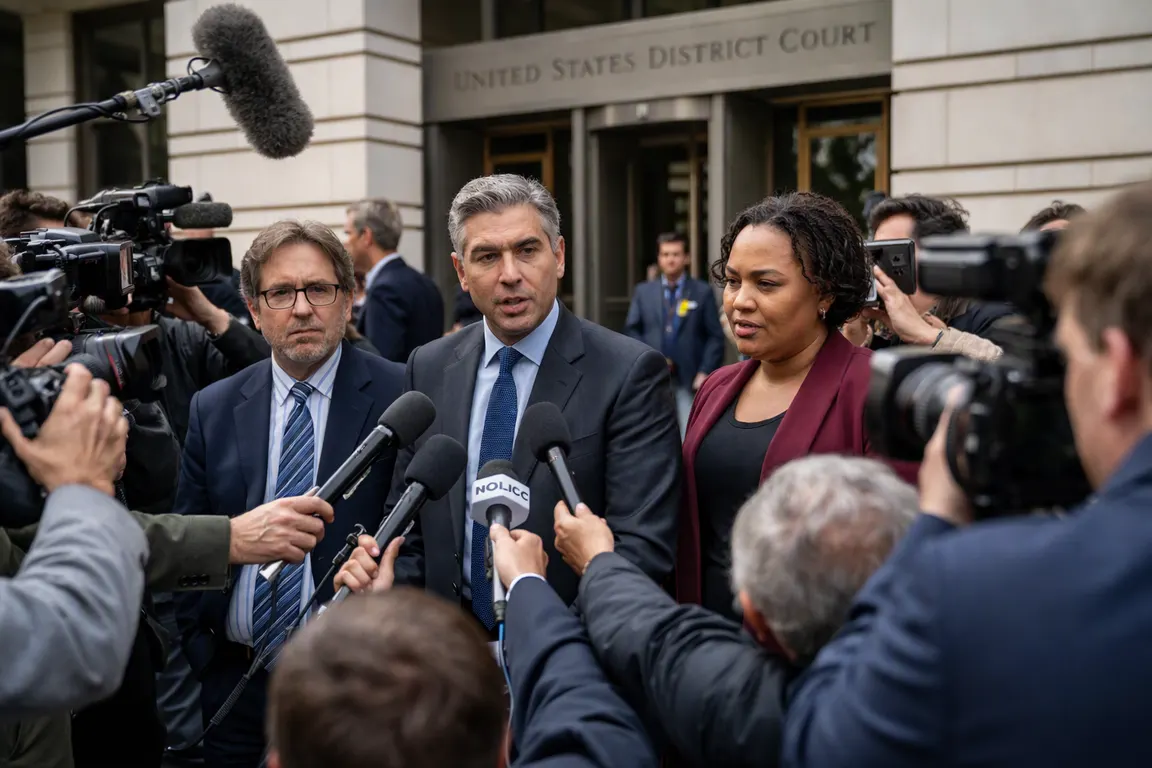
A federal district court will hear arguments Wednesday on the Justice Department’s defense of the White House press ban on CNN, Politico and MS NOW. The administration says on‑site press access is a “privilege” that can be limited for national‑security and decorum reasons, a claim the three outlets argue violates the First Amendment and due‑process protections.
The case could define the boundary between executive control of the presidential press pool and constitutionally guaranteed press freedom. If a court accepts the privilege argument, future presidents may be able to bar news organizations from the White House without clear judicial review, narrowing the public’s real‑time view of government actions.
The Justice Department’s brief, filed Tuesday, asserts that the president concluded the three outlets failed to meet “basic minimum standards of professionalism and decorum.” It frames the ban as a security measure tied to ongoing concerns about the Iran‑War context, but offers no specific incident or threat to substantiate the claim. Trump’s lawyers echo the administration’s stance, rejecting the notion that the ban is retaliation for “fake news” and emphasizing a need to protect national‑security interests.
CNN, Politico and MS NOW sued in federal court, alleging that the ban infringes on their First Amendment right to gather news and on procedural due‑process rights. They will argue that the executive’s justification is overly broad and lacks concrete evidence, making the policy unconstitutional. The lawsuit does not challenge the broader White House press pool system, only the exclusion of the three organizations from on‑site access. While the outlets can still report from elsewhere, the loss of direct access limits their ability to provide immediate, in‑person coverage of presidential events.
Legal scholars note that the government has historically exercised limited control over press pool credentials, but such control has been subject to judicial scrutiny when it appears to target specific outlets for political reasons. The DOJ’s reliance on “privilege” rather than a recognized legal right raises questions about the standard of review the court will apply. The brief does not cite any statutory authority that expressly grants the president power to bar accredited journalists, leaving the argument largely grounded in executive discretion.
If the court sides with the administration, the precedent could empower future presidents to invoke vague security or decorum rationales to restrict press access, potentially reshaping the press pool’s composition. Media organizations warn that such a shift would diminish the diversity of coverage from the White House and could affect advertising revenue tied to exclusive on‑site reporting. Conversely, a ruling that the ban violates constitutional protections would reinforce judicial checks on executive claims of privilege and preserve broader access for the press.
The Wednesday hearing will be the first substantive test of the administration’s privilege argument. The judge is expected to issue a decision on the merits later this year, though a preliminary injunction could be sought to restore on‑site access while the case proceeds. The outcome will signal how aggressively the courts are willing to intervene when the executive branch seeks to limit the press’s physical proximity to the president, and it will shape the operational landscape for White House reporting in the months ahead.