

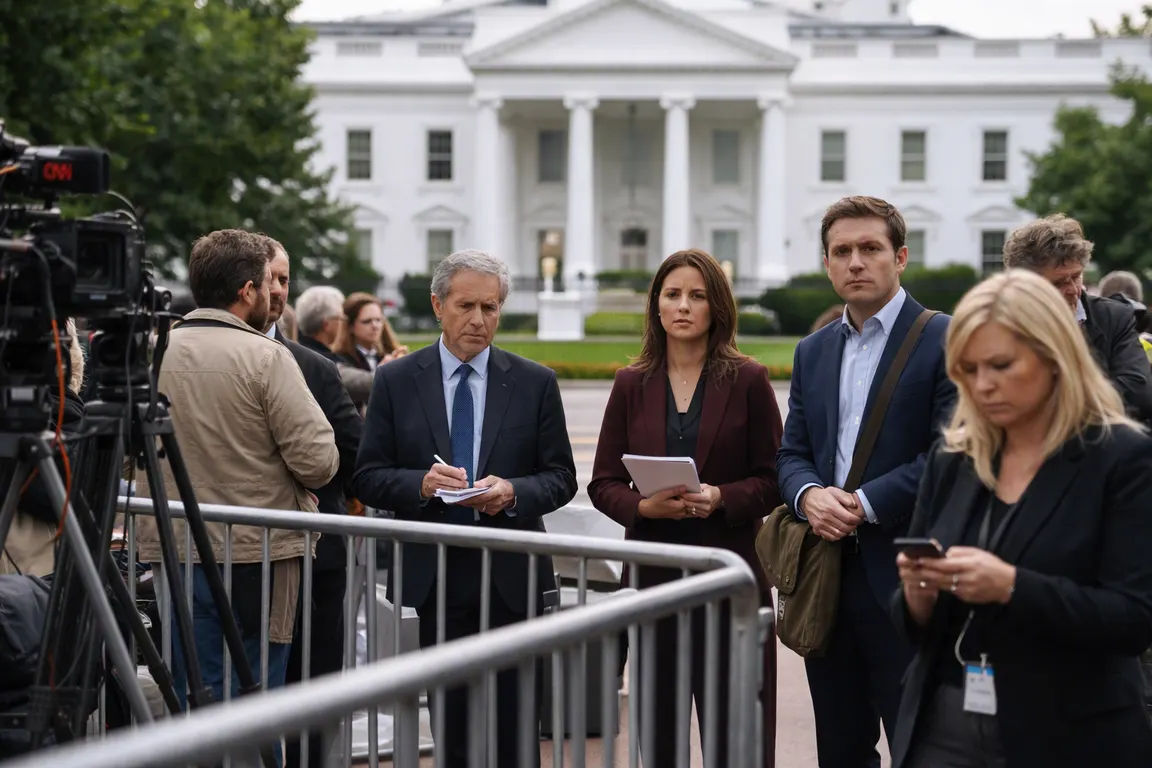
Federal Judge Timothy Kelly on Wednesday left in place the White House press ban on CNN, MSNBC and Politico, while signaling that the procedural basis of the action remains in question.
The case centers on whether the administration can bar major news outlets on national‑security grounds without first satisfying the notice‑and‑comment requirements that govern credentialing. A ruling that upholds the ban would give future administrations broader latitude to limit press access; a finding that the revocation violated procedural safeguards would reinforce protections for a free press.
The Department of Justice defended the ban on Tuesday, arguing that the three outlets posed a security risk that justified immediate removal of their credentials. The DOJ did not disclose the evidence it relies on, citing ongoing investigations, and framed the move as a protective measure for the president and staff.
Judge Kelly asked whether the administration provided the required notice, an opportunity for the outlets to respond, and a clear statutory authority for the revocation. He noted that the Administrative Procedure Act and prior court decisions generally require agencies to follow notice‑and‑comment procedures before denying a benefit such as a press pass.
At present, CNN, MSNBC and Politico reporters are barred from direct White House access. They must attend briefings from the public gallery or rely on statements released through the White House communications office. Those channels lack the immediacy and follow‑up questioning that on‑site reporting provides, potentially limiting the depth and speed of coverage of executive actions.
Media analysts say the dispute could reshape credentialing practices across the federal government, affecting not only the White House but also agencies that grant press passes for national‑security facilities. Press‑freedom advocates warn that prolonged denial of access may have a chilling effect on coverage of the administration.
Legal scholars point to the Administrative Procedure Act, which requires agencies to give notice and an opportunity to comment before denying a benefit. The administration’s reliance on an “urgent‑need” exception has been contested, and the judge’s remarks suggested that the exception may not apply without explicit statutory language.
No final judgment has been issued. Judge Kelly left the ban in effect and indicated that a written opinion will be issued in the coming weeks. The timeline for a definitive ruling remains uncertain, leaving the affected outlets and their audiences in limbo.
Observers stress that the outcome will be watched closely by journalists nationwide. The case tests the balance between executive discretion in matters of security and judicial oversight of administrative action, and it could set a benchmark for how national‑security claims are weighed against the constitutional guarantee of a free press.
A tentative hearing on the final opinion has been scheduled for the next few weeks, after which the court will determine whether the White House can continue to bar the three outlets without adhering to established procedural safeguards.