

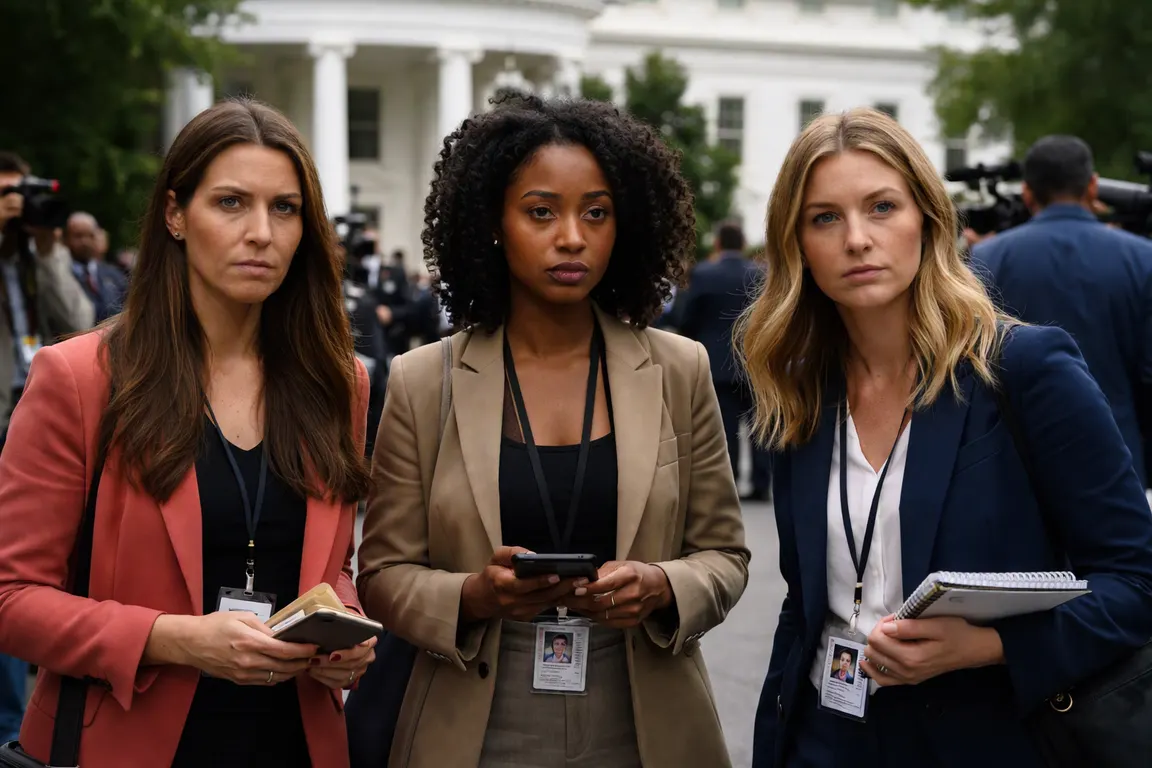
Three news organizations – CNN, the conservative outlet MS NOW and Politico – filed a federal lawsuit on Monday after the White House deactivated their press badges on Saturday, barring reporters Betsy Klein, Akayla Gardner and Cheyenne Haslett from the executive mansion. The suit, filed in the Eastern District of Washington, seeks a temporary restraining order and alleges unconstitutional viewpoint discrimination. This White House press badge lawsuit raises immediate First Amendment concerns.
The badge revocation coincided with the shutdown of the White House television pool, a joint arrangement among the five major broadcast networks. Fox News Washington bureau chief Bryan Boughton said no substitute feed will be provided, leaving the public without live video of briefings and press conferences. The Associated Press, The Washington Post, The New York Times and other outlets announced a news‑photo boycott in solidarity, widening the communications fallout for the administration.
Legal experts say the case will be evaluated under the "strict scrutiny" standard applied to content‑based restrictions on speech. That standard requires the government to show a compelling interest and that the action is narrowly tailored. Jameel Jaffer of the Knight First Amendment Institute, filing an amicus brief, called the badge deactivation a "flagrant violation" of constitutional protections. The suit is assigned to U.S. District Judge Timothy Kelly, a Trump appointee.
President Trump announced the ban on his Truth Social platform on Sunday, accusing the three outlets of "fake news" and "one‑sided coverage." A White House post on X later clarified that while the First Amendment protects the right to publish, it does not guarantee a "hard pass" to briefing rooms or pool seats. The administration framed the decision as an editorial judgment about news quality rather than a selective restriction of speech.
The immediate impact on journalists is clear. Without on‑site access, CNN, MS NOW and Politico lose the ability to file live reports, conduct impromptu interviews and capture video that feeds the broader news ecosystem. Their reporters must now rely on secondary sources or remote feeds, which could delay reporting and reduce coverage depth.
For the viewing public, the suspension of the TV pool eliminates a primary source of live presidential footage, limiting transparency and the ability to assess the administration’s actions in real time. Other broadcasters face operational dilemmas; while Fox has opted not to replace the feed, some networks are considering independent coverage, a move that could strain resources and affect advertising revenue.
Courts have historically upheld the president’s authority to control physical security and logistics at the White House, but they have struck down overtly discriminatory practices that target specific viewpoints. Judge Kelly’s ruling could clarify the line between legitimate security concerns and unconstitutional viewpoint discrimination, shaping how future administrations manage press credentials.
The lawsuit’s next step is a hearing on the temporary restraining order request, scheduled for later this week. If the court grants relief, the three outlets could regain badge access and the TV pool might resume, restoring live coverage. A denial would keep the legal battle alive, potentially moving to appellate courts and setting a national precedent on press freedom within the executive branch.