

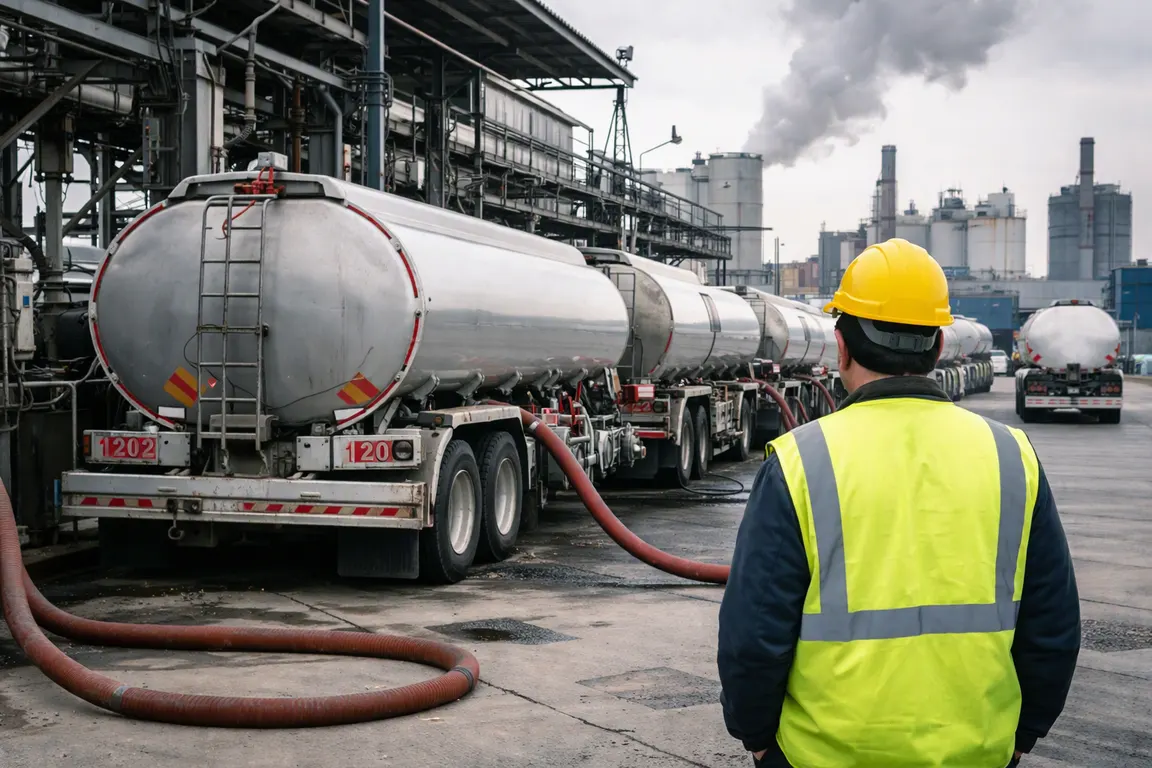
The White House issued an executive order on Friday that suspends the Russia diesel sanctions pause for 60 days, allowing the administration to assess the economic impact of a temporary influx of Russian diesel on U.S. fuel prices.
President Donald Trump signed the order after weeks of reports that a deal with President Vladimir Putin could permit Russian diesel shipments to enter the United States. The September sanctions targeted Russian officials, oligarchs, financial institutions and buyers of Russian oil and gas. Secretary of State Marco Rubio said the pause is intended to "analyze" market effects amid heightened volatility from the Iran‑U.S. conflict and Houthi attacks on Saudi facilities.
Republican senators Thom Tillis and Ted Cruz criticized the move, warning it could undermine the broader strategy of financially isolating Russia. Ukrainian President Volodymyr Zelensky called the decision a "reward" for Putin and cautioned that it may set a precedent for further relief.
Industry groups note that trucking, agriculture and construction sectors have been hit by rising diesel costs. If Russian diesel reaches U.S. refineries, the added supply could temper price spikes for freight operators and farmers, potentially lowering the cost of goods transported nationwide. Analysts say any relief at the pump will depend on the volume of imports and how quickly the product is distributed.
Critics argue the pause creates a loophole that could allow Russia to continue earning hard currency from fuel sales, weakening the sanctions regime designed to fund the war in Ukraine. The administration has not released estimates of how much diesel is expected to be imported, leaving the net effect on both the U.S. market and Russian war financing uncertain.
The decision comes as global oil markets face additional pressure from Middle‑East tensions, including Iranian actions and Houthi strikes on Saudi oil infrastructure. Rubio linked those external shocks to the need for a more diversified supply base, suggesting Russian diesel could act as a buffer against sudden price spikes.
The White House has pledged to publish a report on the economic outcomes of the 60‑day pause before the period ends. Lawmakers from both parties are expected to review the findings, and Congress may consider adjustments to the sanctions framework ahead of the November midterm elections. For now, U.S. diesel‑dependent industries are in a holding pattern while the broader debate over sanctions as a foreign‑policy tool continues.