

White House Mulls Russian Diesel Imports, Faces Pushback
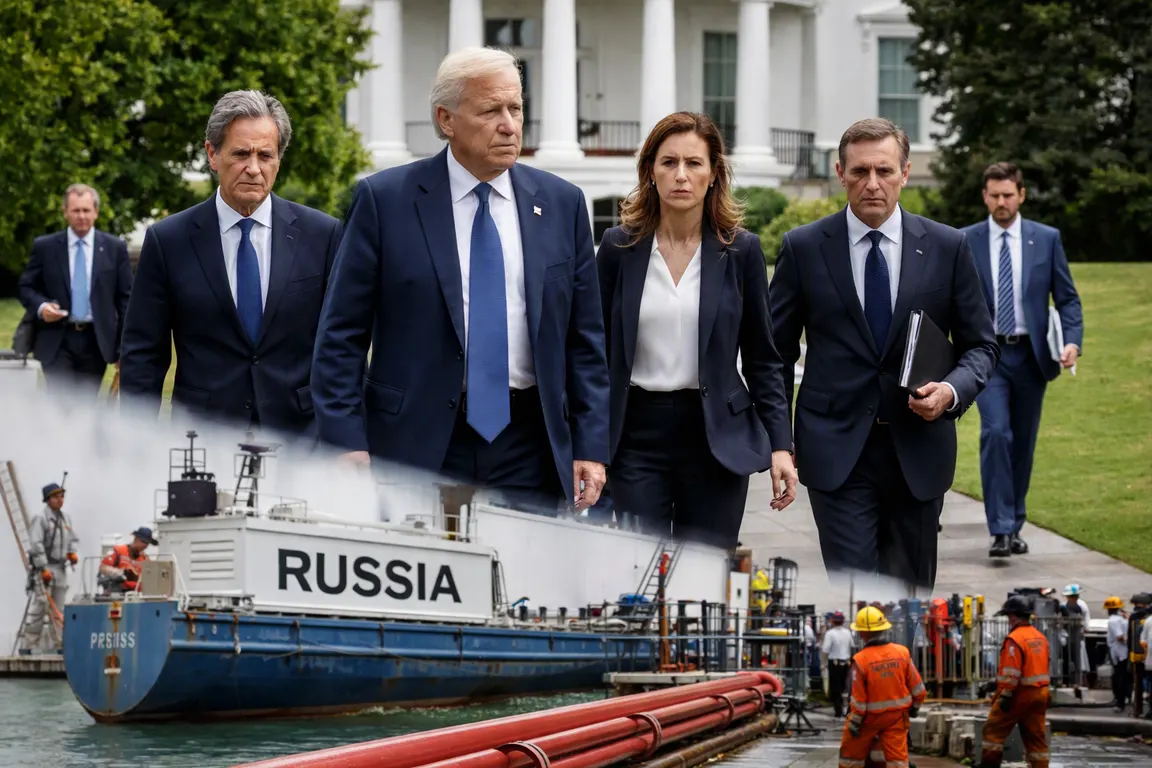
The White House is exploring a plan to buy diesel fuel from Russia for domestic use, a move that has drawn sharp criticism from Ukraine and European allies. Administration officials say the proposal is part of an "energy ceasefire" aimed at reducing overall reliance on Russian energy. President Donald Trump announced the idea without providing details on volume, price or timing, even as Russia continues its fifth year of war in Ukraine.
Ukrainian President Volodymyr Zelensky condemned the plan, arguing that U.S. purchases would undercut sanctions that limit Moscow's ability to fund its military. European officials echoed the concern, warning that an American deal could weaken the coordinated sanctions regime the European Union has built around Russian energy imports.
Critics note that diesel is already subject to sanctions, and importing it could create a new revenue stream for Moscow while signaling a softening of the sanctions stance. The Wall Street Journal reported public outrage in the United States, describing the proposal as a moral concession to a nation engaged in active aggression.
Analysts say the diesel idea may be more about domestic political signaling than a substantive shift in energy policy. RealClearPolitics called it a peripheral issue that distracts from broader strategies to end the conflict, while Al Jazeera highlighted a growing rift between Washington and Brussels. EU officials stress that any unilateral American purchase would compromise Europe's energy‑security calculations, which rely on limiting Russian fuel flows to keep prices stable and maintain pressure on Moscow.
If the United States were to import Russian diesel, it could lower global diesel prices and benefit U.S. consumers in the short term. At the same time, reduced Western demand might lessen Russia's incentive to curb oil and gas production, weakening the overall impact of sanctions. European fuel markets, already sensitive to Russian supply shocks, could see further volatility if the United States enters the market.
The proposal comes amid ongoing U.S.–EU talks aimed at aligning sanctions and energy‑policy measures. Both sides have expressed a desire to present a united front, but the diesel plan adds a new variable that could test that partnership. No contract details have been released, and officials say the discussion remains exploratory.
The next step is expected to be a high‑level dialogue between the White House and European Commission officials to determine whether the diesel import concept can be reconciled with existing sanctions frameworks. Until that conversation yields a clear outcome, policymakers, industry participants and consumers will be watching for any shift that could reshape the delicate energy tug‑of‑war between Washington, Kyiv and Brussels.