

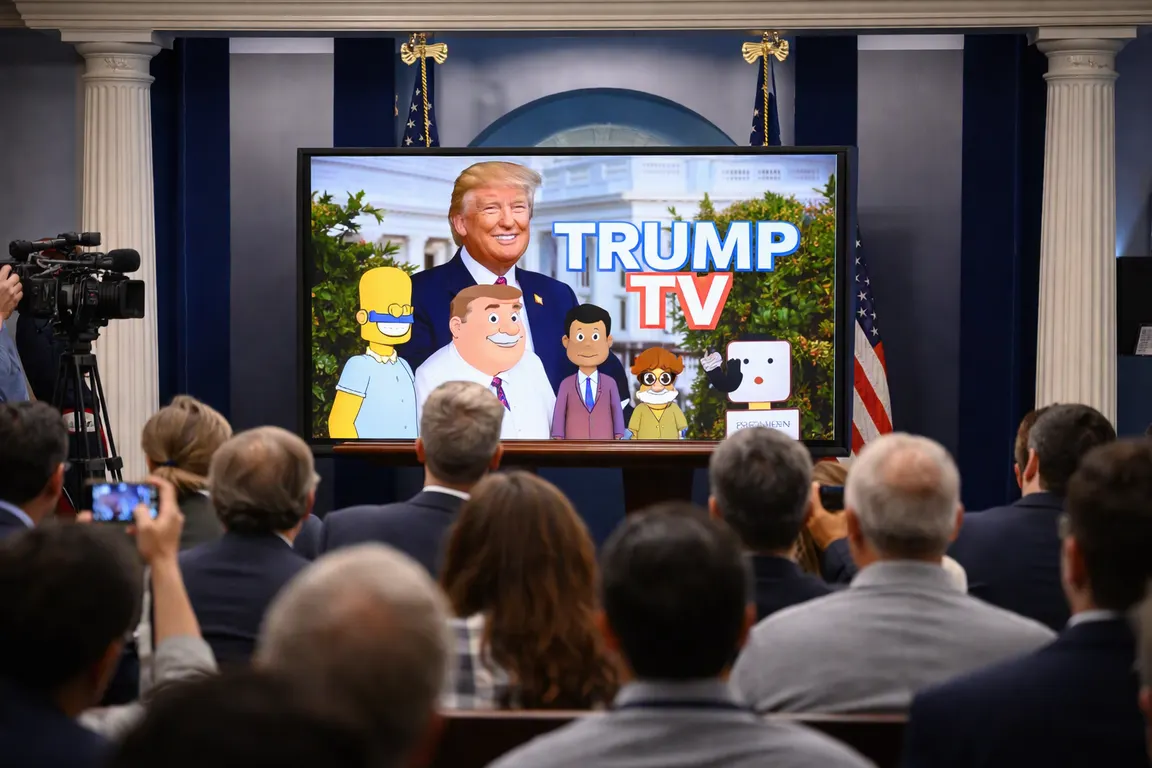
The White House unveiled a government‑run TV channel, dubbed “Trump TV,” days after it barred several major news outlets from its press briefings. The launch was accompanied by a promotional video that stitched together clips from popular shows such as *The Simpsons*, *Family Guy*, *Modern Family* and *Breaking Bad*. The video was intended to draw viewers with familiar pop‑culture references, but it also raised immediate questions about the use of copyrighted material.
By creating its own broadcast platform, the administration is sidestepping the traditional press pool that has long served as the primary conduit for presidential communications. The move follows an early‑May decision to exclude outlets including MSNOW, CNN and Politico from White House briefings, a step reported by Al Jazeera as the catalyst for the new venture.
Legal scholars note that no legislation or executive order currently authorizes a permanent government‑run television network. The channel appears to be an ad‑hoc use of existing executive communications resources rather than a statutorily mandated entity. That lack of formal authorization fuels concern among media watchdogs that the outlet could blur the line between official information and state propaganda, although no formal complaints have been filed yet.
Traditional news outlets stand to lose a high‑profile venue for covering White House activity. The ban on several outlets already limits their access to live briefings, and the emergence of a government‑controlled channel further narrows the avenues through which independent journalists can relay presidential statements to the public. Industry observers warn that reduced exposure could affect advertising revenue and audience reach for those outlets, while also diminishing the diversity of perspectives available to viewers.
From a public‑interest standpoint, the channel’s existence could shape how Americans assess policy decisions. If presidential messaging is filtered through a platform that lacks editorial independence, citizens may receive a narrower view of government actions, potentially limiting exposure to critical analysis or dissenting viewpoints. Supporters argue that a direct channel ensures unmediated delivery of official information, reducing the risk of misinterpretation by third‑party reporters.
The Independent reported that the channel’s first‑week audience was “tiny,” noting that viewership data have not been released by the administration and that the programming schedule remains opaque. Oversight mechanisms are unclear; existing federal communications regulations do not specifically address a dedicated presidential television network.
Media watchdog groups have signaled intent to monitor the channel for bias, but formal oversight structures have yet to be articulated. The next step for policymakers and civil‑society organizations will be to determine whether existing transparency and accountability frameworks can be extended to cover this new outlet, or whether new legislation will be required to safeguard press freedom and preserve an independent media ecosystem.