

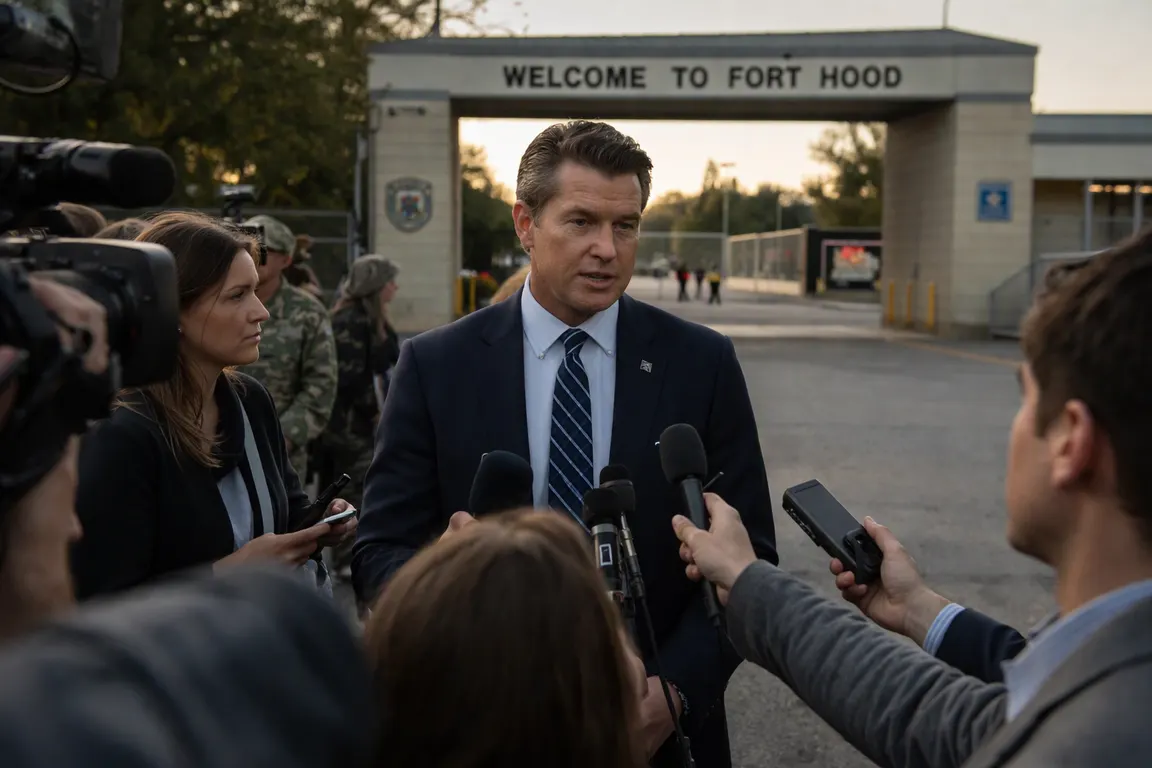
The White House execution livestream of former Army psychiatrist Nidal Hasan was cancelled on Wednesday, reversing an earlier announcement by Defense Secretary Pete Hegseth. The decision was explained only as a response to “some would rather not watch,” with no further details provided.
Hasan, who killed 13 people and wounded more than 30 at Fort Hood in November 2009, is set to become the first service member executed by firing squad in over six decades. The cancellation shifts the event from a public broadcast to a private execution, raising questions about governmental transparency, the wishes of victims’ families, and the purported deterrent effect of broadcasting capital punishment.
Advocates of openness argue that visibility underscores the seriousness of the penalty, while opponents contend that a broadcast could retraumatize survivors and offers no clear security benefit. Defense officials have not offered a detailed rationale for the change, leaving the operational reasoning unclear.
The American Conservative noted the reversal of Hegseth’s earlier statement, suggesting an internal policy reassessment. The Guardian reported bipartisan approval of the decision, though its coverage also included unrelated commentary on a South‑African refugee program.
Democratic Sen. Elissa Slotkin called the original broadcast plan “sick,” emphasizing the need to protect the dignity of victims and their families. Rep. John Curtis, a Republican, said a live broadcast would not serve as a deterrent. Both statements reflect a shared political calculus: the administration must balance constituent reactions while avoiding the appearance of exploiting a tragedy for publicity.
For the families of the 13 victims, the cancellation offers a measure of privacy and respect. Military spokespersons have not indicated whether service members will be allowed to observe the execution or if it will be limited to officials, but they affirmed that the procedure will follow established legal protocols.
The episode also highlights the lack of clear legal guidelines governing media coverage of military executions. Department of Defense policies address the conduct of the execution itself but do not specify whether live transmission is permissible. The absence of precedent may have contributed to the administration’s cautious stance.
As Dec. 3 approaches, attention will shift from how the execution is presented to whether the decision influences future policy on transparency and capital punishment. Lawmakers are likely to seek clarification from the Pentagon or the Justice Department on the criteria used to evaluate public broadcast requests. The outcome could shape how the government handles similar decisions involving highly sensitive criminal proceedings.