

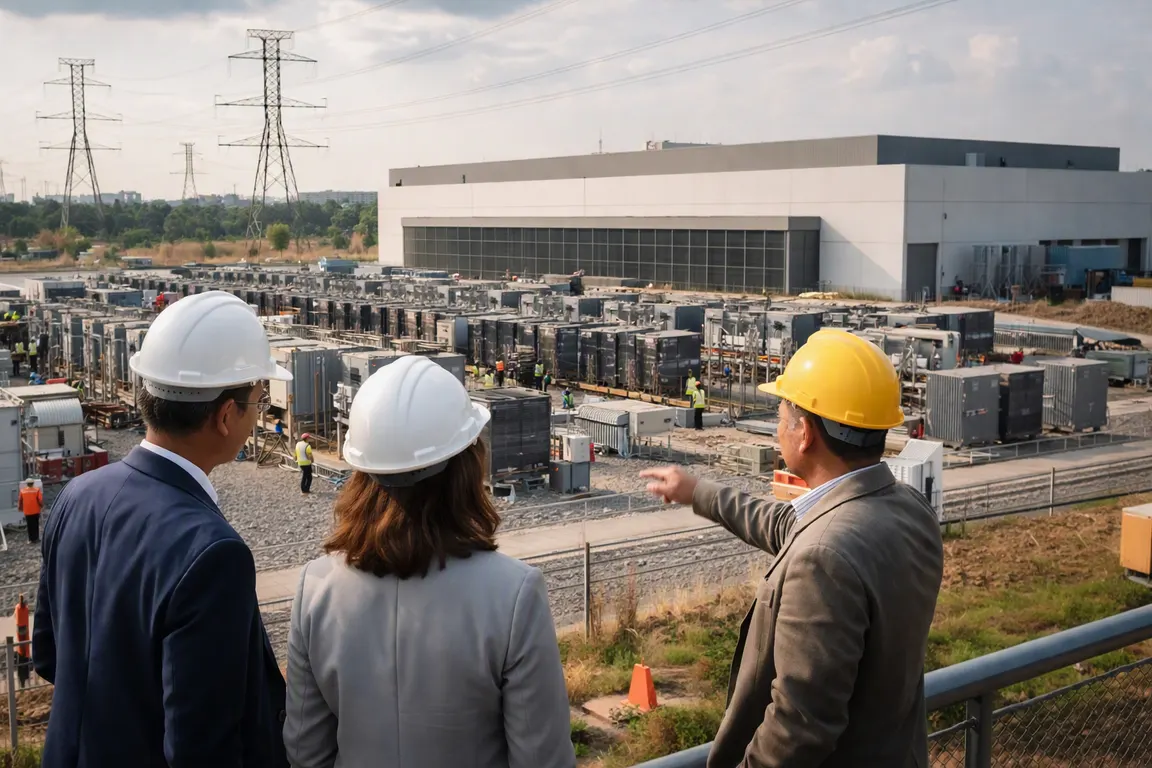
The White House announced a nationwide effort to support data center expansion, prompting lawmakers from both parties to question whether local electric grids, zoning rules and community interests can accommodate the build‑out.
Administration officials say the initiative will spur economic growth and keep the United States competitive in the digital economy. Utilities and municipal planners, however, are already dealing with rising electricity demand and limited bandwidth for new large‑scale facilities. Critics warn that a rapid expansion could strain power infrastructure, depress property values and trigger a wave of regulatory reviews.
Representative Alexandria Ocasio‑Cortez mocked the plan on social media, suggesting a data center be built at Mar‑a‑Lago. An unnamed Republican lawmaker expressed doubts about the proposal, indicating dissent within the administration’s base. Both remarks were reported by The Independent World, which noted bipartisan opposition despite the absence of formal legislation.
The debate centers on three interrelated concerns. First, modern data centers consume substantial electricity; a single facility can use as much power as a small city. Many local utilities operate near capacity and have not received a coordinated federal plan outlining how additional load would be met. Without clear funding mechanisms or grid‑upgrade commitments, municipalities risk blackouts or costly rate hikes.
Second, zoning and land‑use regulations vary widely across states and counties. Communities that have already accommodated industrial projects often impose strict environmental reviews, noise limits and traffic assessments. Opponents argue a top‑down push could bypass these local safeguards, undermining public participation and eroding trust in government.
Third, the economic promise of new data‑center construction—jobs in construction, engineering and ongoing operations—must be weighed against potential downsides. Property owners near proposed sites have expressed concern that large facilities could depress real‑estate values, while residents worry about increased traffic and the visual impact of massive server farms. The lack of concrete site locations or funding details leaves these impacts speculative.
Industry analysts note the United States already hosts a dense network of data centers, many clustered in regions with abundant cheap power, such as the Pacific Northwest and parts of the Southeast. A federal incentive program could shift development toward underserved areas, but only if infrastructure upgrades accompany the investment. At present, no budgetary allocations, timelines or bills have been disclosed.
Lawmakers are likely to seek clarity on several fronts. Congressional committees overseeing energy, commerce and transportation may request detailed impact studies, and state utility commissions could demand assurances that grid reliability will not be compromised. The White House has not indicated whether it will issue guidance on permitting processes or coordinate with local governments to address community concerns.
The next step appears to be a series of hearings that could shape any future legislative framework. Until concrete funding, site‑selection criteria and regulatory pathways are articulated, the data‑center expansion remains a contested vision, with bipartisan legislators poised to influence whether the promise of technological growth aligns with public‑interest priorities such as safety, infrastructure resilience and local autonomy.