

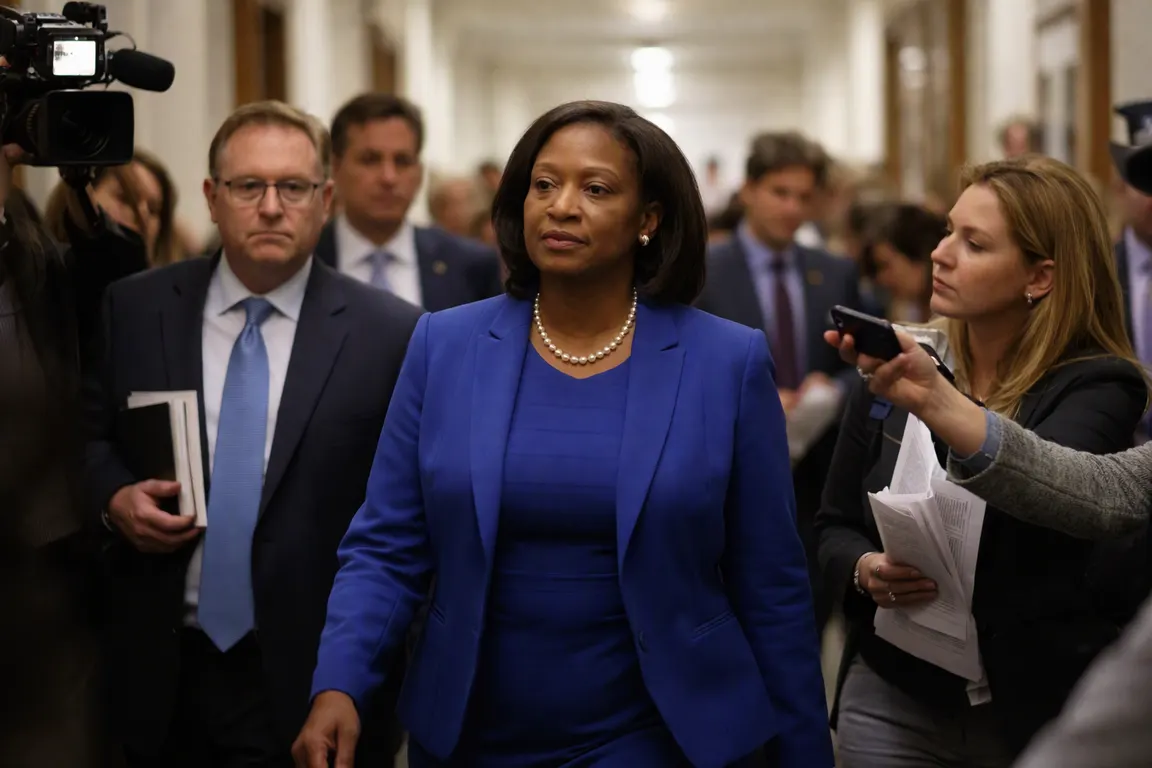
President Donald Trump announced on Oct. 9, 2026 that a White House committee will hold a hearing on the Fed Governor Lisa Cook hearing over an alleged false statement on a mortgage residence. The memorandum, signed by the president, names three members – economist Kevin Hassett, acting Office of Government Ethics director Keith Sonderling and EEOC chair Andrea Lucas – and schedules an in‑person hearing for Nov. 5, 2026 at the White House. Cook may also submit a written statement and appear before the panel.
The move revives a constitutional clash that began in 2025, when the Trump administration sought to remove Cook based on a purported false residence declaration in a mortgage document. The effort was halted by a Supreme Court majority opinion authored by Chief Justice John Roberts, which affirmed statutory protections for Federal Reserve independence and clarified that removal of a governor requires a clear “for‑cause” determination. Legal scholars say the new committee tests the limits of presidential authority over an agency designed to operate insulated from partisan pressure.
Cook, confirmed by the Senate in 2022, has denied the allegations. Her legal team argues the claims are unfounded and constitute political interference. The administration’s case rests on a criminal referral from Federal Housing Finance Agency director William Pulte, who cited the mortgage discrepancy as evidence of intentional misrepresentation. No comment was obtained from Cook’s lawyer at the time of reporting.
The stakes extend beyond a single governor’s tenure. Federal Reserve credibility depends on the perception that its decisions are driven by economic, not political, considerations. A credible threat to that independence could ripple through bond markets, where yields rise when investors doubt the central bank’s autonomy, and could depress the dollar as foreign investors reassess risk. Borrowers and mortgage holders may also feel uncertainty if policy actions appear subject to political whims, potentially influencing credit conditions.
The committee’s composition underscores the administration’s intent to frame the inquiry as an ethics and governance matter rather than pure partisanship. Hassett, a longtime Trump adviser, brings a fiscal‑policy perspective; Sonderling, as acting director of the Office of Government Ethics, adds a compliance veneer; Lucas, heading the EEOC, signals attention to workplace‑related disclosures. Their combined expertise may shape the line of questioning, focusing on the alleged false residence claim and its broader implications for the Fed’s disclosure standards.
If the Nov. 5 hearing results in a recommendation for removal, the administration would still need to meet the “for‑cause” threshold defined by the Supreme Court. Legal analysts note that any further attempt to dismiss Cook without meeting that standard could trigger another judicial review, potentially setting a new precedent for executive control over independent agencies.
Presidents have rarely succeeded in removing Fed governors. The last successful removal occurred in 1979, when President Carter dismissed a board member for misconduct, a move that sparked intense debate but ultimately upheld the principle that the Fed must remain insulated from direct political pressure. The current episode revives that debate, highlighting how modern administrations may use investigative committees to exert influence without overt dismissal.
The Nov. 5 hearing will be the first public test of the Supreme Court’s 2025 ruling. Observers expect the committee to request a detailed written response from Cook, followed by a several‑hour questioning session. The outcome—whether a recommendation for removal, a dismissal of the allegations, or a continuation of the inquiry—will shape the next chapter in the ongoing tug‑of‑war between the executive branch and the nation’s central bank.