

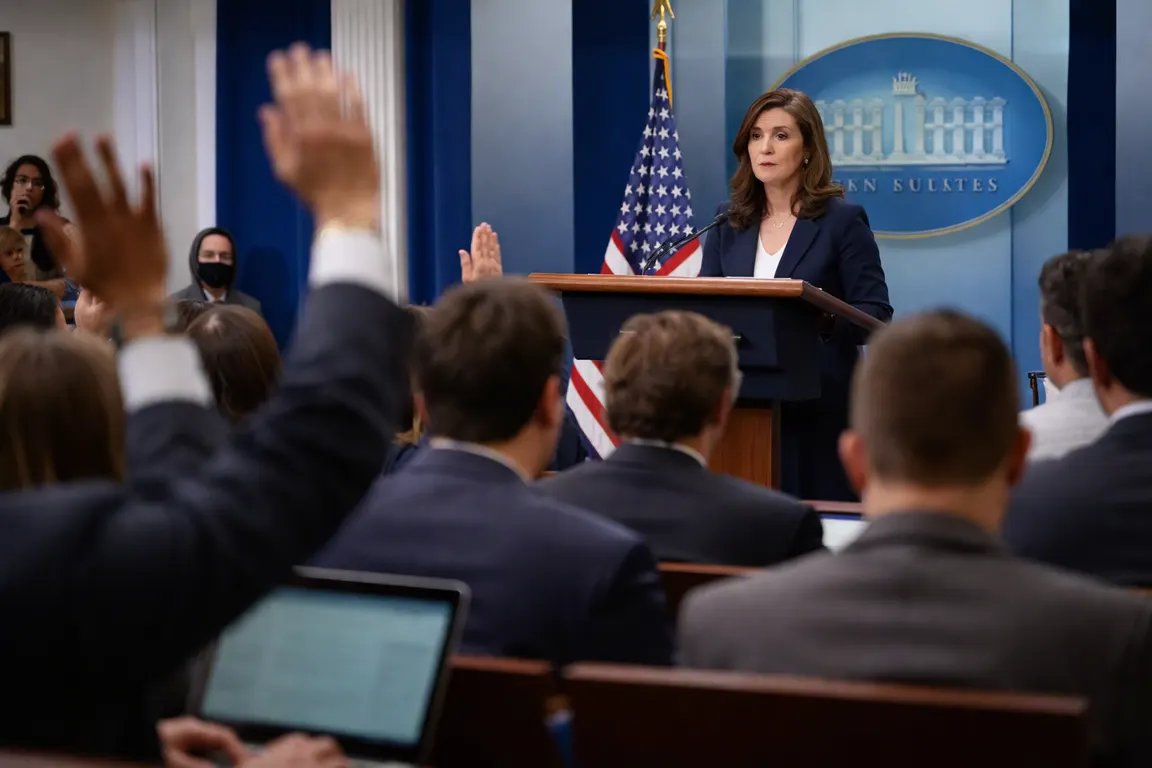
White House briefing transparency came under scrutiny after press secretary Katie Zacharia held a 14‑minute briefing on Tuesday, June 4. She answered three reporters' questions before ending the session, and the tightly scripted format drew analysts' concerns about clear and reliable communication.
The briefing contained no new policy announcements. Instead, Zacharia announced that senior adviser Kimberly Guilfoyle had been asked to resign. Focusing on a personnel change rather than substantive policy sparked concerns about the public’s access to timely information.
Zacharia’s appointment followed a rapid hiring process that filled the role in less than a week, according to the New York Post. President Donald Trump reportedly coached her for the debut, urging her to “dive in.” Observers from The Guardian noted her limited eye contact and nervous tics, likening the delivery to an artificial‑intelligence avatar. BBC reporter Sarah Smith described the session as “very brief.” The Independent raised questions about Zacharia’s legal credentials, noting that she previously worked for a Chinese law firm and served as general counsel for a right‑wing advocacy group, but no bar admission record has been found.
With only three questions answered, reporters had few opportunities to probe the administration’s stance on ongoing issues. The limited exchange forces newsrooms to seek clarification from senior officials or independent briefings, increasing reliance on secondary sources and speculation.
Stakeholders feel the impact. Newsrooms that depend on the press secretary for official statements now face a gap that could hinder coverage of policy matters. The public, in turn, receives less direct information, which can dampen civic engagement and erode trust in official messaging. Political opponents and watchdog groups are likely to cite the briefing as evidence of a need for greater transparency and may push for procedural reforms in White House‑press interactions.
The episode also reflects a broader trend of rapid staffing decisions coupled with direct presidential involvement in messaging preparation. While swift appointments fill vacancies, they can limit vetting of qualifications and the development of independent briefing skills. Zacharia’s claim to be an attorney, unverified by bar records, underscores the challenges of confirming expertise under accelerated timelines.
The White House has not announced any changes to its briefing format or staffing process. Reporters will watch future briefings for longer question periods, deeper substantive exchanges, and clearer attribution of statements. Whether the administration adjusts its approach will shape the flow of information between the executive branch and the public in the weeks ahead.