

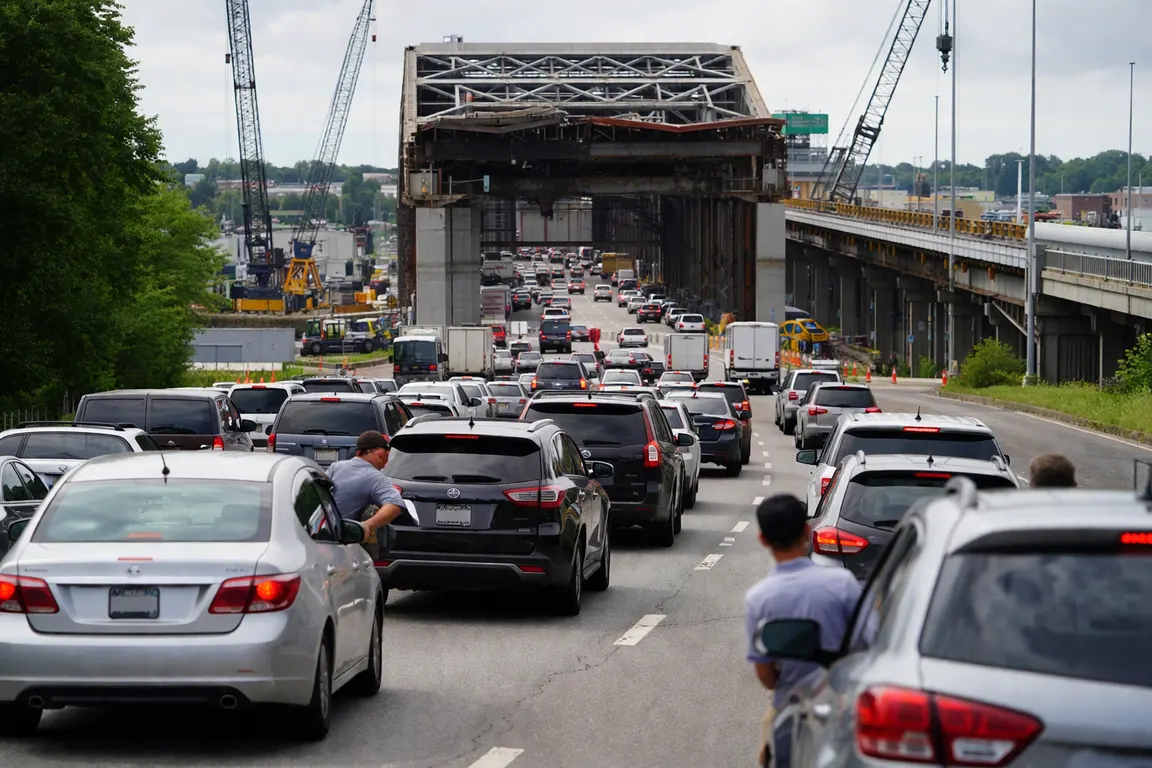
Former CVS executive Helena Foulkes defeated incumbent Governor Dan McKee in the June 18 Democratic primary, a loss analysts attribute to growing frustration over the Washington Bridge delay. The upset ends McKee’s tenure that began in 2021 and marks the first defeat of a sitting Rhode Island governor in nearly a decade.
Voters signaled a demand for tangible progress on aging infrastructure and clearer fiscal stewardship. The Washington Bridge, a key Providence artery, has slipped from its original schedule and is now projected to be completed in 2028, according to the project’s latest estimates. Foulkes centered her campaign on the bridge’s delay, pledging to accelerate the timeline and review the $500 million‑plus financing plan that blends state and federal funds.
McKee entered the race with a sizable spending gap, a point highlighted by NBC News and political analyst Steve Kornacki. Foulkes out‑spent the governor and used the bridge controversy to frame a broader narrative of fiscal accountability. While some outlets cite the bridge as the decisive issue, others note the spending disadvantage and a broader sense of voter discontent with the administration’s budget priorities.
The Washington Bridge project began planning in 2019 and secured funding approvals through 2022. Delays became public in 2022‑2023, prompting criticism of the governor’s oversight. Construction firms and labor unions have watched the timeline closely, aware that any acceleration could reshape contract awards. Daily commuters who rely on the aging span to cross the Seekonk River have faced longer travel times and safety concerns since work stalled.
Foulkes’ victory is likely to reshape the governor’s agenda. Her pledges include a comprehensive review of Rhode Island’s infrastructure financing strategy and a commitment to move the bridge’s completion forward. State officials have not yet detailed how the review will affect the $500 million budget, but an outline is expected within weeks. The shift could also influence other statewide projects, from road resurfacing to public‑transport upgrades, as the new administration balances accelerated bridge work against limited fiscal resources.
The primary outcome has implications beyond Providence. Construction firms that stand to gain from an expedited bridge schedule may see increased demand, while businesses that depend on steady traffic across the bridge could experience short‑term disruptions if work intensifies. Taxpayers could see adjustments in the allocation of state infrastructure funds, though precise budgetary impacts remain uncertain.
As the Democratic nominee prepares to take office, the immediate question for Rhode Island residents is how quickly the bridge timeline can be compressed without jeopardizing safety or inflating costs. State legislators are expected to convene a special session to address the financing review, and the transition team has indicated that infrastructure will be a top priority in the first 100 days of the new administration.