

Venezuela election timeline promised at UN, date not set
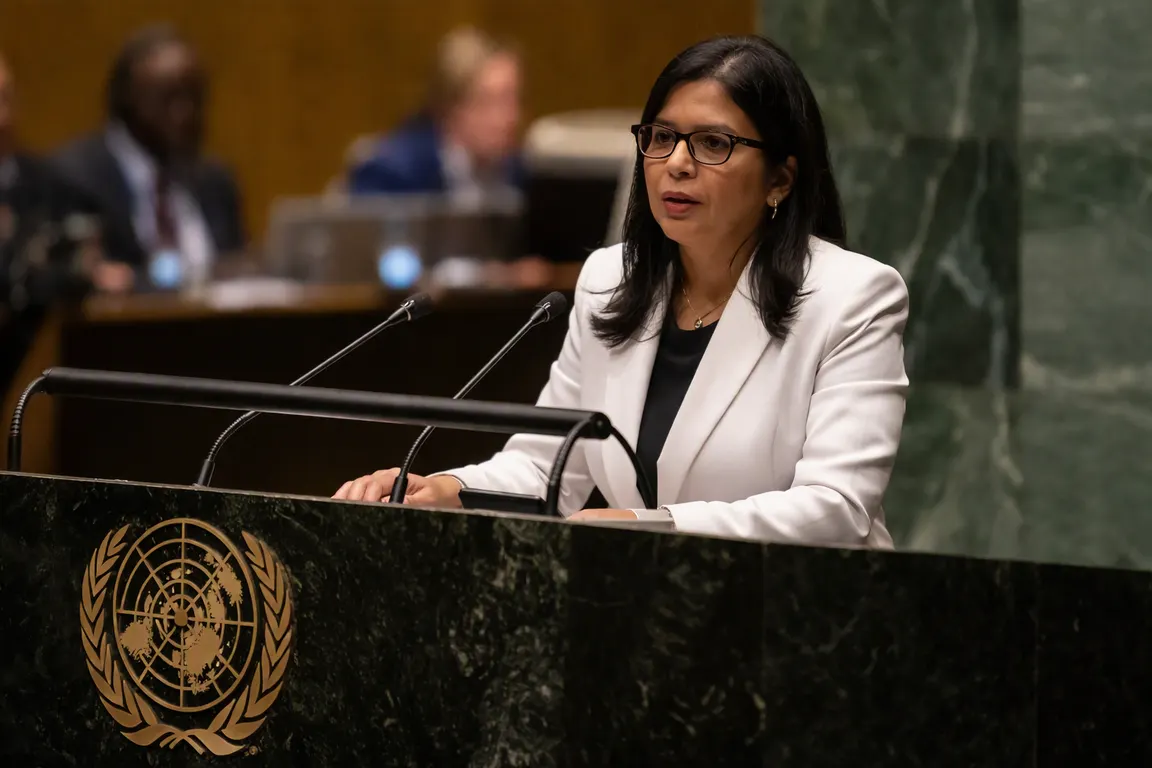
Interim President Delcy Rodríguez told the United Nations General Assembly on Sept. 24 that Venezuela will hold elections, but she did not provide a Venezuela election timeline.
The pledge comes weeks after the United States restored diplomatic ties with Caracas and signed a multi‑billion‑dollar oil agreement that eases several sanctions on Venezuelan crude. Washington hopes the deal will secure a reliable energy source and give it influence over a political transition it helped shape.
Rodríguez, who assumed the interim presidency after a U.S.-backed operation forced longtime leader Nicolás Maduro into exile in January 2024, used the UN podium to thank President Donald Trump for restoring ties and to tout the August 2024 oil deal, which she described as a “mega‑oil” partnership that will boost state revenues and aid economic recovery. It was the first time a Venezuelan leader addressed the General Assembly since Maduro’s appearance in 2018.
During a three‑day visit to New York, Rodríguez met with International Monetary Fund officials and several heads of state, signaling a push for international legitimacy. The speech, however, omitted any reference to a specific election date. Opposition leaders have not publicly responded, leaving unclear how the pledge is being received on the ground, where citizens have endured years of hyperinflation, shortages and political repression.
U.S. officials framed the oil agreement as a step toward “responsible energy cooperation” and said Washington will monitor Venezuela’s political developments. Trump later downplayed expectations for an imminent vote, describing the transition timeline as “flexible.” Analysts note that sanctions relief and new oil revenues give the interim government a narrow window to show progress without ceding power to a potentially hostile opposition.
For Venezuelan voters, the promise of elections without a calendar sustains uncertainty. Without a clear schedule, opposition parties cannot organize campaigns, mobilize supporters or negotiate electoral rules, limiting their leverage in any future talks. The ambiguity also unsettles investors watching the oil deal and the prospect of broader sanctions relief. While the agreement could add Venezuelan supply to global markets and ease oil prices, any perceived backsliding on democratic reforms could trigger renewed restrictions.
International observers, including the European Union and the Organization of American States, have said they are ready to monitor a future vote but warned that credible elections require transparent timelines, independent electoral bodies and guaranteed access for opposition candidates. Diplomats in New York said the next step is for Rodríguez’s government to present a concrete electoral calendar to the UN and to engage opposition representatives in a negotiated framework.
Until those details emerge, the promise of elections remains a political statement. Its impact will be judged by how quickly and transparently the interim administration moves from rhetoric to a verifiable schedule.