

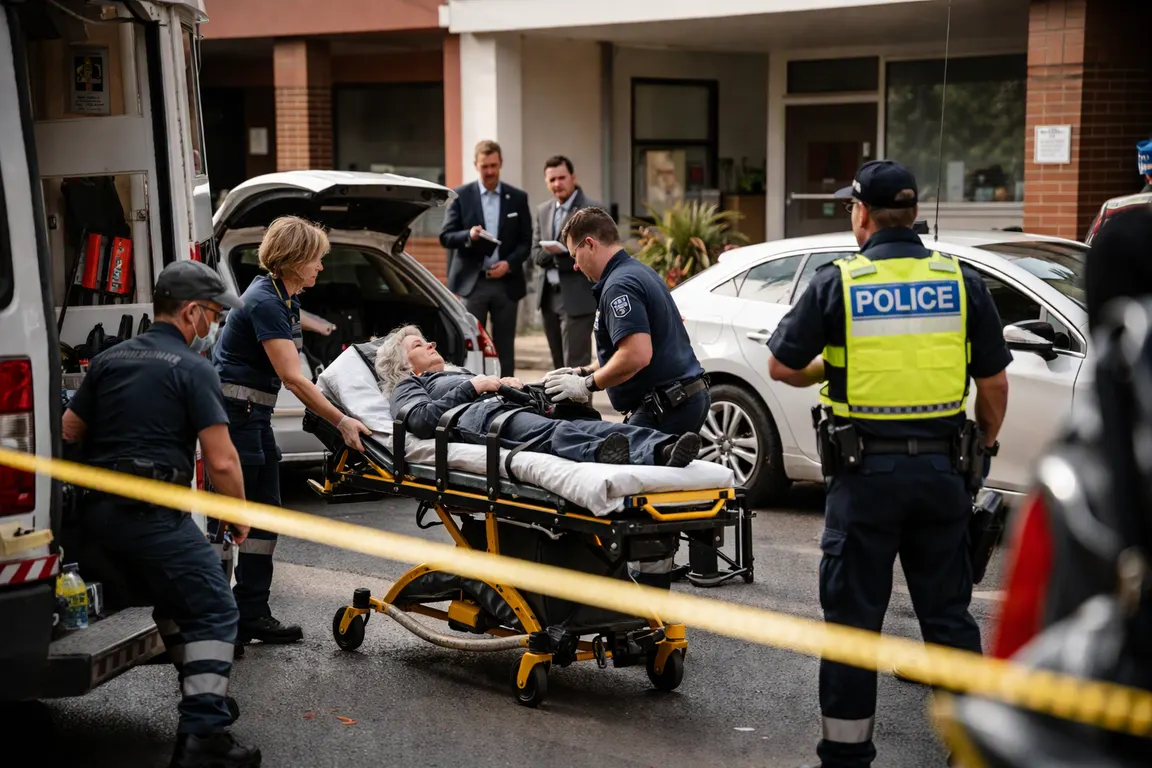
Independent federal MP Helen Haines was critically injured on Monday afternoon when a vehicle deliberately struck her as she was unloading a car outside her electorate office in Wangaratta, Victoria. She was taken to Melbourne’s Alfred Hospital, where she remains in intensive care.
Police say the collision occurred at about 3:35 p.m. Witnesses reported the driver made a sudden U‑turn and accelerated into Haines’s vehicle. The driver, a man known to law‑enforcement, has not been publicly identified and no motive has been disclosed.
Prime Minister Anthony Albanese called the act "purposeful" based on early police observations, but stopped short of labeling it terrorism until a joint federal‑state counter‑terrorism taskforce completes its assessment. The taskforce will coordinate resources, interview witnesses and analyse vehicle‑telemetry data to determine whether the incident meets the legal definition of terrorism.
Earlier that morning Haines had attended the opening of a new dog park in Mansfield, a town in northern Victoria, and spoken with residents about community projects. The sudden shift from a routine outreach event to a life‑threatening attack underscores the risks elected officials face, even in low‑profile settings.
The BBC and the Guardian have both noted a rise in threats and abusive behaviour directed at Australian politicians. While authorities have confirmed the driver is known to police, they have not released details of any prior record.
For constituents in the Indi electorate, Haines’s incapacitation creates an immediate gap in representation. Residents may experience delays in casework and advocacy while the MP recovers, and the incident has reignited debate in Parliament over the adequacy of security protocols for MPs, especially those who travel frequently between regional offices and community events.
Security experts warn that a series of high‑profile attacks could prompt governments to allocate additional funding for personal protection, vehicle hardening and rapid‑response units. Any policy shift, however, will depend on the findings of the counter‑terrorism inquiry and the broader political appetite for reform.
The investigation remains ongoing. Police have not indicated whether charges will be laid, and the taskforce has not set a timetable for concluding its review. As Haines fights for recovery, the case serves as a stark reminder that intimidation of public officials can quickly evolve into a matter of national security, keeping lawmakers and voters alike attentive to the next steps.