

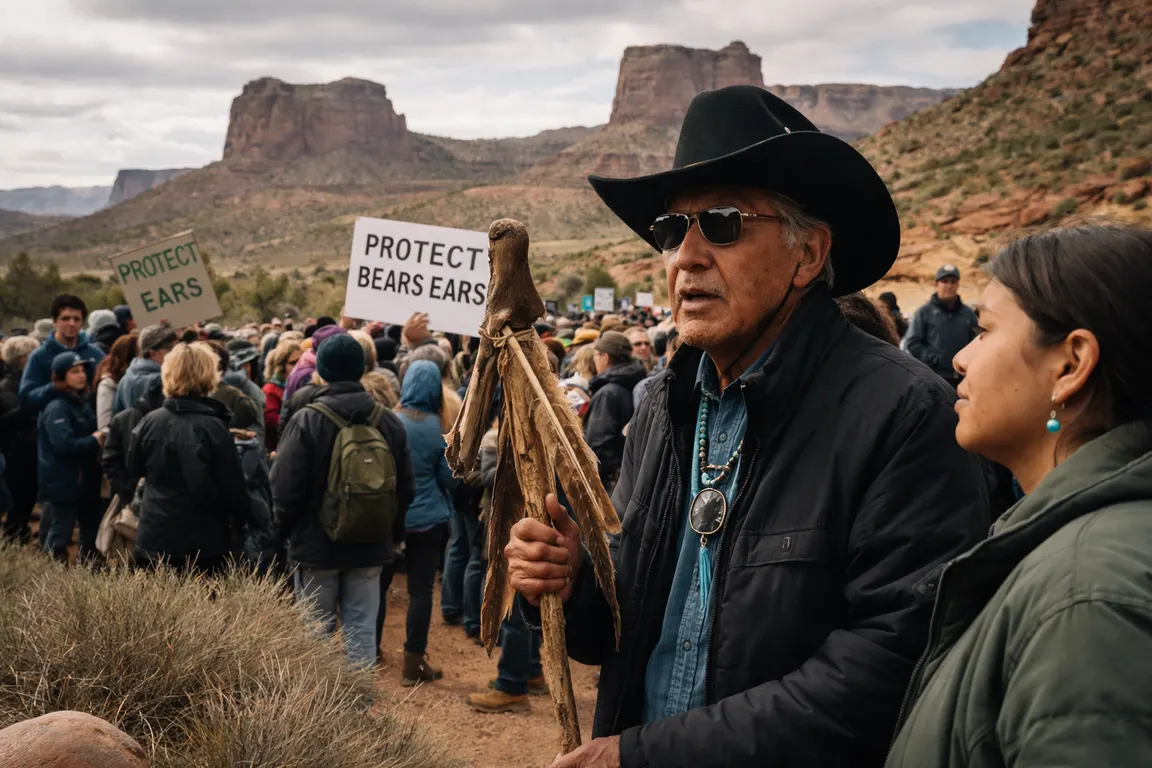
President Trump has signed executive orders to reduce the size of two Utah national monuments, Bears Ears and Grand Staircase-Escalante, by 91% and 90%, respectively. The reduction in size of these Utah monuments could have significant implications for the environment, indigenous communities, and the economy, as it opens up millions of acres of protected land to fossil fuel extraction and mining.
The move has been framed as a correction of federal overreach by Republican officials, but it has sparked controversy and potential legal challenges. Bears Ears National Monument was established in 2016 under President Barack Obama, while Grand Staircase-Escalante National Monument was established in 1996 under President Bill Clinton. The Antiquities Act of 1906 is being cited as the basis for potential legal challenges, with some arguing that only Congress can reduce the size of national monuments, while others claim that the president has the authority to do so.
The decision is the latest in a series of moves by the Trump administration to strip protections for public lands and wildlife, following a rule change to the Endangered Species Act last week. The reduction in size of the national monuments could have significant implications for indigenous communities, the environment, and the economy, particularly in terms of tourism and economic growth in remote regions. Indigenous communities have expressed concern over the potential destruction of cultural sites and the loss of access to traditional lands.
The potential environmental implications are also significant, with the opening up of protected land to fossil fuel extraction and mining potentially leading to pollution and habitat destruction. The economic implications are complex, with some arguing that the reduction in size of the national monuments will lead to job creation and economic growth, while others argue that it will harm the tourism industry and lead to economic decline. As the situation moves forward, the courts will likely play a key role in determining the legality of the president's decision, and the potential consequences for the environment, indigenous communities, and the economy will be closely watched.
The reduction in size of the national monuments has sparked a heated debate, with supporters of the move arguing that it will promote economic growth and job creation, while opponents argue that it will harm the environment and indigenous communities. The outcome of the legal challenges and the impact of the decision on the environment, indigenous communities, and the economy will be closely monitored in the coming months. The Trump administration's decision to reduce the size of the national monuments is a significant development in the ongoing debate over the management of public lands and the balance between economic growth and environmental protection.