

USPS mail-in ballot scanner faces legal and safety concerns
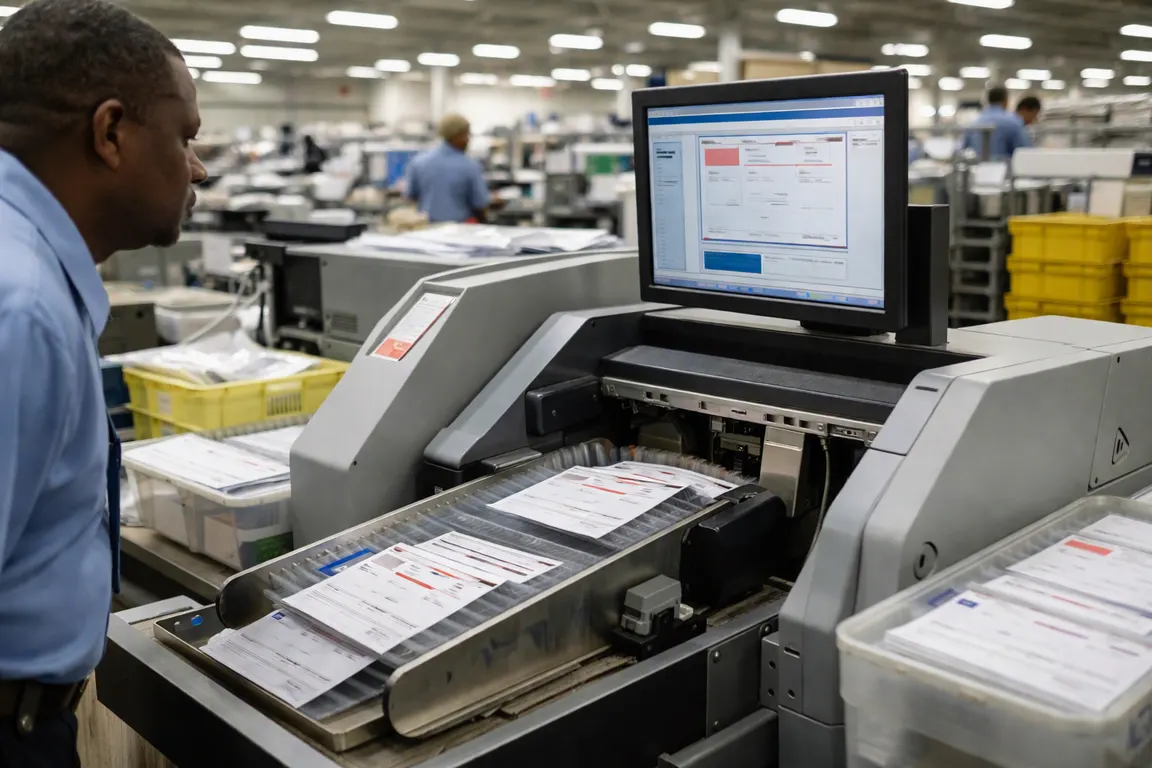
The United States Postal Service is moving forward with a scanning system that could automatically reject mailed ballots, a senior whistleblower told the House Oversight Committee on March 12, 2026. The platform, ordered by former President Donald Trump in a 2023 executive order, has not been fully tested and appears to conflict with existing court orders.
The warning comes as the nation prepares for the November 5, 2026 midterm elections, when millions of voters are expected to rely on mail-in ballots, especially in swing states and among elderly or disabled voters. The whistleblower said a single scanning error could invalidate an entire batch of ballots, potentially discarding millions of votes and undermining confidence in the election process.
The system is designed to scan each incoming ballot, flagging those it deems “suspect” for automatic rejection before they reach local election officials. The executive order directed the USPS to develop a tool capable of rejecting ballots that fail undisclosed criteria. Development accelerated in early 2025, and the agency has continued work despite federal courts blocking key components of the broader voting‑restriction plan tied to the order.
An unnamed senior USPS official, speaking on condition of anonymity, told the committee that the rollout “defies existing court orders” and that the platform has never been tested in a live environment. The official warned that an error in the optical‑character‑recognition process could cause the system to discard entire batches of ballots, a risk that lacks a documented fail‑safe.
Senator Richard Blumenthal, a member of the Senate Judiciary Committee, sent a letter to Postmaster General David C. Steiner on March 12 describing the project as “perilously rushed and potentially unlawful.” The letter referenced the whistleblower’s testimony and urged the USPS to halt deployment until an independent evaluation clears the system of legal conflicts.
Legal challenges remain unsettled. Federal courts have already blocked portions of the Trump‑ordered voting restrictions, but the USPS screening platform itself has not yet faced a definitive ruling. Advocacy groups argue the system may violate the Voting Rights Act and the Constitution’s equal‑protection guarantee, while the USPS maintains it is complying with the executive order and will address legal concerns through normal adjudication.
The impact could be uneven. Rural areas and states with high rates of mail voting may see larger numbers of ballots affected, as could seniors and people with disabilities who rely heavily on postal delivery. Local election offices could be forced to reprocess rejected batches, delaying results and increasing costs.
The USPS has not disclosed which contractor built the platform or the exact specifications of its scanning algorithm. Neither the agency nor the Postmaster General has offered a timeline for a full field test, and no independent audit has been released.
As the November deadline approaches, Congress, the courts and the USPS face mounting pressure to resolve the issue. Lawmakers are expected to introduce legislation requiring a transparent, independent review of the system before any ballots are processed through it. The next House Oversight hearing, scheduled for early July, is likely to focus on the whistleblower’s claims and the agency’s compliance with court orders. Until those questions are answered, the risk of large‑scale ballot loss remains an unresolved threat to the 2026 midterms.